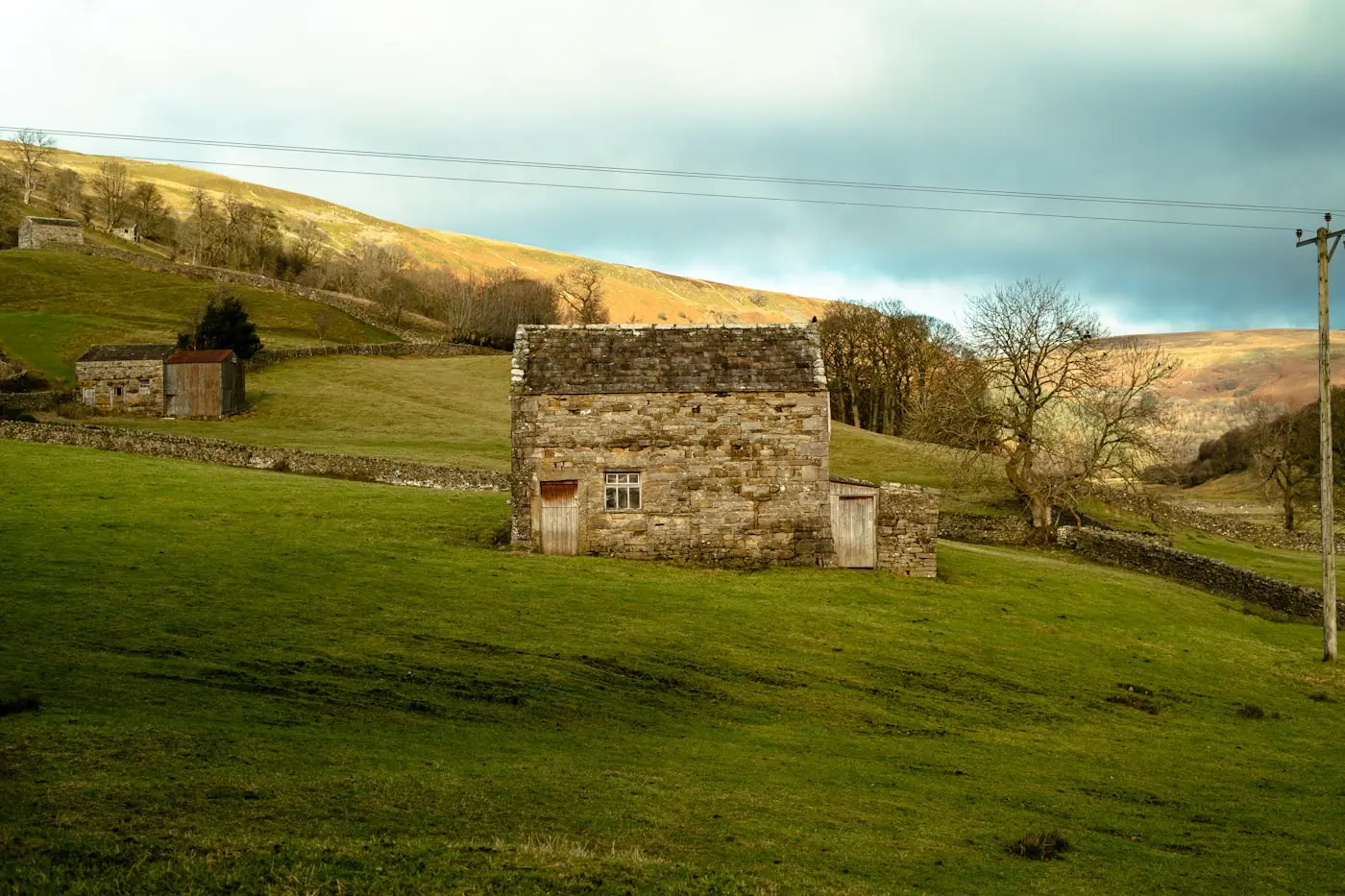
Tickhill is one of those South Yorkshire villages that surprises people who only know the region from a distance. The medieval castle, the market place, the conservation area streets with their stone-faced properties - none of it quite fits the coalfields-and-terraces image that outsiders project onto the whole county. The gardens here reflect that too. Tickhill sits on the Magnesian Limestone belt, and that geological fact shapes everything about your garden: the soil type, what grows well, what problems you are likely to have, and how a good local gardener will approach the work. If you have recently moved here, or you have lived here for years but are only now thinking about bringing in professional help, the limestone soil is the place to start understanding what you are dealing with.
Magnesian Limestone: the soil that makes Tickhill gardens different
The Magnesian Limestone running under Tickhill and the surrounding DN11 villages creates some of the most garden-friendly conditions in South Yorkshire. It is free-draining, slightly alkaline, and warms up quickly in spring - a combination that is genuinely unusual in this part of the county where Coal Measures clay dominates so much of the landscape. The practical result is that Tickhill gardens do not suffer from the waterlogging, compaction, and drainage problems that are the first conversation at almost every other job in South Yorkshire. Your soil does not stay saturated through February and March in the way that coal measures clay does further north around Barnsley or Rotherham.
What that alkaline, free-draining character does instead is create ideal conditions for a specific set of plants. Roses thrive on it. So do beech, yew, and the other formal hedging species that give Tickhill gardens their particular character. If you have a rose bed that has been established for years, the limestone is a significant part of why it performs well. A gardener who understands this will not arrive and recommend adding grit to improve drainage - the drainage is already good. What limestone soil does occasionally need is feeding, because nutrients leach through faster than they would in heavier clay ground.
The flip side of free-draining limestone loam is that your lawn can go dry and thin by midsummer in a poor year. If your grass looks reasonable in April and May but starts to suffer in July, the soil is part of the explanation. The good news is that limestone lawns bounce back quickly once rain returns, and they rarely develop the serious moss and thatch problems that are so common on shaded clay lawns in the colliery towns to the north. For a full overview of what lawn care looks like across South Yorkshire's different soil types, the Yorkshire lawn care guide covers the seasonal cycle in detail.
What gets booked in Tickhill gardens
Tickhill's housing character spans a wide range. The conservation village core has older stone-built and rendered properties with substantial gardens, some of which have been established for generations and contain formal hedging, rose beds, established borders, and structural planting that needs knowledge to maintain properly. Further out, the village has the mix of 1960s through to modern private development that characterises most of the DN11 satellite villages - semi-detached and detached properties with more standard residential gardens. What is less common in Tickhill, compared to the colliery towns, is the small terraced garden. The general property size here is larger.
Formal hedge trimming is probably the most distinctively Tickhill job. Yew, beech, privet, and box hedges are common boundaries and features in the older parts of the village, and unlike leylandii, these are hedges where quality of cut matters. Yew in particular is unforgiving of sloppy shaping - cut it badly and it takes years to recover. A gardener who is confident with formal topiary and box shaping is worth finding and keeping. Ask specifically about this experience before you book someone for the first time, and look at examples of their hedge work if you can. The hedge trimming service page covers what to expect from a professional cut.
Rose bed maintenance is the other work that comes up repeatedly in Tickhill. The limestone soil is well-suited to roses, and many properties have established rose beds that have been in place for decades. Pruning roses correctly - the right cuts, at the right time, to the right depth - is a skilled job that a general maintenance gardener may not have specific experience with. If rose bed care is important to you, ask whether the gardener has done it before and whether they know the pruning schedule for both hybrid teas and shrub roses. Getting this wrong once can mean losing a season of flowering.
Regular fortnightly garden maintenance - mowing, edging, weeding borders, sweeping paths - is the most consistently booked work in Tickhill, and the limestone lawns here are generally easier to maintain than clay lawns. They cut cleanly, they drain well, and they do not produce the kind of thatch buildup that makes autumn maintenance so time-consuming on heavier soils. One-off spring and autumn tidies are popular with households who prefer to manage the garden themselves through summer but want professional help at the transition points of the year.
Tickhill conservation area: check before you cut
If your property sits within Tickhill's conservation area, some works - particularly substantial hedge removal or significant changes to boundary treatments - may require checking with Doncaster Council before you proceed. A good local gardener will flag this if it applies to your garden, but it is worth being aware of when you are planning more than routine maintenance. Most routine trimming and maintenance is unaffected, but if you are thinking about removing a mature hedge entirely, it is worth a quick check.
Garden clearances are booked in Tickhill for two main reasons: properties that have been purchased with neglected gardens, and gardens where an elderly previous occupant could no longer manage the work and growth has accumulated over several seasons. Limestone soil does not tend to produce the compacted, waterlogged mess that makes clearances in coal measures areas so labour-intensive, but an overgrown rose bed or an unpruned boundary hedge is its own kind of work. The garden clearance cost guide gives realistic numbers for what to expect.
Lawn aeration and overseeding does come up in Tickhill, but less frequently than in the clay towns to the north. Where it is needed, it is usually because a shaded area has developed moss - even on limestone, a north-facing strip under an established beech can stay damp enough for moss to take hold. The lawn aeration guide for Yorkshire covers when this treatment is appropriate and what the process involves.
What it costs
Tickhill sits at the higher end of the DN11 rate range. The combination of larger properties, more complex gardens, and the affluent village character means gardeners covering DN11 price accordingly. The full UK gardener cost guide gives the national context; the table below is specific to Tickhill in 2026.
| Rate type | Tickhill DN11, 2026 | Notes |
|---|---|---|
| Hourly rate (maintenance) | £25-£40/hr | Regular contracts at the lower end; specialist or one-off work at the higher end |
| Day rate (7-8 hrs) | £150-£210 | Full working day; larger clearances, restoration, or structural garden projects |
| Fortnightly maintenance visit | £35-£65 per visit | Medium to larger DN11 garden on a regular contract; mowing, edging, borders |
| One-off lawn cut | £30-£55 | Smaller front gardens at the lower end; larger rear plots at the higher end |
| Spring tidy (one-off) | £95-£260 | Depends on plot size; larger established gardens at the top of the range |
| Hedge trimming (yew, beech, formal) | £60-£180 per visit | Formal hedges at the higher end; small boundary privet at the lower end |
| Lawn aeration and overseeding | £80-£200 | Hollow-tine aeration plus seed and top-dressing; depends on lawn area |
For a broader picture of what gardeners charge across the region, the gardener hourly rate guide puts DN11 rates in their national context. Tickhill attracts gardeners from Doncaster, Bawtry, and Maltby who work the limestone belt corridor, and travel time within DN11 is rarely a separate charge for gardeners who cover the area regularly.
How to find a gardener in Tickhill
Word of mouth travels quickly in a village the size of Tickhill. If a garden on your street looks consistently well-maintained, asking who does it is the simplest route to a direct recommendation - and you will get a reference from someone on the same limestone soil in the same microclimate. The Tickhill and DN11 village Facebook groups are a reliable second step. Post asking for recommendations and you will normally have several names within a day.
Gardeners who cover DN11 regularly tend to work the Doncaster-Bawtry-Maltby corridor, and Tickhill sits naturally within that round. You are not trying to persuade someone to make a special trip - it is a straightforward inclusion in an existing route for any gardener already working this part of South Yorkshire. What fills up first is fortnightly regular slots, particularly Fridays and weekday mornings. If you have a preference, name it when you make first contact.
Before committing, confirm public liability insurance (ask for the certificate showing insurer, policy number, cover level, and expiry date), ask about a Waste Carrier's Licence if any material will be removed from site, and specifically ask whether the gardener has experience with the formal hedge species or rose beds you have on your property. The Tickhill town overview gives further local context, and the Doncaster gardeners guide covers the wider catchment area.
For context on what is covered across the South Yorkshire region, the South Yorkshire gardeners guide covers the full area including the differences between limestone belt, coal measures, and Humberhead Levels towns.
Frequently Asked Questions
What garden jobs are typical for Tickhill properties?
Rose bed maintenance and formal hedge trimming (yew, beech, and privet are common in the conservation village streets) are the most distinctively Tickhill work. Regular fortnightly lawn care is the consistent year-round commitment, and spring tidies are popular with households who want seasonal help rather than continuous maintenance. The garden maintenance service page details what a standard ongoing contract covers.
What do gardeners charge in Tickhill?
Expect £25-£40 per hour for regular maintenance, with fortnightly visits for a medium to large garden running £35-£65 per visit. Day rates for larger projects run £175-£300. Tickhill sits at the upper end of South Yorkshire pricing given the property character and garden complexity. The UK gardener cost guide gives the full national comparison.
Is it easy to find a local gardener in Tickhill?
Straightforward, via word of mouth or the DN11 village Facebook groups. Gardeners covering the Doncaster-Bawtry-Maltby corridor include Tickhill naturally in their routes. The key is booking early - February or March for an April start - to secure the slot you want.
When should I book a gardener in Tickhill?
For regular fortnightly maintenance from April, contact in February or early March. Spring tidy: book March for an April slot. Hedge trimming: late May after nesting season, or August. Rose bed pruning is best done in late winter (February for a hard prune) so discuss this with your gardener before the season starts rather than waiting until April.
Related reading
- Gardeners in Doncaster - the main Doncaster area guide
- Gardeners across South Yorkshire
- How much does a gardener cost in the UK? (2026)
- Yorkshire lawn care guide - what to do and when
- Hedge trimming cost guide
- Tickhill town page
- Garden maintenance across Yorkshire
Gardeners in other nearby areas
We cover Tickhill and the surrounding DN11 and South Yorkshire limestone belt:
Get a quote for your Tickhill garden.
60-second assessment. If a local DN11 gardener takes your enquiry, they call you with a price for your specific garden and job.
Start the assessment