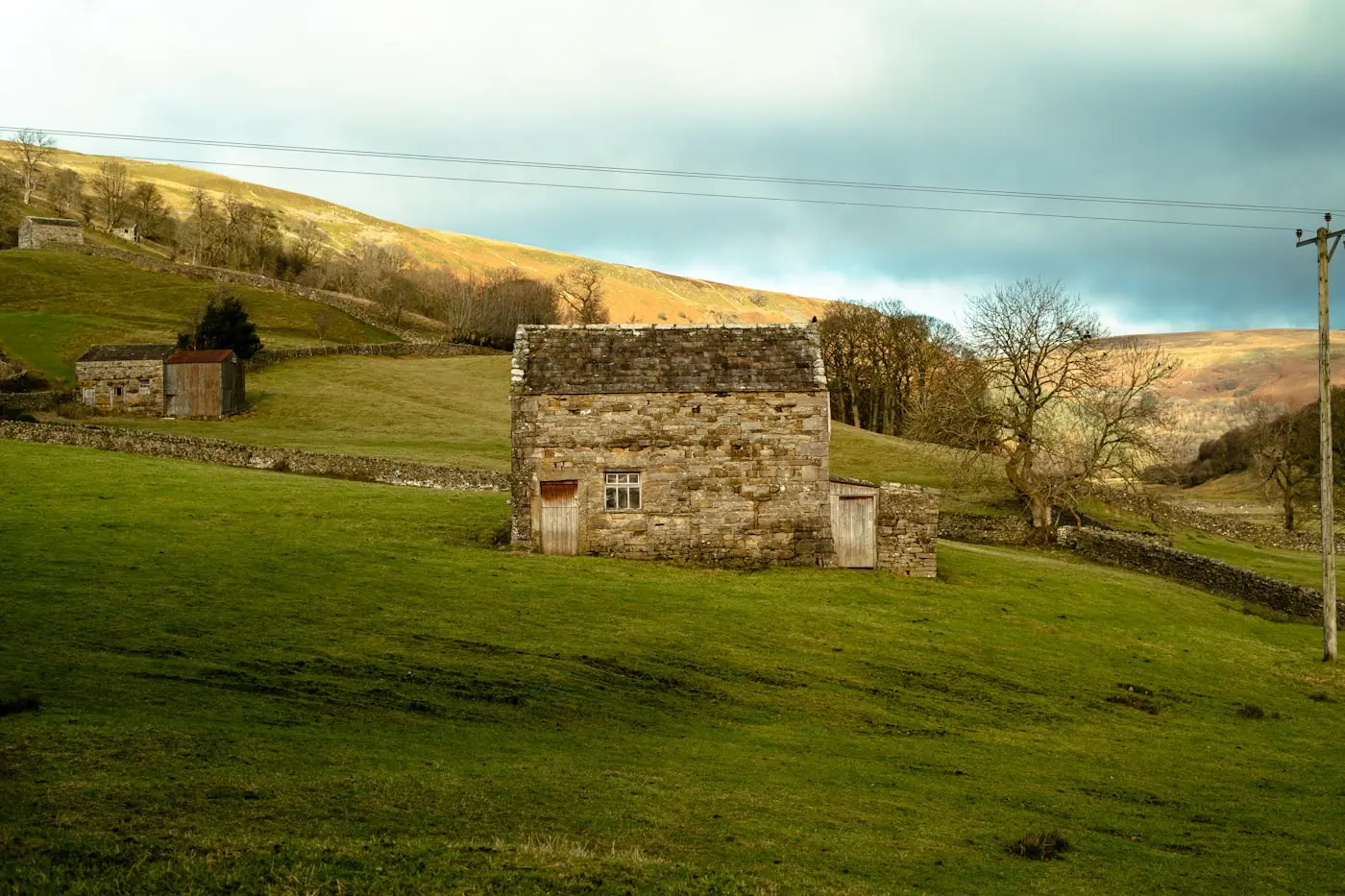
Mexborough is a town that knows its own character. Built around steel, pottery, and the working of the River Don, it has the compact, practical quality of a place where people have always got on with things rather than making a fuss. That same directness is what most homeowners want when they are looking for someone to sort out their garden - a local person who knows the area, turns up when they say they will, and gives an honest price for an honest job. What makes Mexborough gardens interesting from a horticultural standpoint is the soil. The Don Valley flood plain deposits a heavy alluvial clay across the lower parts of the town that is genuinely demanding to work with, and a gardener who does not understand it will give you average results at best.
This guide is written for Mexborough homeowners in S64 - people who have a garden they want to look better, who have perhaps struggled with a lawn that keeps going mossy or borders that the weeds are winning, and who want to understand what is actually going on before they invite someone in to fix it. We will cover the soil conditions that shape almost every garden in Mexborough, the work that makes the most real-world difference, what it costs in 2026, and how to find someone reliable rather than just someone available.
What Kind of Gardens Are in Mexborough?
Mexborough's housing stock spans several eras. The Victorian streets closer to the town centre and the River Don tend to have smaller rear yards with limited natural light - tight plots between back-to-back terraces, often with hard standing that has replaced the original soil at some point. These yards carry the difficult combination of compacted clay, shade from close-built walls, and the moisture that accumulates at the base of a valley. Getting anything other than moss and shade-tolerant weeds to thrive in the most hemmed-in of these yards is genuinely difficult, and the most useful thing a good gardener can do is be honest about what is and is not realistic, then help you design a planting scheme that works with the conditions rather than against them.
The 1920s and 1930s housing that makes up a significant proportion of Mexborough's residential streets represents a more workable gardening proposition. These semi-detached and terrace houses often have decent rear gardens of twelve to twenty metres - big enough for a proper lawn and borders, small enough to manage without heavy machinery. The soil on these plots is typically the Don Valley alluvial clay mixed with decades of garden activity: some improvement from composting and planting, but the clay character is still fundamentally present. These are the gardens where good lawn management makes the most visible difference, and where a programme of annual aeration and scarification produces results homeowners can actually see from one year to the next.
Higher ground toward the Mexborough Montagu Hospital area and the hillside streets above the valley floor gives a somewhat different picture. Gardens here have better natural drainage because the slope carries water away rather than letting it pool. The soil still has the clay character of the Coal Measures geology but without the compounding effect of flood-plain groundwater. Hillside gardens in this part of Mexborough often have more established planting - larger shrubs, more mature borders - and the gardening needs tend to be more about management of what is already there rather than the remedial drainage and lawn renovation work that dominates in the valley bottom.
There is also a newer development fringe around Mexborough where properties on former industrial or brownfield land have gardens that are, in some cases, sitting on fill material rather than natural soil. Builder-grade topsoil spread over compacted fill produces unpredictable growing conditions - areas that drain well next to areas that pool, lawns that establish in some patches and refuse to in others. If your garden is on one of these newer estates and has never performed consistently, the sub-surface composition is a likely factor and worth investigating before spending money on surface renovation alone.
Alluvial clay and the Don Valley groundwater table
The flood-plain position of Mexborough's lower streets means the groundwater table is closer to the surface than on higher ground. In wet winters and springs, this can raise soil moisture levels to the point where grass roots are effectively waterlogged even when the surface looks fine. Hollow-tine aeration in autumn is the most accessible intervention, but for gardens where surface ponding persists for more than 48 hours after heavy rain, a French drain or soakaway assessment is worth getting.
What Gardeners Do in Mexborough
The work requested most consistently in S64 reflects the challenges of Don Valley clay. If you are planning what to ask for and what to budget, these are the jobs that come up most frequently.
Lawn moss treatment and renovation is the dominant request in Mexborough gardens, and it follows logically from the soil conditions. Heavy clay, a low-lying position, naturally acid soil pH, and the damp Don Valley climate combine to produce near-ideal moss growing conditions and near-difficult grass growing conditions. A surface treatment with a lawn sand or iron sulphate moss killer will clear visible moss for a season, but it will be back the following year if nothing is done about the underlying conditions. A proper renovation sequence on a Mexborough lawn means: hollow-tine aeration in early September to relieve compaction and improve drainage, scarification to remove the moss mat and open the soil surface, overseeding with a grass mix appropriate for moist, clay-heavy soil, top-dressing with a grit-amended compost to improve the surface layer's structure, and a lime application if a soil pH test shows the pH is below 6.0. This sequence, done properly and followed by annual maintenance, produces durable improvement. Done superficially and then ignored, the moss returns inside eighteen months. See the lawn overseeding guide for Yorkshire for detail on what a proper renovation programme involves.
Regular garden maintenance on a scheduled fortnightly or monthly basis is what keeps everything manageable. A Mexborough garden on heavy clay that goes unattended through the growing season accumulates problems faster than lighter-soil gardens - weeds root more deeply and are harder to remove, moss thickens more quickly, and couch grass rhizomes spread further through borders with every month they are left unchecked. Garden maintenance on a regular schedule is almost always more cost-effective than periodic emergency clearance. For most S64 households with a working-sized garden, fortnightly visits from May to September and monthly visits in April, October, and November covers the essentials.
Weed control is a significant ongoing task in Mexborough's clay-soil gardens. Weed control in heavy clay is harder than in lighter soils because roots anchor deeply and cleanly hand-pulling often leaves root fragments that regenerate. Couch grass is the most problematic: it spreads by underground rhizomes, interweaves with the roots of border plants, and re-establishes quickly from any fragment left in the ground. Bindweed is also common on disturbed ground along the river corridor. A realistic weed management plan acknowledges that these are multi-season tasks, not single-visit fixes. See the weed control guide for Yorkshire gardens for more on the approach.
Hedge trimming is relevant across a significant proportion of Mexborough's domestic gardens. Privet hedges are particularly common, and many have not been properly reduced or shaped in several seasons. An overgrown privet hedge that has widened at the top shades both the garden below and its own lower stems, weakening the base growth over time. Hedge trimming on a neglected hedge often involves a more significant initial cutback before regular maintenance trimming becomes the annual job. The initial work should be priced accordingly rather than as a standard annual trim.
Garden clearance is regularly needed for overgrown plots, yards being reclaimed from paving, and new-build gardens where the original landscaping has failed. Garden clearance on Mexborough's clay soil is physically demanding work - root systems in dense clay resist being dug out, the soil itself is heavy to move, and access through narrow back lanes to many terrace gardens limits what equipment can be brought in. This reflects appropriately in the price. See the garden clearance guide for Yorkshire for what to expect from a professional clearance visit.
Pressure washing of paths, patios, and paved yards is a common add-on in Mexborough. The damp valley conditions and shaded plots mean algae and moss colonise paved surfaces faster than in drier or more exposed locations. Pressure washing with a follow-up algicide treatment keeps surfaces safe and presentable and is often combined with a clearance or maintenance visit to keep costs down.
Lawn edging is one of those finishing details that transforms how a garden looks with relatively modest effort. On clay soil that can become uneven over time, lawn edging along borders and paths is a consistent part of maintenance visits rather than an occasional extra.
What Does a Gardener Cost in Mexborough?
South Yorkshire rates run slightly below the West Yorkshire average for general maintenance, reflecting the density of provision and the lower travel overhead for gardeners covering compact Dearne Valley towns. The heavy clay soils do make certain jobs - particularly lawn renovation and drainage work - more labour-intensive than the same jobs on lighter ground, and quotes for those jobs should reflect the extra work.
For the full picture on UK gardener pricing, see the how much does a gardener cost guide and the gardener hourly rate UK breakdown.
| Rate type | Mexborough (S64), 2026 | Notes |
|---|---|---|
| Hourly rate (maintenance) | £25-£38/hr | Regular schedule at lower end; one-off visits higher |
| Day rate (7-8 hrs) | £130-£180 | Full working day for clearance or renovation |
| Fortnightly maintenance visit | £38-£65 per visit | Medium garden; includes lawn, borders, edges |
| One-off lawn cut | £28-£50 | Size and condition dependent; overgrown plots higher |
| Lawn renovation (aeration, scarification, overseed) | £100-£220 | Clay soil makes this more labour-intensive than average |
| Hedge trimming (standard domestic) | £40-£90 per visit | Tall or established hedges at the higher end |
| Garden clearance (medium plot) | £180-£380 | Heavy clay or restricted access: up to £650 |
| Pressure washing (patio/path) | £55-£140 | Depends on area; algicide treatment extra |
The clay soil note on lawn renovation is worth emphasising. A gardener who quotes the same price for a Mexborough lawn renovation as they would for a free-draining sandy plot is either very efficient or is skipping steps. A full renovation properly executed on heavy clay - where every pass of the aerator hits resistance and where the compacted surface slows every part of the process - takes longer than on easier soil. If the quote seems unusually low, ask exactly which steps are included.
Finding a Reliable Gardener in Mexborough
Mexborough's community character works in your favour here. This is a town where people know their neighbours and word of mouth travels effectively. A personal recommendation from someone in your street whose garden you have noticed looking consistently tidy is the single strongest signal you can get. The garden next door or two doors down tells you more about a gardener's quality and reliability than any online review.
If you are new to the area or your immediate neighbours manage their own gardens, a local introduction service that connects you to a vetted gardener covering S64 is more reliable than a national platform. National platforms distribute your enquiry to multiple contractors who may have no knowledge of Don Valley clay and no particular commitment to the area beyond what the algorithm sends them. A local gardener who has worked in Mexborough knows that valley-floor gardens drain slowly, knows to recommend hollow-tine aeration before overseeding, and knows that telling you something realistic about your paving in an airless back yard is more useful than selling you a lawn renovation that will struggle without significant soil preparation first.
Before booking, ask six questions:
- Can you show me your public liability insurance certificate - the document, not just confirmation that you have it?
- Do you hold a Waste Carrier's Licence? Anyone removing garden waste from your property needs one.
- Have you worked in S64 before, and specifically with the clay soils in the Don Valley?
- Do you visit and assess before quoting on clearance or renovation work?
- Can you show examples of completed work in Mexborough or the neighbouring towns?
- Does your quote include waste removal, or is that priced separately?
A gardener who answers all six directly and without deflection is worth shortlisting. Vagueness about insurance or dismissiveness about local soil conditions are both signals worth heeding. The how to find a gardener in Yorkshire guide has more on vetting and what to look for.
Seasonal Guide for Mexborough Gardens
The Don Valley has a moderate South Yorkshire climate - frosts into April are possible, summers can be warm, and the valley position provides some shelter from the harshest north and east winds. The clay soil imposes its own seasonal constraints that matter as much as the weather.
Spring (March to May)
Don Valley clay soils warm slowly after winter. The groundwater table in lower Mexborough gardens stays elevated well into March and often April, meaning the soil can look dry at the surface while remaining waterlogged at root level. Avoid heavy work on the lawn or compacting border soil while this condition persists - the damage to soil structure takes months to recover from. March is for planning, border tidying, and light structural work where access does not require crossing a saturated lawn.
April brings the first proper grass growth. Mowing can start from mid-April on most S64 gardens, and fortnightly maintenance visits establish through April and into May. Edges need defining after winter. Weed control on paths and paved areas is effective once soil temperature exceeds ten degrees, which in Mexborough's valley position tends to be late April. Any spring bulb planting missed in autumn can still go in during early April.
May is the month when gardens either look like they are heading somewhere good or start to fall behind. Fortnightly mowing, regular border weeding, and the removal of spring bulb foliage as it dies back are all in play. Tender bedding plants go out from late May once frost risk has passed. Heavy planting or soil improvement work in borders is better done on dry days in May when the clay has partially dried - working wet clay destroys structure and leaves it set hard when it dries. See the clay soil gardening guide for Yorkshire for more on working with this soil type through the seasons.
Summer (June to August)
The mowing season runs through to mid-October. Fortnightly visits are the standard for most Mexborough gardens. Hedge trimming for most domestic hedges - privet especially - is best done in late June or July, once the spring flush has hardened. Hot, dry summers in South Yorkshire's valley towns can arrive in July and August, and the Don Valley clay cracks hard at the surface when it dries out after being wet - a dramatic shift from the waterlogged conditions of spring. Border mulching in late May, before the dry period arrives, is the most effective way of protecting moisture levels through summer without constant watering.
August is the time to book autumn renovation work. September lawn renovation slots in Mexborough and across the Dearne Valley fill faster than many homeowners expect. Making contact in August gives you the best access to available dates and allows the gardener to assess your lawn and prepare a realistic treatment plan before the window opens.
Autumn (September to November)
This is the most important period for lawn health in Mexborough. Hollow-tine aeration in early September, while soil temperature is still above ten degrees, produces the greatest improvement in drainage and root development. Combined with scarification, overseeding, and top-dressing, it transforms a moss-dominated Don Valley lawn over two to three seasons more effectively than any amount of surface treatment. See the garden drainage guide for Yorkshire for detail on what drainage interventions are available at different budget levels.
October brings leaf fall and the final significant mowing of the season. Leaves left on a lawn through the winter months, particularly on the kind of clay soil that stays wet and compacted, create conditions that further suppress grass and encourage moss. Collecting them promptly, composting or bagging them for removal, and giving the lawn a final tidy cut before growth stops are all worth doing. November is for structural pruning, bulb planting, and putting the borders to bed. Autumn garden care in Yorkshire has a full seasonal checklist for this period.
Winter (December to February)
Mexborough gardens in winter need little active intervention but do reward attention to a few things. Check paved areas after frost - algae on clay-area paving combined with freeze-thaw cycles creates slipping hazards that pressure washing can address before the worst of winter arrives. If your lawn aerator worked well in September, you should see better surface drainage this winter than previous years.
February is the time to book your growing season visits. Gardeners covering S64 who are reliable and locally known fill their rounds early. An enquiry in February, when you have time to think and compare, puts you in a better position than chasing someone in April when the garden needs immediate attention and availability is already limited.
The Three Garden Problems That Define Mexborough
Moss dominance in lawns
This is the challenge that comes up in almost every conversation about S64 gardens. The combination of Don Valley alluvial clay, low-lying flood-plain position, naturally acid soil pH, and the shade that terrace walls and close-built housing creates produces conditions where moss genuinely outcompetes grass. Most Mexborough lawns, left without active management, will be predominantly moss within three to four years. The solution is not a surface treatment - it is addressing the underlying conditions. Aeration, pH correction, scarification, and appropriate overseeding, done in sequence and followed up annually, produce lasting improvement. Surface-only moss killers produce a season of improvement and then the same problem again. The clay soil guide explains the soil science behind why this is the case.
Drainage failure on valley-floor plots
Lower-lying Mexborough gardens on the Don flood plain can hold surface water for two to three days after significant rainfall. This is not just an inconvenience - it actively damages grass roots, encourages moss and fungal disease, and makes the garden effectively unusable in wet periods. Surface compaction is one cause and hollow-tine aeration addresses it. Where the problem persists despite aeration, the issue is in the subsoil - a drainage break between clay layers, a raised groundwater table, or a combination of both. The garden drainage guide covers the diagnostic approach and the options at each level of severity.
Couch grass in borders
Couch grass spreads by underground rhizomes and regrows from root fragments - meaning that digging the border over without painstakingly removing every piece of root makes the situation worse rather than better, because it distributes the root network more widely. In Mexborough's clay soil, the rhizomes are harder to trace and remove cleanly than in lighter ground. The realistic approaches are: repeated hand-removal over multiple sessions, accepting that some regrowth will occur and treating it systematically; or targeted application of a systemic herbicide to the foliage during a period when surrounding plants are dormant or protected. Neither is a single-visit fix. See the Yorkshire weed control guide for detail on managing couch grass and other persistent weeds in this soil type.
Frequently Asked Questions
How do I find a reliable gardener in Mexborough?
Word of mouth in your street is the strongest route. A local introduction service that connects you to a vetted gardener covering S64 is the next best option. Ask for public liability insurance, a Waste Carrier's Licence, and specific experience with Don Valley clay soils before booking. See the how to find a gardener in Yorkshire guide for a full vetting checklist.
How much does a gardener in Mexborough charge?
Hourly rates run £25-£38 for general garden maintenance in 2026. Fortnightly visits for a medium garden run £38-£65. Lawn renovation - scarification, aeration, and overseeding - runs £100-£220 depending on lawn size. Day rates for clearance run £175-£300. See the full gardener cost guide for UK-wide pricing context.
What soil do Mexborough gardens have?
Heavy alluvial clay deposited on the Don flood plain, over Carboniferous Coal Measures shale. Low pH, high moisture retention, prone to compaction and surface cracking in dry summers. Higher ground toward the hospital area has better drainage but retains the same clay character. The clay soil guide covers how to manage this soil type through the seasons.
Why does my Mexborough lawn hold water after rain?
Dense alluvial clay and a shallow groundwater table in lower parts of town combine to slow drainage significantly. Hollow-tine aeration in early September is the most effective annual intervention. Persistent ponding that does not clear within 48 hours of rain points to a subsoil issue needing drainage work.
When is the best time for lawn renovation in Mexborough?
September and early October. Soil temperature still supports seed establishment, aeration works through winter, and grass roots are well developed before the following spring's moss pressure returns. Book in August - September slots fill quickly across the Dearne Valley.
Can I get a garden clearance in Mexborough?
Yes. Garden clearance runs £180-£380 for a standard medium garden. Heavily overgrown plots, clay-rooted couch grass, or limited access through terrace back lanes add to the cost - allow up to £650 for a two-person team on a demanding site. Get a fixed quote after an in-person visit, not an hourly estimate.
What garden problems are most common in Mexborough?
Moss dominance in lawns, drainage failure on lower plots, and couch grass in borders. All three are driven by the Don Valley's heavy clay soil and flood-plain position. All three reward consistent seasonal management over single-visit treatment. The weed control guide and the drainage guide cover the technical approaches to the last two.
Do Mexborough gardeners cover Swinton, Kilnhurst, and Conisbrough?
Most gardeners covering Mexborough also work in Swinton, Kilnhurst, Conisbrough, and the wider S64 and S63 postcodes. Give your full postcode when enquiring to confirm coverage. The soil conditions across this stretch of the Don Valley are consistent enough that experience in one town transfers directly to the others.
What is the best grass seed for a Mexborough garden?
For Mexborough's heavy clay and frequently shaded or damp conditions, a grass mix that includes fine fescues and perennial ryegrass tolerant of wet soil is most appropriate. Avoid high-maintenance bentgrass mixes suited to free-draining soils - they struggle on Don Valley clay. A shade-tolerant fescue mix works well for gardens with walls or adjacent buildings limiting light. Your gardener should select the seed blend based on a site assessment rather than using a generic all-purpose mix.
Related reading
- How much does a gardener cost in the UK? (2026 prices)
- Gardener hourly rate UK
- Gardening on clay soil in Yorkshire
- Garden drainage in Yorkshire
- Weed control in Yorkshire gardens
- Lawn overseeding in Yorkshire
- Garden clearance near me - Yorkshire
- Autumn garden care in Yorkshire
- Garden maintenance across Yorkshire
- Garden clearance across Yorkshire
Gardeners in other Dearne Valley and South Yorkshire areas
We cover S64 and the surrounding towns. If you have identified what may be Japanese knotweed in your garden, read the removal guide before booking any clearance work - it requires specialist handling. For gardeners in Swinton and gardeners in Wath-upon-Dearne, we cover the same Don Valley ground.
Find a gardener in Mexborough.
Tell us what you need and we put your enquiry in front of a local gardener covering S64. No call centres, no national franchise - one local gardener, direct contact.
Get a free assessment