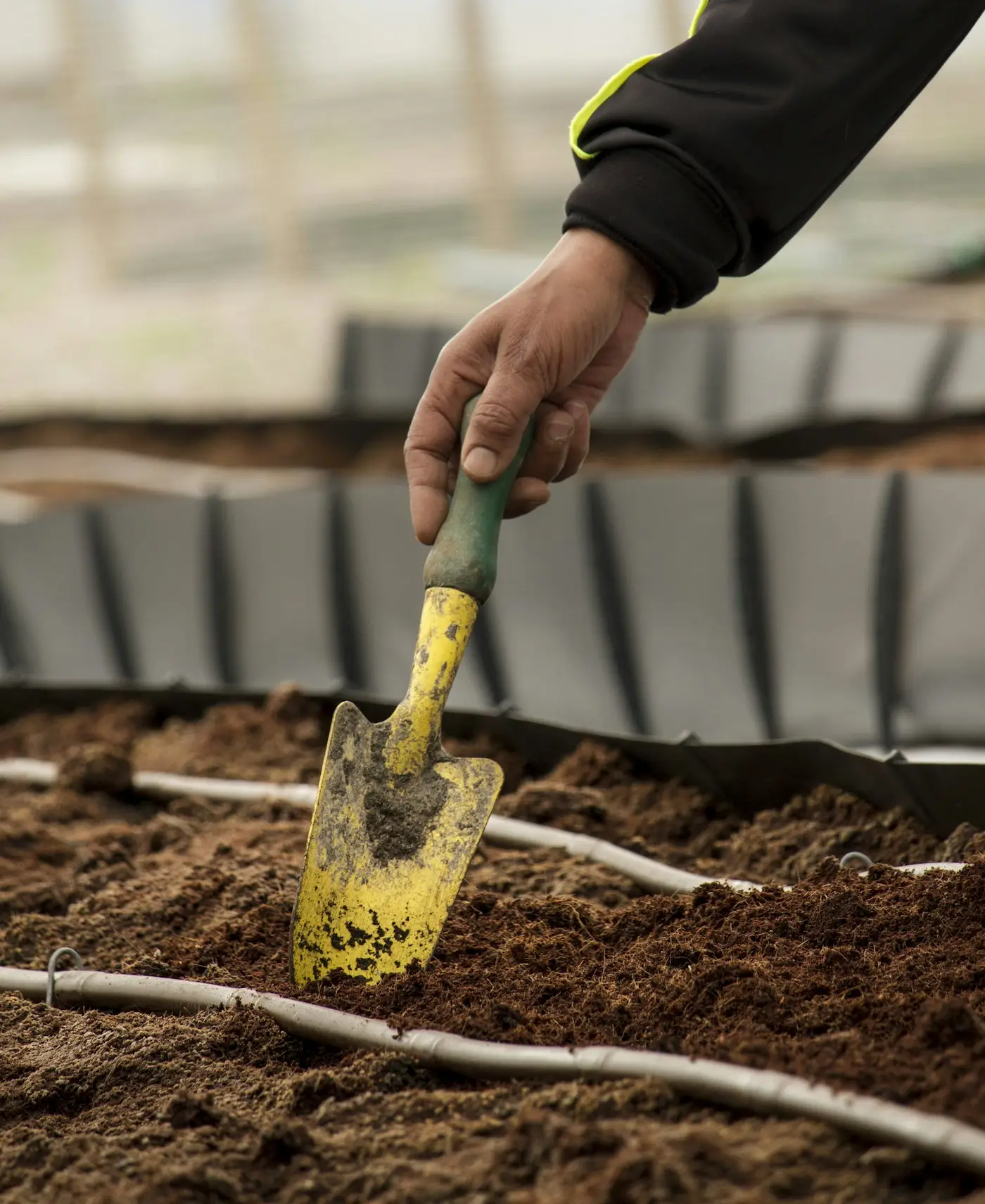
Wombwell is a town that takes its gardens seriously. The proportion of long-established owner-occupiers in S73 is high, and anyone who has walked the residential streets around Wombwell Wood Road, Park Street, or the Brampton Road areas knows that people here do care what their homes and gardens look like. That community pride is one reason why finding a genuinely good gardener in Wombwell through recommendation is so effective - there are enough people paying attention that the quality of work becomes visible quickly, and the word on who is reliable and who is not spreads accordingly.
What makes Wombwell gardens genuinely challenging from a horticultural standpoint is the soil beneath them. The Dearne Valley's Carboniferous Coal Measures geology produces a heavy shale-derived clay that holds water, compacts under use, and sits at a naturally acid pH. In the lower-lying parts of town near the river, the valley-floor position compounds the drainage difficulty further. The result is that moss dominates Wombwell lawns far more readily than homeowners expect, and border weeds root more deeply and are harder to remove than in lighter-soil gardens. Understanding this before you invite someone to fix it means you can have a realistic conversation about what is achievable and over what timescale.
What Kind of Gardens Are in Wombwell?
Wombwell's housing is a mix shaped by its industrial history. The older terraces and semis from the late Victorian and Edwardian period occupy the town centre and the streets closest to the former colliery land to the north. These properties typically have smaller rear gardens - compact plots that, in many cases, have been partially paved at some point in the last thirty years as successive homeowners made their peace with the difficulty of maintaining grass on heavy clay in an enclosed yard. Where the soil is still open, it is dense, acid clay that has been worked and compacted by generations of foot traffic and limited organic matter improvement.
The interwar and post-war semis that make up the larger portion of Wombwell's residential streets represent a more gardening-friendly proposition. These are properties with gardens of a reasonable working size: enough lawn to mow, enough borders to plant, and enough depth to keep a vegetable patch or fruit trees. The soil conditions are still defined by Coal Measures clay, but the larger, more open plots have had better air circulation and, in gardens that have been consistently worked, more accumulated organic matter from compost and planting. These are the gardens where a programme of annual lawn care and consistent maintenance produces the most visible, satisfying improvement over one to two seasons.
On the northern side of Wombwell, where the former Wombwell Main Colliery left a substantial area of reclaimed land now used as the Dearne Valley greenway and open space, some residential plots on the edges of this area sit on or adjacent to former industrial ground. The sub-surface conditions on these plots can be variable - thin topsoil over compacted fill is not unusual - and gardens here sometimes have persistent problems establishing grass or keeping border plants healthy that point to a sub-surface issue rather than anything going wrong at the surface. A soil test is the sensible first step for any garden on the edge of former colliery land that has always been difficult to manage.
Brampton, just to the north of Wombwell, shares the same general soil character and garden conditions, and most gardeners covering S73 also work in Brampton and across to Darfield and Hoyland. The soil in this corridor is consistent enough that a gardener who knows Wombwell clay well is immediately useful in any of the adjacent communities.
The Dearne Valley drainage gradient
Wombwell's position on the River Dearne means gardens closer to the valley floor drain more slowly than those on higher ground. The difference can be significant: a garden on Church Street or near the river can hold surface water for two to three days after heavy rain, while a garden on the higher ground toward Wombwell Wood Road may drain the same rain in a few hours on the same soil type. If your garden is on low ground and drainage is a persistent problem, the solution may require sub-surface drainage work rather than surface aeration alone. See the garden drainage guide for Yorkshire for a full diagnostic approach.
What Gardeners Do in Wombwell
The work that comes up most consistently across S73 reflects the Dearne Valley soil conditions and the practical needs of a predominantly residential, owner-occupier community. These are the jobs gardeners cover most frequently in Wombwell.
Lawn moss treatment and renovation is the most commonly requested work in Wombwell, and it follows directly from the soil. Heavy clay, low pH, poor drainage, and the modest shade that residential buildings create produce conditions where moss consistently outcompetes grass on untreated lawns. Wombwell lawns left without annual renovation intervention will typically be sixty to seventy percent moss within three seasons. The effective treatment is not a surface moss killer - it is a renovation sequence that addresses the underlying conditions. Hollow-tine aeration in early September relieves compaction and improves drainage; scarification removes the established moss mat; overseeding with a moisture-tolerant grass mix introduces appropriate grass varieties; top-dressing with grit-amended compost improves surface structure; and lime application raises the pH if soil testing shows it is below 6.0. This sequence, repeated annually in the first two years and then maintained with lighter aeration thereafter, produces lasting improvement. See the lawn overseeding guide for Yorkshire for the full programme detail.
Regular garden maintenance is what prevents the garden from accumulating a backlog that becomes a clearance job. On Dearne Valley clay, a garden that falls behind through summer accumulates problems faster than it would on lighter soil - weeds root more firmly, moss thickens, and couch grass rhizomes spread further with each month they are left undisturbed. Garden maintenance on a fortnightly schedule from April through to October, with monthly visits in April and the autumn shoulder months, keeps most Wombwell gardens manageable without periodic emergency intervention. For a working household, the value of regular maintenance is not just the garden itself - it is not having to spend a whole weekend on a garden that should have been manageable in an hour.
Weed control in Wombwell's clay soils is more persistent work than in lighter-soil gardens. Weed control in heavy clay requires patience: roots grip the soil firmly and hand-pulling in damp clay often brings out a frustratingly small proportion of the total root system. Couch grass is the most problematic weed in Wombwell's borders - it spreads by rhizome, interweaves with legitimate border plants, and regrows from any fragment left in the soil. Bindweed is common on ground near former colliery land. A realistic weed management plan spans multiple seasons. See the Yorkshire weed control guide for the approach to each weed type in this soil.
Hedge trimming is significant across Wombwell's older residential streets. Many properties have established privet or hawthorn boundary hedges that have been in place for fifty to seventy years. Hedges that have widened significantly at the top shade the garden below and weaken their own lower growth. Hedge trimming after a period of neglect requires a more substantial initial reduction than a standard annual trim, and the price for that initial work should reflect the extra effort. Once the hedge is back to a manageable size, annual trimming is straightforward and affordable.
Garden clearance is regularly needed on properties in Wombwell where the garden has been left for one or more seasons, where a new owner has inherited a backlog, or where the original garden structure has broken down and needs resetting. Garden clearance on Dearne Valley clay is heavy physical work - roots resist extraction, the soil is dense and difficult to move, and access through narrow terrace gates or tight estate passages limits equipment. The garden clearance guide for Yorkshire covers what to expect from a professional clearance visit and how to scope the job before committing to a price.
Pressure washing is a common addition to maintenance and clearance visits in Wombwell's damp clay-soil gardens. Horizontal surfaces - paths, patios, drives - green up with algae and moss faster than in drier areas. Pressure washing with an algicide application keeps them safe and presentable through the year. Lawn edging is another detail that consistently improves the finished appearance of a maintained garden - on clay soil that shifts seasonally, edges need redefining more regularly than in stable, sandy-loam gardens.
What Does a Gardener Cost in Wombwell?
Wombwell rates are consistent with the wider South Yorkshire pattern - slightly below West Yorkshire rates for general maintenance, with renovation and drainage work reflecting the extra effort that heavy Dearne Valley clay requires. The compact residential character of S73 means gardeners covering the area work efficiently between visits, which helps keep routine maintenance costs reasonable.
For the full picture on UK gardener pricing, see the how much does a gardener cost guide and the gardener hourly rate UK breakdown.
| Rate type | Wombwell (S73), 2026 | Notes |
|---|---|---|
| Hourly rate (maintenance) | £25-£38/hr | Regular schedule at lower end; one-off visits higher |
| Day rate (7-8 hrs) | £130-£180 | Full working day for clearance or renovation |
| Fortnightly maintenance visit | £38-£65 per visit | Medium garden; lawn, borders, edges included |
| One-off lawn cut | £28-£50 | Size and condition dependent; overgrown plots higher |
| Lawn renovation (aeration, scarification, overseed) | £100-£220 | Clay soil adds to labour time at each stage |
| Hedge trimming (standard domestic) | £40-£90 per visit | Long-established estate hedges at higher end |
| Garden clearance (medium plot) | £180-£380 | Dense clay, restricted access: up to £650 |
| Pressure washing (patio/path) | £55-£140 | Depends on area; algicide treatment extra |
Finding a Reliable Gardener in Wombwell
In a town with Wombwell's community character, the personal recommendation route is genuinely the most effective. The high proportion of long-established owner-occupiers means word travels on who is reliable and who is not. A gardener who has been working the same residential streets in S73 for several seasons will be known by their clients' neighbours, and that visibility is accountability that national app platforms simply do not provide.
If personal recommendation is not immediately available to you, a local introduction service that has local gardeners covering Wombwell is the next step. This differs from national platforms in a specific way: a local service has a direct interest in the quality of the match because they are known locally and reputation matters. A national platform has an interest in transaction volume. The difference shows in the quality of what gets sent your way.
When you make contact with a prospective gardener, ask these questions before committing:
- Can you show me your public liability insurance certificate - not just confirm you have it?
- Do you hold a current Waste Carrier's Licence for removing garden waste?
- Have you worked with the clay soils of the Dearne Valley or the wider S73 postcode area?
- Do you visit and assess before quoting for clearance or renovation work?
- Can you provide examples of work in Wombwell or the neighbouring towns?
- Is waste removal included in your clearance quote or priced separately?
All six answered directly and without deflection is the baseline for shortlisting. Vagueness about insurance or dismissal of questions about local soil conditions are signals worth heeding before you book anyone. See the how to find a gardener in Yorkshire guide for more on this process.
Seasonal Guide for Wombwell Gardens
Wombwell's inland South Yorkshire climate is moderate - frost risk into April, warm summers, and a growing season that extends usefully into October. The Dearne Valley clay imposes its own additional seasonal pattern on top of the weather, and understanding both helps set realistic expectations for each phase of the year.
Spring (March to May)
March and early April in Wombwell are the months when the clay soil is at its most difficult. Winter moisture has saturated it, the groundwater table on lower plots is elevated, and working the lawn or borders on saturated clay causes compaction damage that takes months to reverse. Border tidying and structural pruning can happen from late March, but hold off on any lawn work or heavy soil activity until the ground has partially drained and firmed - typically mid to late April on most S73 gardens, later on valley-floor plots.
Fortnightly mowing typically begins in mid-April in Wombwell and establishes through May. Edges need redefining after winter. Weed control treatment on paths is most effective once soil temperature is consistently above ten degrees, which in this part of South Yorkshire tends to arrive in late April. Border planting and soil improvement in May, on a dry or partially dry day when clay is workable rather than waterlogged, is more effective than rushed spring planting on wet ground.
May is when the season opens fully. Tender bedding goes out in late May. Border perennials and shrubs can be planted through the month. Any major soil improvement work - adding compost, grit, and organic matter to borders before summer planting - is best done in May when the clay is workable but before the summer heat locks in. See the clay soil guide for Yorkshire for detail on improving Dearne Valley clay through organic matter addition.
Summer (June to August)
The main mowing season runs at fortnightly intervals through June, July, and August. Hedge trimming for privet and hawthorn in Wombwell's residential gardens is best done in late June, with a light secondary trim in September if needed. South Yorkshire summers can be warm and at times dry - the Clay Measures clay that holds water in spring can crack hard in a dry July, and border mulching in late May significantly extends the period before supplementary watering is needed. In hot, dry summers, raise the mowing height slightly to reduce stress on grass already struggling in the clay soil - scalping stressed clay-soil lawns in July leads to bare patches that moss colonises quickly in autumn.
August is the time to book autumn renovation. September lawn renovation across S73 fills faster than the diary suggests in summer - homeowners who intend to sort the lawn in autumn often leave the booking until September and find the best slots are taken. Making contact in August gives you the best access to dates and gives the gardener time to assess the lawn before committing to a treatment plan.
Autumn (September to November)
September is the most consequential gardening month in Wombwell. Hollow-tine aeration while soil temperature is above ten degrees, combined with scarification, overseeding, and top-dressing, is the intervention that produces durable lawn improvement on Dearne Valley clay. The autumn garden care guide for Yorkshire covers the full seasonal checklist for this period, including timing for bulb planting, hedge trimming, and structural pruning.
October is for leaf clearance, final mowing, and garden tidying before winter. Leaves on a clay lawn in winter create conditions that compound existing moss pressure. Collecting them promptly and composting or removing them, then giving the lawn a final tidy cut, leaves the garden in the best possible state for the dormant season. If drainage was a problem this year, October is the time to investigate solutions before the next wet winter arrives. The garden drainage guide is the starting point.
November is for bulb planting, structural pruning, and any fencing or path repairs before the ground freezes. Garden clearance of spent border material in November, rather than leaving it until spring, significantly reduces the slug and pest habitat over winter and gives a cleaner starting position in March.
Winter (December to February)
Little active gardening in most Wombwell gardens through December and January, though February is the time to start planning and booking. Reliable gardeners covering S73 fill their schedules from early in the year. An enquiry in February, when you have time and can make a considered decision, is better than chasing someone in April when availability is already stretched and the garden needs attention immediately.
The Three Garden Problems That Define Wombwell
Moss dominance in lawns
This is the defining challenge for Wombwell homeowners with lawns. The Coal Measures clay, low pH, valley moisture, and the modest shade from residential buildings create conditions where moss naturally dominates grass. Wombwell lawns left without annual renovation management will typically be majority moss within three seasons. The correct intervention is not faster mowing or more frequent surface treatment - it is addressing the conditions that allow moss to outperform grass: aeration for compaction and drainage, scarification to remove the established mat, lime for pH, and appropriate overseeding. Done in September and maintained annually, this produces real improvement. Done once and then ignored, the same conditions reassert themselves within two seasons. The clay soil guide explains the soil science behind why moss wins in these conditions and what soil improvement over multiple seasons looks like.
Couch grass in borders
Couch grass is the persistent border problem in Wombwell gardens. It spreads by underground rhizomes - so digging the border without systematically removing every piece of root actively makes the situation worse by distributing fragments more widely. In the dense Dearne Valley clay, tracing and removing root systems cleanly is difficult and time-consuming. The realistic approach is multi-season: either patient systematic hand removal over several growing seasons, accepting that regrowth from missed fragments will occur and treating it each time; or targeted systemic herbicide application during a period when surrounding plants are dormant or can be protected. Neither approach produces complete clearance in one visit. Any gardener who says otherwise is either working a miracle or overpromising. See the weed control guide for a realistic approach to couch grass management on heavy clay.
Drainage failure on valley-floor plots
Lower-lying Wombwell gardens, particularly those on the flat ground toward the Dearne, can hold surface water for days after significant rainfall. This weakens grass roots, encourages moss and fungal disease in borders, and makes those parts of the garden effectively unusable in wet spells. Where the problem is surface compaction, hollow-tine aeration over two to three autumns will produce meaningful improvement. Where it persists despite aeration, the problem is in the subsoil - a drainage break between clay layers, a raised groundwater table, or both - and sub-surface drainage work is needed. The drainage guide covers the diagnostic approach and the range of interventions from surface treatment to French drains.
Frequently Asked Questions
How do I find a reliable gardener in Wombwell?
Personal recommendation in your neighbourhood is the strongest route in a community like Wombwell. A local introduction service connecting you to a local gardener covering S73 is the next best option. Ask for public liability insurance, a Waste Carrier's Licence, and specific experience with Dearne Valley clay soils. See the how to find a gardener in Yorkshire guide for the full checklist.
How much does a gardener in Wombwell charge?
Hourly rates run £25-£38 for general garden maintenance in 2026. Fortnightly visits for a medium S73 garden run £38-£65. Lawn renovation runs £100-£220 depending on lawn size and condition. Day rates for clearance run £175-£300. See the full UK gardener cost guide for context.
What soil do Wombwell gardens have?
Carboniferous Coal Measures shale-derived clay, with an additional alluvial clay element in lower valley plots near the Dearne. Heavy, slow-draining, acid pH, prone to compaction. The clay soil guide for Yorkshire covers how to work with this soil type through the seasons.
Why is my Wombwell lawn covered in moss?
Clay soil, acid pH, damp valley conditions, and residential shade combine to favour moss over grass. Surface moss killers produce temporary results. A full September renovation - aeration, scarification, overseeding, and lime application - produces durable improvement. The overseeding guide covers the process.
When is the best time for lawn renovation in Wombwell?
September and early October. Soil temperature supports seed establishment, drainage improvement works through winter, and grass has time to root before spring. Book in August - September slots fill fast across S73 and the surrounding area.
Can I get a garden clearance in Wombwell?
Yes. Garden clearance runs £180-£380 for a standard medium S73 garden. Dense clay, restricted access through terrace gates, or high volumes of established couch grass root can take this to £650 for a two-person team. Get a fixed quote after an in-person visit rather than an hourly rate on an unknown site.
What garden problems are most common in Wombwell?
Moss in lawns, couch grass in borders, and slow drainage on lower plots. All three driven by the Dearne Valley clay and valley-floor position. All three reward consistent management over single-visit treatment. The weed control guide and drainage guide cover the technical approaches.
Do Wombwell gardeners cover Brampton, Darfield, and Hoyland?
Most gardeners covering Wombwell also work in Brampton, Darfield, Hoyland, and Wath-upon-Dearne. Give your full postcode when enquiring to confirm coverage. The soil conditions across this part of the Dearne Valley are consistent, so a gardener experienced in Wombwell clay is immediately useful in the neighbouring communities.
Are Wombwell gardens affected by the Wombwell Main Colliery reclamation?
The reclaimed land to the north of town, the former site of Wombwell Main Colliery, is now largely in use as open space and the Dearne Valley greenway rather than residential gardens. However, some properties on the edges of the reclaimed area, and on streets built on or near former industrial land, may have gardens with variable sub-surface conditions: compacted fill, chemical legacy from former industrial use, or thin topsoil over disturbed ground. If your garden has always been difficult to establish, a soil test is a sensible starting point.
Related reading
- How much does a gardener cost in the UK? (2026 prices)
- Gardener hourly rate UK
- Gardening on clay soil in Yorkshire
- Lawn overseeding in Yorkshire
- Weed control in Yorkshire gardens
- Garden drainage in Yorkshire
- Garden clearance near me - Yorkshire
- Autumn garden care in Yorkshire
- Garden maintenance across Yorkshire
- Garden clearance across Yorkshire
Gardeners in other Dearne Valley and Barnsley areas
We cover Wombwell and the surrounding S73 area. If you have spotted what might be Japanese knotweed on your plot or boundary, read the removal guide before any digging - it is a legal obligation to handle it correctly.
Find a gardener in Wombwell.
Tell us what you need and we put your enquiry in front of a local gardener covering S73. No call centres, no national franchise - one local gardener, direct contact.
Get a free assessment