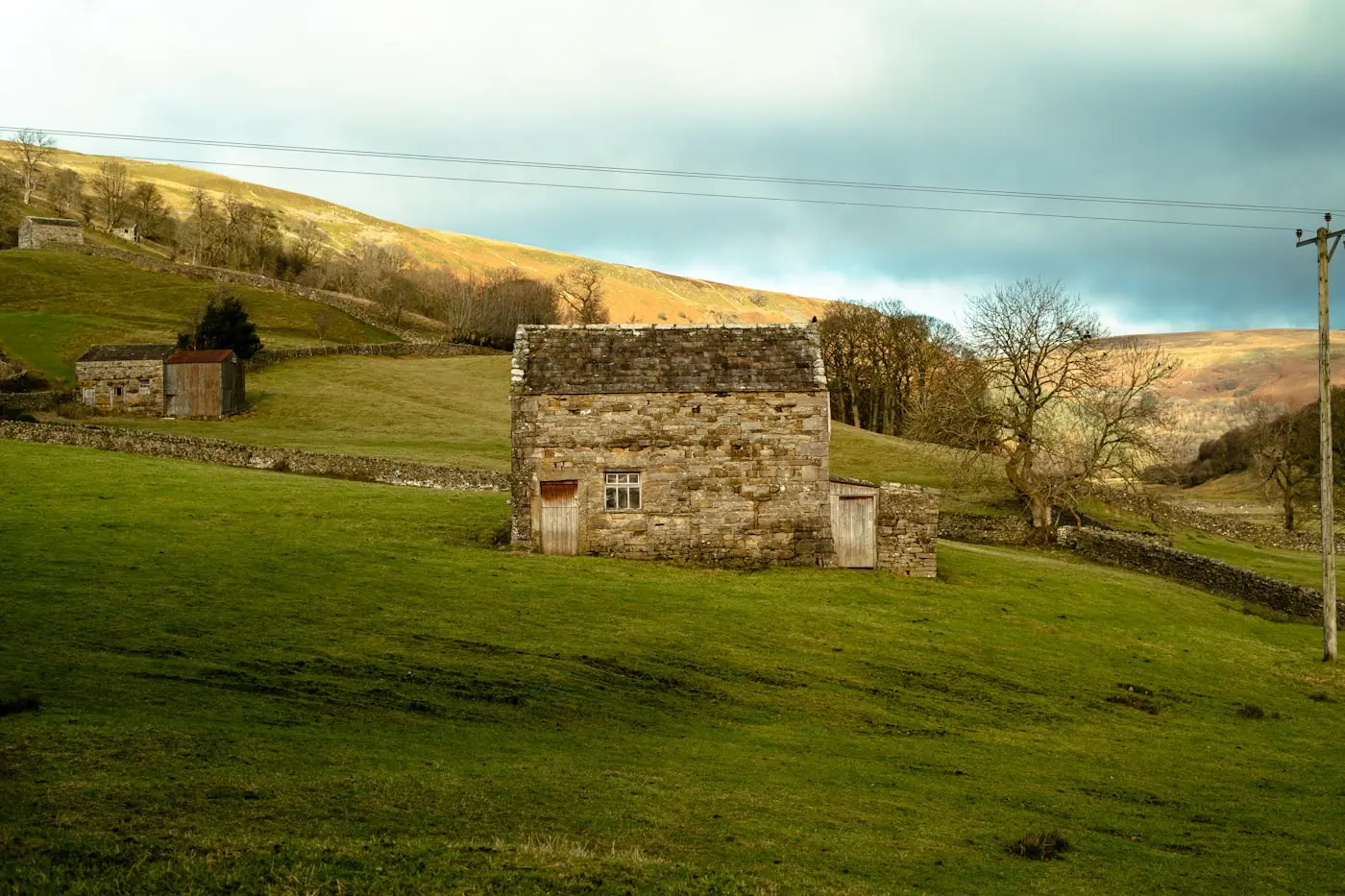
Maltby is a town with a strong sense of itself. Maltby Main Colliery, which closed in 2013 as one of the last deep mines in Yorkshire, shaped the physical layout of the town and the character of its community in ways that are still visible today. The colliery village layout means that a significant proportion of Maltby's residential streets were built as company housing in the 1920s and 1930s - solid, functional houses on generous plots by the standards of the era, with gardens that have had decades to develop their own soil character. That character is defined by the Carboniferous Coal Measures geology beneath: heavy shale-derived clay that compacts, holds water, and sits at an acid pH that strongly disfavours fine lawn grass.
This guide is for Maltby homeowners who want a garden that works without it becoming a second job. If your lawn is losing ground to moss year after year, if your borders are a couch grass battlefield, or if you have simply not had the time to keep up with a garden that needs more attention than you can give it, this is where to start. We will cover the soil and garden character of S66, what work makes the most difference, what it costs in 2026, and how to find someone reliable rather than just someone nearby.
What Kind of Gardens Are in Maltby?
The original colliery village housing stock - the 1920s and 1930s semi-detached and terrace houses built for mining families - gives Maltby its distinctive residential character. These properties typically have rear gardens of a reasonable size: not large by rural standards, but sufficient for a proper lawn, a vegetable patch, and established border planting. The soil on these plots has been worked for eighty to a hundred years, which means it has some accumulated organic matter from decades of gardening activity. But the underlying Coal Measures clay remains the dominant influence, and it sets the conditions for almost every problem that Maltby gardeners encounter.
The eastern side of town, where newer suburban development has extended Maltby's footprint beyond the original colliery village boundary, has a somewhat different character. These are properties from the 1970s, 1980s, and more recent phases of development, often with larger footprints and gardens that were landscaped at build time rather than accumulated over decades. The soil conditions on these plots are variable - sometimes better-structured than the older colliery estate gardens, sometimes worse, depending on what was done with the ground during construction. If your garden is on one of these newer estates and has never quite performed well despite reasonable care, sub-surface compaction or thin topsoil over building rubble may be a factor.
Elevated ground on the edges of the colliery village, where the terrain rises above the valley floor, gives the best natural drainage in S66. Gardens here drain more freely after rain and warm faster in spring than lower-lying plots. The clay character remains, but without the compounding effect of a valley-floor moisture regime. These are also the gardens most likely to have established hedging, mature shrubs, and a planting history that goes back far enough to have developed genuine soil structure in the border areas.
One factor worth noting specifically for Maltby is the potential for subsidence movement near former mine workings. Cracking in paths, patios, and boundary walls is the most common manifestation in gardens - not dramatic collapse, but progressive movement that affects the structural elements of the garden over time. If you notice cracks that are widening rather than stable, it is worth getting an assessment. For routine garden work, this is an awareness point rather than a barrier to normal planting and maintenance.
The colliery estate soil legacy
Colliery company housing in the 1920s and 1930s was typically built quickly on land that had been prepared for construction rather than gardening. Subsoils on original estate plots in Maltby can include compacted construction material, colliery waste, or simply heavily disturbed Clay Measures ground with no topsoil of any depth. If your garden on a colliery estate street has always been difficult to establish - poor lawn growth, plants that fail to thrive despite reasonable care - a simple soil test may reveal a pH or structure problem that explains the difficulty and points toward a solution.
What Gardeners Do in Maltby
The work requested most consistently in S66 reflects the soil conditions and the practical realities of maintaining a colliery village garden through the Yorkshire growing season. These are the jobs that come up most regularly.
Lawn moss treatment and renovation is the job that most Maltby homeowners eventually face. The Coal Measures clay, low pH, and typically shaded conditions on gardens bounded by close-built estate housing create an environment where moss thrives and fine lawn grass struggles. A lawn in this environment that receives no active management will become predominantly moss within two to three seasons. The appropriate treatment is a full renovation sequence rather than surface moss treatment: hollow-tine aeration to relieve compaction and improve drainage, scarification to remove the moss mat, overseeding with a grass mix selected for moisture-tolerant, clay-soil conditions, top-dressing with a grit-amended compost to improve surface structure, and a lime application if soil pH testing shows it is below 6.0. This done properly in September, with annual maintenance aeration the following autumn, produces visible, durable improvement. The lawn overseeding guide for Yorkshire covers the process in detail.
Regular garden maintenance is what keeps everything else from getting out of hand. On Maltby's clay soils, a garden that falls behind through the growing season accumulates problems that are harder to reverse than in lighter-soil gardens - weeds root more deeply, moss thickens faster, and couch grass rhizomes spread further with every week left unchecked. Garden maintenance on a fortnightly schedule from April to October, with monthly visits in the shoulder months, keeps most S66 gardens in good order without requiring periodic emergency clearance visits.
Weed control on Maltby's clay soils requires patience and persistence. Weed control in this soil type is harder than on lighter ground because roots grip the clay firmly and hand-pulling often leaves root fragments that regrow. Couch grass is the most prevalent border problem: it spreads by underground rhizomes that intermingle with the roots of legitimate border plants, making clean removal without disturbing the whole border a skilled job. Bindweed and dandelion are also common on disturbed clay ground. A realistic weed management plan spans multiple seasons rather than promising complete clearance in a single visit. See the Yorkshire weed control guide for the approach to each common weed type.
Hedge trimming matters across a significant proportion of Maltby's colliery estate gardens, where established privet and hawthorn hedges form the primary boundary treatment. Many of these hedges have been in situ for sixty or seventy years and, where regular trimming has lapsed, they can widen and tall-grow in ways that shade the garden and weaken lower growth. Hedge trimming after a period of neglect requires a more substantial initial cutback before the hedge can be maintained on a standard annual trim cycle. The initial work should be quoted accordingly.
Garden clearance is frequently needed on older estate properties where the garden has been left for several seasons, on properties where a change of ownership has revealed a backlog of work, or where a previously paved yard is being opened up and replanted. Garden clearance in Maltby's clay soil is physically demanding - root systems resist extraction, soil is heavy to move, and access through narrow estate back lanes to many rear gardens limits equipment options. The price for clearance reflects this physical reality. The garden clearance near me guide covers what to expect from a professional clearance visit.
Pressure washing of paths, drives, and paved areas is a regular requirement in Maltby's damp, clay-soil gardens. Green algae and moss establish quickly on horizontal hard surfaces in these conditions. Pressure washing combined with an algicide application is the most effective approach and is often added to a clearance or maintenance visit. Lawn edging along paths and borders is another finishing detail that makes a consistent difference to how a garden presents.
What Does a Gardener Cost in Maltby?
Maltby rates follow the South Yorkshire pattern: slightly below the West Yorkshire average for general maintenance, with renovation and drainage work reflecting the extra effort required on heavy clay. The colliery village's compact layout means travel overhead is low for a gardener based in or near S66, which keeps routine maintenance pricing competitive.
For a full picture on UK gardener pricing, see the how much does a gardener cost guide and the gardener hourly rate UK breakdown.
| Rate type | Maltby (S66), 2026 | Notes |
|---|---|---|
| Hourly rate (maintenance) | £25-£38/hr | Regular schedule at lower end; one-off visits higher |
| Day rate (7-8 hrs) | £130-£180 | Full working day for clearance or renovation |
| Fortnightly maintenance visit | £38-£65 per visit | Medium garden; lawn, borders, edges included |
| One-off lawn cut | £28-£50 | Size and condition dependent; overgrown plots higher |
| Lawn renovation (aeration, scarification, overseed) | £100-£220 | Clay soil makes this more labour-intensive than average |
| Hedge trimming (standard domestic) | £40-£90 per visit | Established estate hedges at the higher end |
| Garden clearance (medium plot) | £180-£380 | Restricted access or clay-rooted overgrowth: up to £650 |
| Pressure washing (patio/path) | £55-£140 | Area-dependent; algicide treatment extra |
One pricing point worth emphasising: lawn renovation on Maltby's Coal Measures clay is more labour-intensive than on lighter soils, and the full sequence - aeration, scarification, overseeding, top-dressing, and lime application - takes longer per square metre than on free-draining ground. A quote that prices Maltby lawn renovation at the same rate as a sandy-loam garden is either very efficient or is leaving out steps. Ask what is included before you commit.
Finding a Reliable Gardener in Maltby
Maltby's community character means word of mouth works particularly well. This is a town where people have lived for a generation and know each other's business - including who does good work and who does not. A personal recommendation from a neighbour whose garden you have noticed looking consistently well-kept is the strongest signal you can get. It tells you the gardener actually shows up on the day they say, does the work to a standard the homeowner finds satisfactory, and prices it at a level that earns repeat business.
If you are new to S66 or your immediate neighbours manage their own gardens, a local introduction service that has local gardeners covering Maltby is more reliable than using a national app. National platforms optimise for coverage breadth rather than local knowledge - you may get someone who covers S66 on their route but has no particular familiarity with colliery village soil, the access constraints of older estate back lanes, or the specific renovation needs of a heavily-mossed clay lawn.
Before committing to any gardener, ask these six questions:
- Can you show me your public liability insurance certificate, not just tell me you have it?
- Do you hold a Waste Carrier's Licence for removing green waste?
- Have you worked on colliery estate gardens before, and specifically with the heavy clay soils in S66?
- Do you visit and assess before quoting for clearance or renovation work?
- Can you show examples from gardens in Maltby or the surrounding Rotherham area?
- Is waste removal included in your quote, or priced separately?
A gardener who answers all six directly is worth taking forward. One who is vague about insurance or brushes off questions about soil conditions is giving you information worth heeding before you book. See the how to find a gardener in Yorkshire guide for a full vetting process.
Seasonal Guide for Maltby Gardens
Maltby's position in South Yorkshire's inland coalfield gives it a moderate climate - cold winters with frost risk into April, warm summers, and an autumn that extends the growing season usefully. The clay soil imposes its own seasonal rhythm on top of the weather, and the two together shape what should and should not be done each month.
Spring (March to May)
Clay soils in S66 are slow to drain after winter and slow to warm in spring. March and early April are the months most likely to have the garden looking worse than it will by June - waterlogged patches, compacted areas, and the visible retreat of grass in favour of moss from the previous season's damp. This is not the time to start heavy work on a lawn that is still wet. Border tidying, structural pruning, and light clearance work can all happen from late March, but avoid working on a saturated lawn or driving equipment across wet clay.
Late April is the typical start of fortnightly mowing in Maltby - perhaps early April on the better-drained elevated plots, late April or early May on valley-side gardens that drain more slowly. Edges need defining after winter. Weed control on paths and paved areas is most effective once soil temperature has reached ten degrees, typically late April in South Yorkshire's inland climate.
May is when the season properly opens. Fortnightly maintenance visits are established, borders are actively growing, and the clay soil, partially dried from the spring wet period, becomes workable for planting and soil improvement. Tender bedding plants go out in late May once frost risk has genuinely passed - Maltby's inland position means late-April frosts are a real risk in some years. See the clay soil gardening guide for how to time soil work appropriately through the season.
Summer (June to August)
The mowing season is at its most demanding through June and July. Hedge trimming is best done in late June or July, once the spring growth has hardened. Privet and hawthorn hedges across Maltby's colliery estate are at their most presentable when trimmed in July and again lightly in September. Established hedges that have widened significantly over recent seasons benefit from a reduction cut before returning to regular maintenance.
South Yorkshire summers can be dry and warm, and the Coal Measures clay, which held water tenaciously through spring, can crack and harden at the surface through July and August. Border mulching in late May helps extend the window before summer dryness becomes a problem. August is the time to book autumn renovation - September lawn renovation slots across Maltby and the wider S66 area fill earlier than many homeowners expect, and waiting until September to make contact often means missing the window.
Autumn (September to November)
September is the most important gardening month in Maltby. Hollow-tine aeration on the clay lawn while soil temperature is still above ten degrees produces the greatest drainage improvement and root development. Combined with scarification, overseeding, and top-dressing, this is the treatment sequence that produces durable lawn improvement on Coal Measures clay. See the lawn overseeding guide for the full autumn renovation sequence and the autumn garden care guide for Yorkshire for everything else that belongs in this window.
October is for leaf clearance, final mowing, and putting the garden to bed before winter. Leaves on a clay lawn through winter suppress what remaining grass there is and provide cover for moss establishment. The garden drainage guide is worth reading if you notice surface water pooling for more than 48 hours after autumn rain - this is the time of year when drainage problems become most visible and also when the diagnosis is clearest.
November is for structural pruning of roses and fruit trees, bulb planting, and any fencing or hard landscaping repairs before the ground freezes. Garden clearance of spent border material in November leaves a much cleaner starting position for spring than waiting until March when everything is growing again.
Winter (December to February)
Little active work in most Maltby gardens through December and January. February is the time to plan the season ahead - booking gardeners for fortnightly maintenance, identifying autumn renovation work that needs addressing, and deciding which border areas need replanting or restructuring. Gardeners covering S66 who are locally known and reliable fill their schedules early. An enquiry in February gives you the best selection and the most time to make a considered decision rather than chasing availability in April.
Common Garden Problems in Maltby
Moss in colliery estate lawns
This is the most consistently reported problem in S66 gardens. The Coal Measures clay, acid pH, and generally damp conditions on estate plots that are partially shaded by close-built housing create conditions where moss is the naturally dominant plant. Lawns that have never been aerated or had their pH checked will typically be sixty to eighty percent moss within five years of establishment, and many older estate lawns in Maltby are there already. The correct approach is not faster mowing or more frequent surface treatment - it is addressing the conditions that allow moss to dominate: compaction via hollow-tine aeration, pH via lime, surface exclusion via scarification, and grass re-establishment via appropriate overseeding.
Couch grass invasion in borders
Couch grass is a perennial problem on Maltby's clay soils. It spreads aggressively by underground rhizomes, regrows from root fragments, and interweaves with the roots of established perennials and shrubs in ways that make clean removal extremely challenging. In the clay soil of a colliery estate garden, where roots grip firmly and cleanly tracing rhizome networks is difficult, the management approach must be realistic: this is a multi-season task that requires either patient, systematic hand removal over several growing seasons or carefully targeted systemic herbicide application during a period when the surrounding plants can be protected. A single clearance visit will not eliminate established couch grass in Maltby clay. The weed control guide is direct about this.
Drainage issues on lower-lying plots
While Maltby's elevated ground drains better than Dearne Valley floor towns, lower-lying plots and those on impermeable clay subsoil can hold surface water for extended periods. The garden drainage guide for Yorkshire covers the spectrum of drainage interventions from surface aeration through to French drains and soakaways, and is the starting point for any garden where ponding is a genuine problem rather than just a seasonal inconvenience.
Frequently Asked Questions
How do I find a reliable gardener in Maltby?
Personal recommendation in your neighbourhood is the strongest signal. A local introduction service connecting you to a local gardener covering S66 is the next best option. Ask for public liability insurance, a Waste Carrier's Licence, and specific experience with Coal Measures clay soils before booking. The how to find a gardener in Yorkshire guide has a full vetting checklist.
How much does a gardener in Maltby charge?
Hourly rates run £25-£38 for general garden maintenance in 2026. Fortnightly visits for a medium S66 garden run £38-£65. Lawn renovation runs £100-£220. Day rates for clearance run £175-£300. See the full UK gardener cost guide for broader pricing context.
What soil do Maltby gardens have?
Carboniferous Coal Measures shale-derived clay: heavy, slow-draining, acid pH, prone to compaction. Colliery estate gardens may also have fill or disturbed subsoil from the construction era. The clay soil guide for Yorkshire covers how to work effectively with this soil type.
Why is my Maltby lawn so mossy?
Clay soil, low pH, damp estate conditions, and shade from close-built housing combine to favour moss over grass. Surface moss treatment produces temporary results. A full renovation - aeration, scarification, overseeding, and lime application - done in September produces durable improvement. The overseeding guide covers the process.
When is the best time to get lawn renovation done in Maltby?
September and early October. Warm soil supports seed establishment, aeration works through winter, and new grass has time to root before the following spring. Book in August - September slots fill early across S66 and the surrounding area.
Can I get a garden clearance in Maltby?
Yes. Garden clearance runs £180-£380 for a medium S66 garden. Restricted access through estate back lanes, established couch grass roots in clay, or high volumes of material can take this to £650 or more for a two-person team. Get a fixed quote after an in-person visit.
What garden problems are most common in Maltby?
Moss in lawns, couch grass in borders, and drainage issues on lower plots - all driven by the Coal Measures clay and colliery estate soil conditions. All three reward consistent management rather than one-off treatment.
Do Maltby gardeners cover Wickersley, Bramley, and Hellaby?
Most gardeners covering S66 also work in Wickersley, Bramley, Hellaby, and Dinnington. Give your full postcode when enquiring to confirm coverage. The soil conditions across this part of Rotherham are consistent enough that local knowledge transfers between the towns.
Related reading
- How much does a gardener cost in the UK? (2026 prices)
- Gardener hourly rate UK
- Gardening on clay soil in Yorkshire
- Lawn overseeding in Yorkshire
- Weed control in Yorkshire gardens
- Garden drainage in Yorkshire
- Garden clearance near me - Yorkshire
- Autumn garden care in Yorkshire
- Garden maintenance across Yorkshire
- Hedge trimming across Yorkshire
Gardeners in other South Yorkshire areas
We cover Maltby and the surrounding Rotherham district. Gardeners in Mexborough serve the Don Valley on the same Coal Measures clay, and gardeners in Rotherham cover the wider borough. Before booking any clearance, see the garden clearance cost guide for realistic 2026 prices.
Is there a subsidence risk in Maltby gardens near the former colliery?
Maltby Main Colliery closed in 2013 and the surrounding area carries some historical subsidence risk from former mine workings. In practice, the most common garden manifestation is cracking in paths, patios, and boundary walls rather than dramatic ground movement. If you notice cracks in paving or walls that are widening progressively, it is worth getting a structural assessment. For routine garden work, subsidence risk does not prevent normal planting, lawn care, or maintenance - it is a factor to be aware of rather than a barrier to gardening.
Find a gardener in Maltby.
Tell us what you need and we put your enquiry in front of a local gardener covering S66. No call centres, no national franchise - one local gardener, direct contact.
Get a free assessment