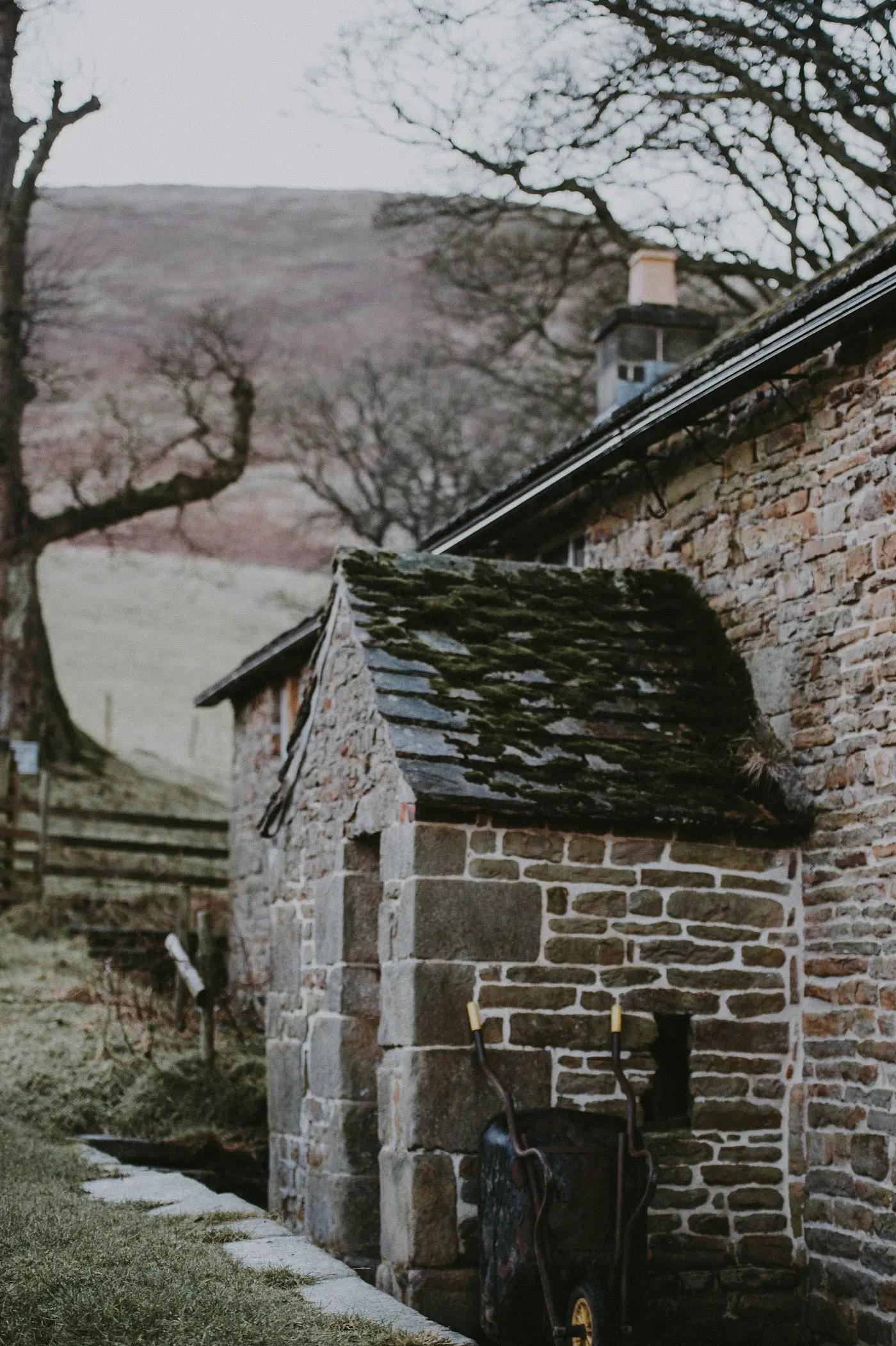
Thorne is geologically distinct from most of South Yorkshire's gardening landscape. Where Barnsley, Rotherham, and the Dearne Valley towns sit on Carboniferous Coal Measures clay - heavy, compact, and acid - Thorne sits on something entirely different: the edge of the Humberhead Levels, where ancient peat moors meet the Aire and Don drainage system on some of the flattest ground in England. Thorne Moors, to the north of the town, is one of the largest areas of lowland raised bog in England and a nationally important nature reserve. That landscape shapes the soil in every Thorne garden, and understanding it before you bring in a gardener or start any lawn renovation work makes a significant practical difference to whether the work succeeds.
The great majority of Thorne gardens sit on organic-rich, peat-influenced alluvial soils: naturally acidic, moisture-retentive, and with a high organic matter content. These soils have genuine fertility potential once drainage is managed - but managing that drainage is the central challenge, and it is a challenge that a gardener experienced only in Coal Measures clay towns may not immediately know how to approach.
What Makes Thorne's Soil Different
The peat and alluvial soils of the Humberhead Levels are some of the most distinctive growing conditions in Yorkshire. Peat is formed from partially decomposed organic matter - in Thorne's case, the remains of the fen and bog vegetation that accumulated over thousands of years on the flat, waterlogged Levels. The resulting soil is dark, spongy, moisture-retentive, and naturally acid. pH values on untreated Thorne garden soils typically run between 4.5 and 6.0 - more acid than the Coal Measures clay towns and significantly more acid than the calcareous soils further east toward the Yorkshire Wolds.
The alluvial component in many Thorne gardens adds a silt and clay layer over the peat - deposited by the Aire and Don system over centuries of periodic flooding. This creates a layered soil profile that can behave unexpectedly: the surface alluvial layer may drain acceptably after moderate rain, but once saturated it sits on the peat layer below, which holds water like a sponge. Gardens that dry out on the surface relatively quickly in dry weather can still have persistently wet subsoil conditions that damage root systems over winter and prevent spring establishment of grass and border plants.
Peat soil and the frost thaw cycle
Peat soils in Thorne experience a pronounced frost-thaw effect in late winter that can cause visible surface heaving. Frost penetrates the wet peat layer, expands it as it freezes, and then - when the thaw arrives - leaves a looser, more open surface structure than was there before. This is actually beneficial for border soil that has become compacted, but it creates an uneven lawn surface after cold winters. A light lawn rolling in March, when the ground has fully thawed and firmed, corrects the surface before the mowing season begins. Ask your gardener about this if your Thorne lawn develops an irregular, bumpy surface each spring.
The Character of Thorne Gardens
Thorne is a market town with a historic street pattern at its core and residential development spreading outward from the old centre. The older properties around the town centre and the Church Street area have gardens that have been worked for generations - some with deep, well-structured peat soils that are exceptionally fertile for border plants, others with more problematic waterlogging in low-lying plots. The older walled gardens and back-yards of the town centre properties vary considerably in their drainage characteristics depending on their relationship to the local drainage network.
The newer residential development on the edges of Thorne - the post-war estates and the more recent housing that has spread onto flat agricultural land - sits directly on the alluvial and peat soils of the Levels. These are the gardens most susceptible to the waterlogging issue, because they sit on flat ground with limited natural fall and the surface drainage gradient is minimal. A Thorne estate garden that sits even slightly lower than its neighbours can accumulate water that drains from adjacent plots, compounding the problem significantly.
Despite the drainage challenges, Thorne gardens have a genuine advantage over Coal Measures clay towns in the potential fertility of the soil. Once drainage is managed well - either through surface grading, strategic use of raised beds, or more substantial French drain installation on problematic plots - the moisture-retentive, organic-rich peat-alluvial soil produces excellent growth. Vegetables, soft fruit, and moisture-tolerant perennials do particularly well in managed Thorne soil conditions, and this is reflected in the notably good kitchen garden culture in parts of the town.
What Gets Booked in Thorne
Lawn maintenance in Thorne requires different management than the Coal Measures clay towns. On peat soils, the key is maintaining a consistent mowing height that keeps the grass canopy at a level that allows some light to the soil surface - excessively long grass on damp peat creates the cool, humid conditions that moss and algae love. Fortnightly mowing from April through October, with care taken not to cut during periods of sustained ground saturation (which causes surface rutting that takes time to correct), is the standard approach. Garden maintenance on a consistent schedule through the growing season prevents the backlog accumulation that turns a manageable Thorne lawn into a salvage job.
Drainage assessment and improvement is the job that underpins most significant garden improvement work in DN8. A gardener covering Thorne who is experienced with the local soil conditions should be able to assess whether a problem lawn or border can be improved with surface interventions or whether the drainage issue is structural and needs physical work. Simple surface-level improvements - grading the lawn surface slightly to create runoff fall, adding organic matter to the alluvial surface layer to improve drainage, installing a simple French drain along a boundary wall to intercept water from a higher-level neighbour - can transform a problematic Thorne garden at relatively modest cost.
Raised bed construction is popular in Thorne gardens precisely because of the waterlogging issue. Raising planting areas above the natural soil level removes the root zone from the saturated subsoil and creates a freely draining growing medium that can be amended independently of the underlying peat. A well-built raised bed in a Thorne garden - built with proper drainage material in the base and filled with a good topsoil and compost mix - is the fastest way to get productive vegetable growing on ground that would otherwise flood out crops in a wet spring.
Hedge trimming is consistent across Thorne's residential streets. The town has a good proportion of well-maintained boundary hedges. Established privet and hawthorn on flat ground tends to produce vigorous growth, and annual trimming keeps the hedges in the right proportions. Hedge trimming twice a year - a main cut in June and a lighter tidy in September - is the standard approach for most Thorne domestic hedges.
Garden clearance on peat soils differs from clearance on Clay Measures clay in one important respect: weeds root less deeply in the looser peat structure and are generally easier to extract, but the moist conditions mean growth is vigorous and weeds return quickly if the cleared soil is left bare. A Thorne clearance should ideally be followed by immediate planting or mulching to suppress regrowth before the next weed generation establishes. Garden clearance costs in DN8 run £150-£320 for a medium garden.
What Does a Gardener Cost in Thorne?
Thorne rates sit at the lower end of the South Yorkshire range, consistent with the DN8 market town character. Drainage assessment and improvement work is priced separately from general maintenance and reflects the additional technical knowledge required. The garden maintenance prices guide for Yorkshire gives full regional context.
| Job type | Thorne (DN8), 2026 | Notes |
|---|---|---|
| Hourly rate (maintenance) | £25-£32/hr | Regular schedule at lower end; one-off visits higher |
| Day rate | £120-£170 | 7-8 hr day for clearance or renovation |
| Fortnightly maintenance visit | £35-£60 | Medium garden; lawn, borders, edges included |
| One-off lawn cut | £28-£50 | Peat soil - avoid mowing on saturated ground |
| Lawn renovation (includes drainage assessment) | £90-£200 | Peat soil renovation differs from clay - drainage-led approach |
| Hedge trimming | £35-£80 | Good growth rates on fertile peat soil; may need two cuts |
| Garden clearance (medium plot) | £150-£320 | Peat soil weeds extract more easily than clay but regrow quickly |
| Raised bed construction (per bed) | £150-£350 | Materials extra; drainage base layer essential on peat |
Seasonal Guide for Thorne Gardens
Spring (March to May)
Thorne peat soils can remain saturated well into March and sometimes April on lower-lying plots. A light lawn roll in late March or early April, after the final thaw and once the ground has firmed, corrects the winter surface heaving that is common on peat soils. Avoid heavy foot traffic on saturated peat lawns - unlike Clay Measures clay, peat does not compact badly but it can be structurally disrupted by rutting on very wet ground. Fortnightly mowing from mid-April. Border planting and soil improvement in May before the growth season establishes fully.
Summer (June to August)
Growth rates on fertile Thorne peat soil are often notably vigorous in a good summer - hedges may need a mid-season check and possibly two cuts where one suffices in less fertile areas. Grass on peat soil can grow quickly in warm, wet spells; maintain a consistent mowing schedule. If you are planning autumn raised bed installation or drainage work, organise quotes and materials in July to ensure availability for autumn works.
Autumn (September to November)
Autumn is the time to reseed any bare lawn patches before the ground cools fully - peat soils hold warmth well into October, which gives seed establishment a good window. If drainage improvement is planned, October and November are the months for installation before the wet season arrives in full. Leaf clearance is important - leaves decomposing on peat lawn surfaces add to the organic matter layer that can promote moss and algae growth.
Winter (December to February)
Plan raised bed projects and drainage work in winter for spring execution. Book maintenance gardeners in February to secure April start dates. Reliable local gardeners in Thorne fill spring schedules early, particularly those with specific peat soil experience.
Frequently Asked Questions
How much does a gardener cost in Thorne DN8?
Hourly rates run £25-£32 for general garden maintenance in 2026. Fortnightly visits for a medium DN8 garden run £35-£60. Day rates for clearance run £175-£300. See the full UK gardener cost guide for context.
What is the soil like in Thorne gardens?
Peat-influenced alluvial soils - organic-rich, moisture-retentive, naturally acidic (pH 4.5-6.0 on untreated DN8 gardens). Very different from the Coal Measures clay common in nearby Doncaster and Barnsley. Drainage management is the central challenge. Acid-loving plants do exceptionally well in managed Thorne conditions.
Does my Thorne garden flood?
Lower-lying DN8 plots close to drainage channels or on ground near the regional water table can experience periodic waterlogging. Surface grading, raised beds, or French drain installation address the problem in most cases. Any significant renovation work in a Thorne garden should start with a drainage assessment. The garden waste removal guide and service pages cover the wider context of comprehensive garden improvement work.
Why is my Thorne lawn patchy and wet?
Patchy wet lawns in DN8 are almost always a drainage issue rather than a grass maintenance failure. Identify where water enters the lawn and where it cannot exit, then create a route for it to leave before reseeding bare patches. See the lawn repair guide for Yorkshire for the diagnostic approach to patchy lawns.
What plants do well in Thorne's peat soil?
Acid-loving plants thrive: rhododendrons, azaleas, blueberries, heathers, cranberries. Moisture-tolerant shrubs and ornamental grasses perform well once drainage is managed. The rich organic content supports strong vegetable and soft fruit growing once the waterlogging problem is resolved through raised beds or drainage improvement.
Further reading
- Lawn repair and patchy grass in Yorkshire
- Garden maintenance prices in Yorkshire
- Autumn garden care in Yorkshire
- Weed control in Yorkshire gardens
- Gardeners in Doncaster
- Gardeners in Goole
Gardeners near Thorne
We cover Thorne and the surrounding DN8 area. Gardeners working Thorne typically also cover Moorends, Stainforth, and the wider Doncaster district.
Find a gardener in Thorne.
Tell us what you need and we put your enquiry in front of a local gardener covering DN8. No call centres, no national franchise - one local gardener, direct contact.
Get a free assessment