Lawn Alternatives in Yorkshire - 7 Low-Maintenance Options Suited to Yorkshire Gardens
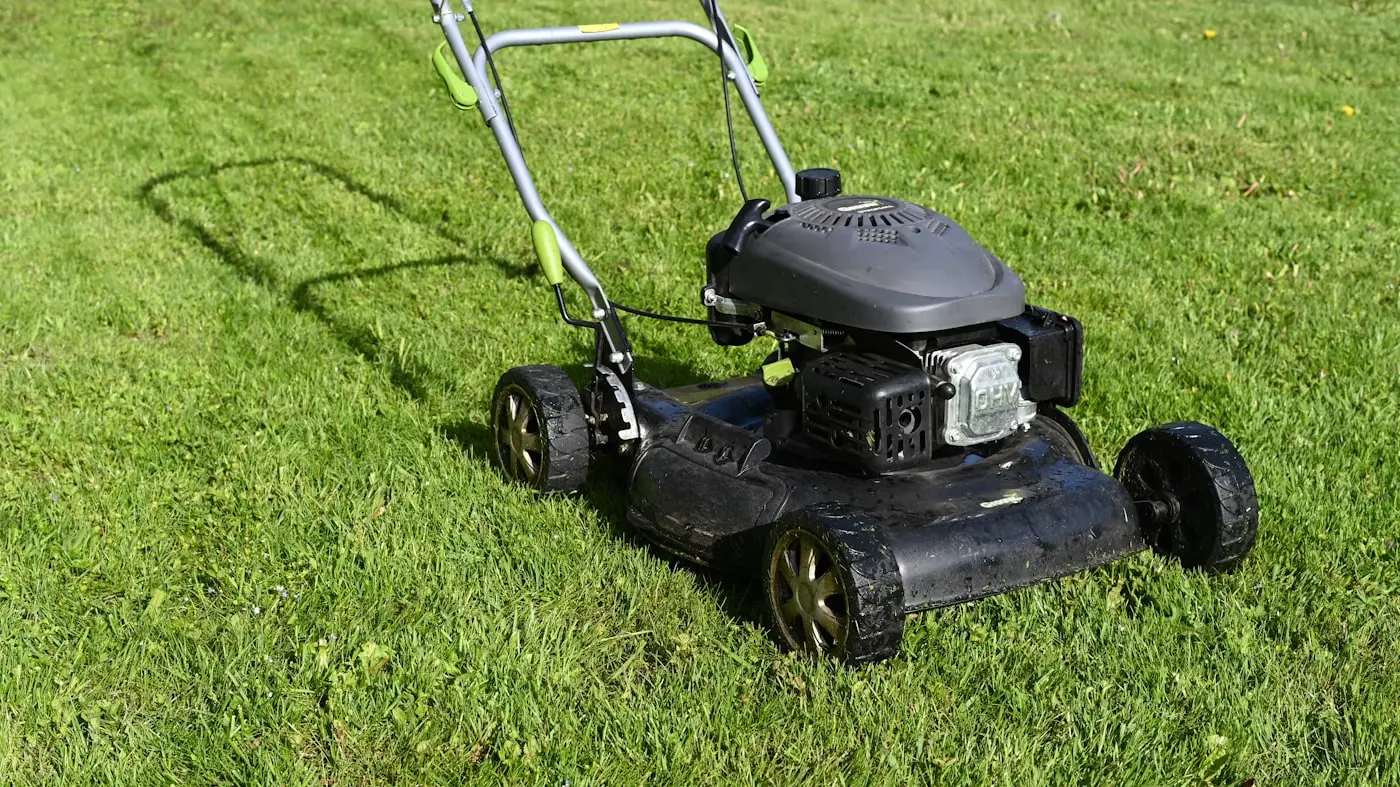
Yorkshire lawns have a difficult life. The county's clay-dominant soils compact easily, drain slowly, and turn into a waterlogged mess from October to March. Shaded north-facing gardens - common in terraced Victorian properties across Bradford, Leeds, and Sheffield - make growing decent grass near impossible. Summer hosepipe bans (most recently 2022, with precedents going back to 1995) undermine the weeks of work put into lawn recovery in spring. And for a growing number of homeowners, the fortnightly mowing commitment over a seven-month season is simply not worth it.
None of this means lawns are wrong for Yorkshire gardens. A well-maintained lawn remains one of the most versatile and useful garden surfaces available, and for families with children it is still hard to replace. But if your lawn is more maintenance than pleasure, there are seven genuine alternatives worth considering - and several of them suit Yorkshire conditions better than grass does.
Why Yorkshire Homeowners Are Reconsidering Lawns
There are four overlapping reasons this conversation is happening more in Yorkshire than it did ten or twenty years ago:
Yorkshire clay
A genuinely good lawn on heavy clay requires serious soil improvement: sand incorporation, aeration, top dressing, possibly drainage installation. The cost of getting Yorkshire clay into lawn-quality condition can run to £500-2,000 for an average garden, and it needs repeating every few years as the clay continues to compact. For many homeowners, that investment is not justifiable when the alternative - a ground cover planting or paved area - requires a similar upfront cost but has minimal ongoing maintenance.
Water
Yorkshire's reputation as a wet county is well-earned in the Pennines (where rainfall exceeds 1,500mm in some areas), but the Vale of York and East Riding are drier than most people assume, with Leeds receiving around 650mm per year - less than London in a typical year. During the dry summers of 2018 and 2022, Yorkshire Water imposed hosepipe bans that made lawn watering illegal. A lawn without water in a dry Yorkshire summer browns out fast. Alternatives that are drought-tolerant once established avoid this problem entirely.
Biodiversity
A mown lawn on its own supports very limited biodiversity. The shift towards gardens that provide more habitat - for pollinators, ground beetles, hedgehogs, and birds - is partly aesthetic preference and partly response to genuine wildlife decline in suburban areas. Wildflower meadows, ground cover planting with varied structure, and even moss lawns provide substantially more habitat value than closely mown ryegrass.
Time
Mowing a lawn fortnightly from April to October is approximately fifteen hours of work per year for an average garden. That figure does not include edging, feeding, scarifying, or aerating - and a full professional lawn treatment programme adds further cost and calendar commitment. The alternatives below range from "still some work" to "almost none" in terms of ongoing maintenance.
The 7 Main Lawn Alternatives for Yorkshire Gardens
1. Gravel Garden
A gravel garden - loose stone aggregate over a weed-suppressing membrane, planted with drought-tolerant species - is the most popular lawn alternative in drier parts of Yorkshire and has become a strong aesthetic choice in the last decade.
Yorkshire suitability: Gravel works well in the drier parts of Yorkshire (Vale of York, Wolds, East Riding) and in well-drained alkaline soils on the magnesian limestone belt running from Castleford through Wetherby to York. On Pennine clay, gravel requires drainage improvement (replacing the top 200-300mm with free-draining material) to prevent pooling, which adds cost and complexity. Visually, gravel suits some areas of Yorkshire better than others: it reads naturally against limestone buildings in the Dales and Wolds but can look incongruous against dark gritstone in Pennine villages.
Upfront cost: £15-35/m2 for membrane, gravel, and basic planting. Drainage improvement on clay adds £10-20/m2.
Annual maintenance: Low. Top up gravel every two to three years, remove persistent weeds (especially grass pushing through the membrane), occasional plant cutting back.
For more on gravel as a garden surface, see our guide to gravel gardens in Yorkshire.
2. Artificial Grass
Artificial grass solves specific, real problems: lawns that die in shade, lawns that turn to mud in winter, front gardens that need to look tidy year-round with no effort. It is not the right answer for every garden, but it is the right answer for some.
Yorkshire suitability: The drainage specification matters more on Yorkshire clay than in most of England. Standard artificial grass installation (compacted sand on hardcore) can result in surface ponding on clay if the drainage is not set up correctly. Specify a system that includes drainage to a soakaway or existing drain, particularly in the wetter Pennine areas. Artificial grass also warms up in direct sun - not a major issue for most of Yorkshire's summers, but south-facing gardens in sheltered spots will notice it on hot days.
Upfront cost: £30-60/m2 installed including drainage preparation on Yorkshire clay.
Annual maintenance: Very low. Brush to keep fibres upright, occasional rinse. No mowing, no feeding, no watering.
Lifespan: 10-20 years depending on quality and foot traffic. Mid-range artificial grass (£20-35/m2 supply) is the right specification for most domestic gardens - budget products compress and look worn within five years.
For the full breakdown on artificial grass, see our guide to artificial grass installation in Yorkshire.
3. Low-Maintenance Ground Cover Planting
A bed of spreading ground cover plants under a 75-100mm bark mulch layer is the most wildlife-friendly and visually naturalistic alternative to a lawn. It does not suit children's play areas, but for gardens where the function is primarily visual or for adults, it requires very little work once established.
Yorkshire suitability: Excellent, particularly for the north-facing and shaded gardens that are common in Yorkshire's terraced housing stock. The plants listed below are specifically chosen for Yorkshire clay and partial to full shade:
- Vinca minor (Lesser Periwinkle): evergreen, spreads well, lavender-blue flowers in spring, tolerates deep shade and clay.
- Epimedium x versicolor: semi-evergreen, yellow spring flowers, extraordinarily drought-tolerant once established, good on dry shade under trees.
- Ajuga reptans (Bugle): low ground-hugging rosettes, blue flower spikes in May, spreads by runners, native to Yorkshire.
- Geranium macrorrhizum: semi-evergreen, scented foliage, pink or white flowers, one of the best ground covers for shaded dry areas.
- Pachysandra terminalis: evergreen, slow to establish but very long-lived, handles acidic clay under conifers where little else works.
- Lamium maculatum: deadnettle, variegated silver-green foliage, tolerates dry shade, spreads quickly to fill gaps.
Upfront cost: £10-25/m2 for plants and mulch (plants at 5-6 per m2, with a 75mm mulch layer). Soil preparation adds £5-10/m2 on heavy clay.
Annual maintenance: Low after year one. Cut back any plants that over-run boundaries, top up mulch every two years, remove any weed seedlings before they establish. Year one needs watering during dry spells while plants establish.
4. Paving or Porcelain
Replacing a lawn with paving is the most permanent option and the one with the highest upfront cost - but it eliminates garden maintenance almost entirely and creates a genuinely usable, year-round outdoor space.
Yorkshire suitability: Any paving on Yorkshire clay needs a proper sub-base (minimum 150mm Type 1 MOT hardcore) to prevent movement. Porcelain is the most frost-resistant and low-maintenance paving material; Yorkshire stone flags are the most aesthetically appropriate in many settings. Front garden paving over 5m2 with an impermeable surface requires SuDS-compliant drainage - permeable block paving or a drainage channel leading to a soakaway.
Upfront cost: concrete slabs £30-50/m2, sandstone £50-80/m2, porcelain £70-100/m2, all installed including sub-base.
Annual maintenance: Very low. Occasional pressure wash to prevent algae build-up in Yorkshire's damp climate. Our pressure washing service handles this efficiently.
5. Wildflower Meadow
A genuine wildflower meadow - not a scattering of annual seeds that gives one colourful summer and then reverts to grass - is achievable in Yorkshire and suits the county's climate and soils better than many homeowners realise.
Yorkshire suitability: Many of Britain's classic meadow wildflowers are native to Yorkshire and naturally adapted to the county's conditions. Clay soils, once stripped of their surface fertility, support wildflowers well because the nutrient-poor conditions that defeat grass actually favour flowers. The key species for a Yorkshire clay meadow include:
- Yellow rattle (Rhinanthus minor): semi-parasitic on grass roots, essential for reducing grass dominance and allowing flowers to establish. Must be sown fresh in late summer or autumn.
- Oxeye daisy (Leucanthemum vulgare): robust, long-flowering, native throughout Yorkshire.
- Knapweed (Centaurea nigra): excellent for bees and butterflies, very clay-tolerant.
- Field scabious (Knautia arvensis): attractive lavender flowers, native, tolerates Yorkshire clay.
- Red clover (Trifolium pratense): fixes nitrogen, good for pollinators, very clay-tolerant.
The process: strip existing turf and remove topsoil to expose nutrient-poor subsoil. Sow a native wildflower and fine grass mix (avoid ryegrass, which outcompetes flowers). Mow once in late summer, after seeds have set, and remove the cuttings to prevent nutrient build-up. Patience: year one is scrappy. Year two rewards you.
Upfront cost: £5-15/m2 for soil preparation and seeding (or £15-30/m2 for wildflower turf, which establishes faster). Turf removal and disposal adds cost.
Annual maintenance: One cut per year (late August to September). Less work than a lawn by a significant margin. See our guide to wildflower meadows in Yorkshire for detailed establishment guidance.
6. Clover Lawn
White clover (Trifolium repens) is now sold specifically as a lawn substitute, and it solves several Yorkshire-specific problems simultaneously: it fixes nitrogen (so needs no feeding), tolerates clay better than most turf grasses, stays green in dry spells that leave ryegrass lawns brown, and provides nectar for bees through the summer.
Yorkshire suitability: White clover handles Yorkshire clay well. It does not like deep shade (avoid in heavily shaded gardens), but in a reasonably open garden it establishes reliably and spreads by runners to fill gaps. Micro-clover varieties (T. repens 'Pirouette' and similar) are bred for lawns: finer-leaved, lower-growing, more uniform in appearance.
Upfront cost: £2-5/m2 for seed, sown direct on prepared ground. Or overseed into existing tired lawn at lower density.
Annual maintenance: Cut to 50-75mm height as needed (much less frequently than grass, typically four to six times per year). No feeding. No watering except in establishment year.
Note on children and bees: a clover lawn in full flower attracts bees. This is ecologically excellent but incompatible with children playing barefoot. If the lawn is primarily a play surface for young children, clover is not the right choice.
7. Moss Lawn
On acid clay plots under tree canopy - which describes a significant proportion of Yorkshire back gardens in older suburban areas - moss is not a lawn problem. It is the natural answer. Fighting moss year after year with scarification, lime, and treatments is expensive and temporary. In the right conditions, accepting and cultivating moss as the ground cover is lower effort and genuinely attractive.
Yorkshire suitability: Acid clay under established trees (oak, beech, birch) is moss habitat. The conditions that cause moss (shade, moisture, compaction, low pH) are exactly what Yorkshire's older garden soils frequently provide. Moss lawns are soft, quiet to walk on, stay green through drought, need no mowing, and require no feeding.
Establishing a moss lawn: Remove existing grass and weeds (do not apply lime - you want to maintain the acid pH). Scarify the soil surface lightly to create a rough texture for moss to grip. Apply moss slurry (blend existing moss with water and buttermilk, brush onto soil) or simply allow natural moss colonisation, which will happen rapidly on suitable ground. Keep moist for the first few months.
Annual maintenance: Remove fallen leaves promptly in autumn (leaves block light and cause patches). No mowing. No feeding. Occasional removal of any weed seedlings that establish.
Not suitable for: alkaline soils (the magnesian limestone belt, chalky East Riding soils), sunny gardens, areas with high foot traffic.
Cost Comparison Table
| Option | Upfront cost/m2 | Annual maintenance |
|---|---|---|
| Lawn (existing, maintained well) | £0 (already there) | £2-5/m2/year incl. mowing, feeding |
| Clover lawn | £2-5/m2 | Very low - occasional cut |
| Wildflower meadow | £5-30/m2 | Very low - one cut/year |
| Moss lawn | £1-5/m2 | Very low - leaf removal only |
| Ground cover planting + mulch | £10-25/m2 | Low - mulch top-up every 2 years |
| Gravel garden | £15-55/m2 (inc. drainage on clay) | Low - top up gravel, weed control |
| Artificial grass | £30-60/m2 (inc. Yorkshire clay drainage) | Minimal - brush, occasional rinse |
| Paving (porcelain/stone) | £50-100/m2 | Very low - annual pressure wash |
Making the Decision
A few questions that cut through the options quickly:
- Do you have children or dogs who need to run on it? Wildflower meadow, gravel, and paving are not suitable play surfaces. Artificial grass, clover, and moss lawns handle light foot traffic. A paved area alongside one of the natural alternatives gives you both.
- Is the area shaded? Deep shade rules out gravel gardens (plants struggle), clover (needs some sun), and wildflower meadows (need light). Ground cover planting and moss lawns are the best shade options.
- How is the drainage? Poor drainage on clay makes gravel gardens more expensive and makes artificial grass require a proper drainage specification. Wildflower meadow, ground cover, and moss are all more tolerant of wet conditions. For persistent waterlogging, read our guide to garden drainage in Yorkshire before committing to any surface change.
- What is your budget? Clover, moss, and wildflower meadow are the cheapest upfront options. Artificial grass and paving cost the most upfront but give the lowest ongoing maintenance. Ground cover is mid-range upfront and low-maintenance long-term.
- Do you want biodiversity value? Wildflower meadow is highest. Ground cover with varied planting is good. Clover and moss provide some. Artificial grass and plain gravel provide almost none.
If you want a broader redesign that considers the whole garden - not just the lawn area - our garden makeover service takes the whole picture into account. For low-maintenance garden design that works with Yorkshire's climate rather than against it, see our guide to low-maintenance gardens in Yorkshire.
Ready to replace your Yorkshire lawn?
60-second assessment. If a local professional takes your enquiry, they call you with a price.
Start the assessmentFrequently Asked Questions
What is the best lawn alternative for Yorkshire clay soil?
Ground cover planting on clay-improved soil with bark mulch is the most practical and wildlife-friendly choice. Best plants for Yorkshire clay shade: Vinca minor, Epimedium, Ajuga reptans, Geranium macrorrhizum. Wildflower meadow also works well on stripped clay. Gravel requires drainage improvement; paving needs 150mm hardcore sub-base. Artificial grass needs proper drainage specification on clay.
Is artificial grass worth it in Yorkshire?
Yes, for specific situations: shaded front gardens, high-traffic areas, gardens under dense tree canopy where grass refuses to grow. Requires a proper drainage sub-base on Yorkshire clay - budget £30-60/m2 installed including drainage preparation. Lifespan 10-20 years. Not suitable if you want biodiversity value. For primarily visual gardens, ground cover or gravel may give better long-term results for comparable cost.
How do I convert a lawn to a wildflower meadow in Yorkshire?
Strip existing turf and topsoil (remove it, do not dig in). Sow native wildflower and grass mix on exposed subsoil in late summer or early spring. Include yellow rattle (Rhinanthus minor) - it parasitises grass roots and is essential for reducing grass competition. Mow once per year in late August, remove cuttings. Year one looks untidy; year two establishes. Use a Yorkshire-native seed mix including knapweed, oxeye daisy, field scabious, and red clover.
What ground cover plants work in Yorkshire shade?
Reliable performers on Yorkshire clay in partial to full shade: Vinca minor (evergreen, spring flowers), Epimedium x versicolor (semi-evergreen, drought-tolerant), Ajuga reptans (low-growing, blue spring spikes), Geranium macrorrhizum (semi-evergreen, scented, tolerates dry shade), Pachysandra terminalis (evergreen, long-lived), Lamium maculatum (variegated foliage, very tolerant of dry shade). All need initial soil improvement with organic matter to establish well on heavy clay.