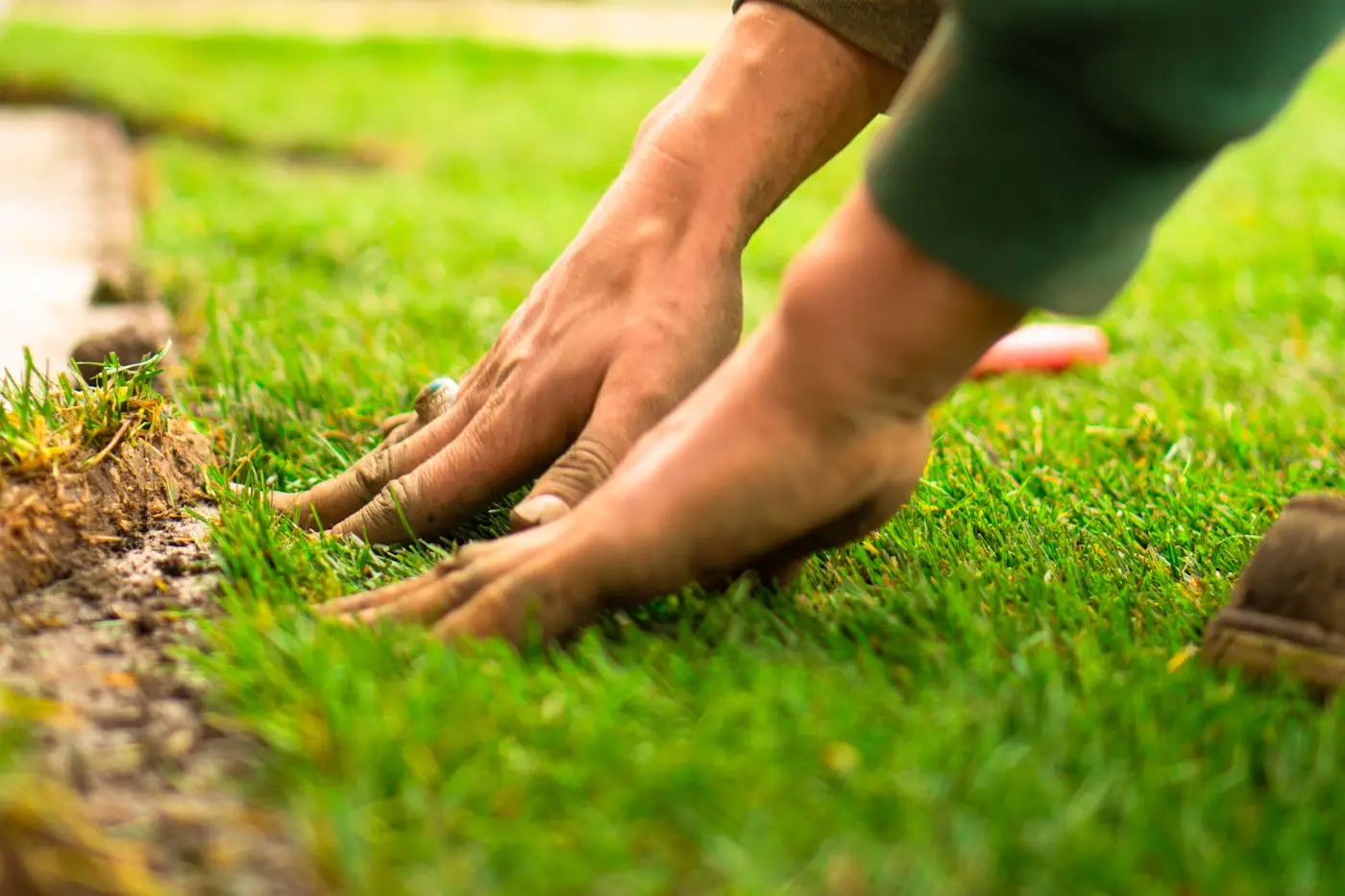
Lawn treatment is one of those services where the price range looks very wide until you understand what is actually included. A single moss treatment visit and a full annual programme covering four to five visits are both called "lawn treatment" but they are completely different propositions at very different prices. Yorkshire lawns in particular tend to need more treatment attention than gardens in drier southern counties, because the combination of clay soil, higher rainfall, and shorter frost-free growing windows creates ideal conditions for moss and compaction.
The quick answer: A single lawn treatment in Yorkshire costs £45-150 depending on treatment type and lawn size. A full annual programme covering 4-5 treatments runs £200-500 for a medium lawn.
How much do lawn treatments cost in Yorkshire in 2026?
| Treatment type | Small lawn | Medium lawn | Large lawn |
|---|---|---|---|
| Moss treatment only | £40-60 | £60-90 | £85-130 |
| Spring feed and weed control | £45-70 | £65-100 | £90-155 |
| Autumn scarify and overseed | £80-150 | £120-200 | £180-300 |
| Full annual programme | £200-350 | £300-500 | £450-700 |
Small lawn: up to around 40 sqm (typical terraced house back garden). Medium lawn: 40-100 sqm (typical semi-detached or detached). Large lawn: 100+ sqm. These prices assume standard treatment products and a lawn in reasonable condition at the start. Severely neglected or heavily thatched lawns may attract a higher quote for the first round of treatment.
Why do Yorkshire lawns need more treatment than other regions?
Yorkshire soil is predominantly clay-based across most of the county. Clay soil compacts under foot traffic, holds water in winter and cracks in dry summers, and drains poorly. This creates ideal conditions for moss, shallow grass roots, and the kind of bare patches that appear every autumn and never seem to fill in.
The county's rainfall is also higher than the national average, particularly in West Yorkshire and the southern Pennines. A wet spring followed by a wet autumn is the standard Yorkshire weather pattern, and that sustained moisture keeps moss thriving for months at a time. Gardens at higher elevation around the North York Moors, the Pennine hills, and the Dales edge face additional challenges: a shorter frost-free growing season that compresses the window for treatments and recovery.
None of this means Yorkshire lawns are hopeless. It does mean they respond well to treatment when it is correctly timed and the right products are used for clay conditions. A well-treated Yorkshire lawn can be as good as anywhere in the country. It just takes a bit more effort.
Should I treat my Yorkshire lawn in spring or autumn?
Spring treatments (March-May)
Spring treatment is focused on feeding the lawn as it comes back into growth and dealing with any weeds or moss that have established over winter. A typical spring visit includes a granular or liquid nitrogen-rich fertiliser to push green growth, a selective broadleaf weedkiller (mosskiller if required), and a general health assessment of the lawn. The timing is important: too early (January or February) and the ground is too cold for the products to work; too late (June onward) and you are putting nitrogen on a lawn that will soon be under summer heat stress.
For Yorkshire lawns, late March to mid-April is the sweet spot for spring treatment. The soil temperature needs to be above 5-7 degrees for most granular fertilisers to activate, which in Yorkshire typically means waiting until the last week of March in a normal year.
Autumn treatments (September-October)
Autumn is the most important treatment window for Yorkshire lawns, and the one that most homeowners skip. Scarification in September or early October removes the thatch layer that accumulates over the summer, opens up compacted soil, and dramatically improves drainage. Overseeding immediately after scarification fills in thin and bare areas before winter. A slow-release autumn feed then supports root development through the cooler months.
The reason autumn matters more in Yorkshire than in southern England is recovery time. A lawn scarified in Yorkshire in late September has 6-8 weeks before the first frosts arrive in most areas. That is enough time for new grass to establish to a point where it can survive winter. Scarification in November is too late for the same recovery.
For more detail on the scarification part of the autumn programme, see our guide to when to scarify your lawn in Yorkshire.
Is DIY or professional lawn treatment better value in Yorkshire?
This is worth an honest comparison rather than just defaulting to "hire a professional."
DIY lawn treatment products are readily available and genuinely work if you get the timing right and apply at the correct rate. A spring feed and weed treatment kit from a garden centre costs £20-35 for a medium lawn. A moss treatment (iron sulphate-based) costs £15-25. An autumn fertiliser costs £20-30. Total DIY spend for a basic spring and autumn treatment: roughly £60-90 per year.
Where professionals add value is timing and rate. Most homeowners apply lawn treatments when it is convenient rather than when conditions are right, and they often under-apply to make the product go further. Both reduce effectiveness. A professional who has done thirty Yorkshire lawns this season knows that this particular April is cold enough to delay the spring feed by two weeks, and applies at the right rate because they buy in bulk and are not rationing a small bag.
The maths on a professional programme: £300-400 per year for a medium lawn versus £60-90 DIY. The professional adds value if they get better results more consistently. For lawns with persistent moss or bare patches that DIY products have not fixed, the professional route is usually worth it. For a reasonably healthy lawn that just needs maintaining, DIY is a legitimate choice.
For moss treatment specifically, see the full lawn moss treatment guide for Yorkshire for product options and timing advice.
The timing problem with DIY
Most DIY lawn treatment errors come from applying in the wrong conditions: fertiliser applied in drought (scorches the lawn), mosskiller applied when it is too cold (does not activate), overseeding done too late in autumn (new grass does not establish before frost). Getting timing right is what professionals are actually selling, as much as the products themselves.
Is a lawn treatment programme worth the annual cost?
A professional four-treatment annual programme costs roughly £300-500 for a medium Yorkshire lawn. Set against this:
- DIY products for the same treatments: £60-90 per year
- One-off professional scarification if DIY is not keeping moss and thatch in check: £120-200
- Lawn repair work (patching bare areas, overseeding): £80-150 every few years
A well-run annual programme reduces the need for expensive remedial scarification and repair work. Over 3-5 years, a consistently treated lawn costs less in catch-up work than a lawn that only gets attention when problems are obvious. Whether that makes it "worth it" depends on how much the lawn matters to you. If the answer is "quite a lot," a professional programme is good value. If the answer is "it just needs to be vaguely green," DIY maintenance will do fine.
For the lawn care service overview, see the lawn treatment service page and the lawn scarification service page.
Get a lawn treatment quote.
60-second assessment. A Yorkshire lawn care specialist can take your enquiry and call you with a programme price for your specific lawn.
Start the assessmentFrequently asked questions
How much does lawn treatment cost in Yorkshire?
A single lawn treatment in Yorkshire costs £45-150 depending on the treatment type and lawn size. A full annual programme covering 4-5 visits runs £200-500 for a medium lawn. Moss treatment alone starts around £40-60 for a small lawn. The most expensive single treatment is a full autumn scarify and overseed at £120-300 for a medium lawn.
When is the best time to treat a Yorkshire lawn?
Spring (late March to mid-April) for feeding, weed control, and moss treatment. Autumn (September-October) for scarification, aeration, overseeding, and slow-release feeding. The autumn window is more important for Yorkshire lawns because of clay soil, higher rainfall, and the moss conditions that persist through wet winters.
What is included in a lawn treatment?
Depends on the treatment. Spring: fertiliser and selective weedkiller. Moss treatment: iron sulphate or similar product to kill and blacken moss before raking out. Autumn programme: scarification, aeration, overseeding, and autumn feed. Full annual programme: typically 4 treatments covering spring, early summer, autumn, and winter preparation.
How long does a lawn treatment take?
A basic fertiliser or moss treatment visit takes 20-45 minutes for a medium lawn. A full autumn scarify and overseed takes 1-3 hours. Recovery time matters more than visit time: expect 2-4 weeks of rough appearance after scarification before new grass establishes, and 4-6 weeks for a spring treatment to show clearly visible results.
Why does my Yorkshire lawn have so much moss?
The usual combination: clay soil that holds water, shade from structures or trees, compaction from foot traffic, low pH, and Yorkshire's higher rainfall. Moss treatment deals with the symptom; scarification and aeration deal with the underlying conditions. Treating moss repeatedly without improving drainage and reducing compaction will not provide lasting results.
Is a professional lawn treatment programme worth it?
For lawns with persistent moss, thin patches, or poor colour that DIY products have not fixed, yes. The cost is £300-500 per year for a medium lawn versus £60-90 DIY, but the professional delivers better timing, correct application rates, and reduces the need for expensive remedial work. For a healthy lawn that just needs basic maintenance, DIY is a legitimate alternative.
How much does lawn scarification cost in Yorkshire?
Lawn scarification in Yorkshire costs £80-150 for a small lawn (up to 40 sqm) and £120-200 for a medium lawn (40-100 sqm). Large lawns over 100 sqm run £180-300. September or early October is the best window in Yorkshire, giving 6-8 weeks for recovery before the first frosts. Scarification is almost always combined with overseeding and an autumn feed.
How much does moss treatment cost in Yorkshire?
Moss treatment in Yorkshire costs £40-60 for a small lawn and £60-90 for a medium lawn. The treatment uses an iron sulphate application that kills and blackens moss within 7-14 days. Yorkshire lawns are particularly prone to moss due to clay soil, higher rainfall, and shade. Treating moss without addressing compaction and drainage will only provide temporary relief.
How do Yorkshire lawn treatment prices compare to the UK average?
Yorkshire lawn treatment prices run roughly 20-30% below the UK national average. A spring feed and weed treatment that costs £80-100 nationally runs £65-90 in Yorkshire. A full autumn programme costing £300-500 nationally runs £200-400 in Yorkshire. The difference reflects lower labour costs, not any difference in product quality.
Related articles
- Lawn treatment service in Yorkshire
- Lawn scarification service in Yorkshire
- Lawn mowing service in Yorkshire
- Garden maintenance across Yorkshire
- How much does a gardener cost in the UK
- Gardener hourly rate UK 2026
- Grass cutting cost in Yorkshire 2026
- Lawn moss treatment in Yorkshire: full guide
- Autumn garden care in Yorkshire
- Lawn fertiliser guide for Yorkshire
Find a lawn treatment specialist near you
We cover the whole of Yorkshire. Click through to your town for local pricing and availability, or search all Yorkshire towns: