If you're pricing raised beds in Leeds, Bradford, or Wakefield, local garden builders can quote on materials and installation together, and advise on depth and soil mix for growing on Yorkshire clay.
The quick answer: a small DIY raised bed made from a timber kit costs £50-120 in materials. A professionally built timber bed costs £200-400. A sleeper bed runs £350-600. Brick or stone raised beds cost £400-800 per m2 of wall. On top of those structure costs, add soil fill - typically £40-120 per m3 delivered for a topsoil-compost mix, and most vegetable beds need 0.2-0.5m3 per bed. So a single professionally-built sleeper vegetable bed, properly filled and ready to plant, typically costs £500-900 all-in.
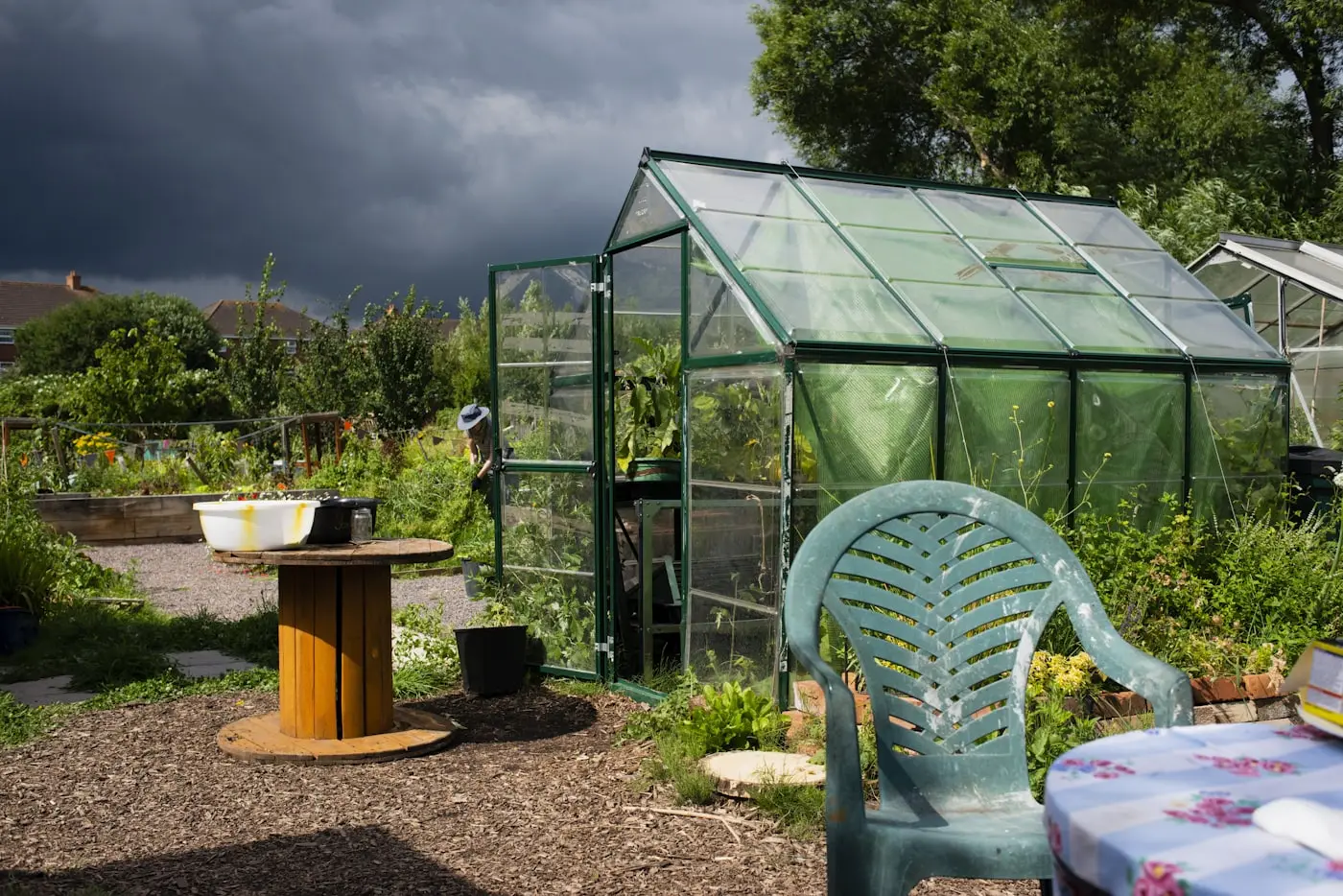
Raised beds are genuinely popular in Yorkshire for a specific and practical reason: much of the county sits on heavy clay subsoil that is nutritious but drains poorly, compacts under foot traffic, and sets like concrete in dry summers. Growing vegetables directly in Yorkshire clay is frustrating. Raised beds filled with free-draining growing mix completely bypass the clay problem - you are essentially creating your own ideal growing environment above ground level, independent of whatever is underneath.
Raised Bed Cost Table: Yorkshire 2026
| Bed type and size | DIY cost | Professionally built |
|---|---|---|
| Small timber kit (1.2m x 0.6m x 20cm) | £50-120 | £150-250 inc. installation |
| Medium timber bed (1.5m x 0.6m x 30cm) | £80-160 | £200-400 |
| Sleeper bed (1.8m x 0.9m x 30cm) | £150-280 | £350-600 |
| Brick or stone wall bed (per m2 wall) | n/a (requires bricklaying skill) | £400-800/m2 of wall |
All prices are for the structure only. Add soil fill cost separately - see the soil fill section below. Professional prices include site preparation, construction, and basic levelling. They do not include delivery of materials to your garden if access is difficult.
Why Yorkshire Clay Makes the Case for Raised Beds
It is worth understanding what you are working against. The dominant soil type across most of West Yorkshire (Bradford, Leeds, Wakefield, Huddersfield), South Yorkshire (Sheffield, Barnsley, Doncaster, Rotherham), and the Vale of York is heavy clay or clay loam. Clay soil has several properties that make traditional vegetable growing difficult:
- Poor drainage - it holds water after rain, leaving ground waterlogged for days or weeks
- Slow to warm in spring - clay takes 2-4 weeks longer than sandy soil to reach a workable temperature, shortening the growing season
- Compacts easily under foot traffic - once compacted, the surface becomes almost impermeable
- Bakes hard in dry summers, cracking and becoming difficult to work
- Sticks to tools and boots, making cultivation laborious
Raised beds filled with a topsoil-compost mix sidestep every one of these problems. You never walk on the growing surface (beds are 1.2m wide maximum, reachable from the side), so compaction does not happen. The free-draining growing mix sheds excess rain water. It warms faster in spring because it is above ground level and drains faster. You fill it with whatever you want, not whatever is in the ground.
The practical result in Yorkshire is a growing season that starts 2-4 weeks earlier and extends 2-3 weeks later into autumn compared to growing in unimproved clay. For a kitchen garden in the north of England, where the growing season is already shorter than the south, this matters significantly.
The no-dig advantage on Yorkshire clay
Raised beds pair perfectly with the no-dig growing method - adding compost to the surface each season rather than digging it in. On clay, no-dig is particularly effective because it avoids repeatedly breaking down the soil structure and creating a "cultivation pan" just below digging depth. Once your raised beds are established and filled with good growing mix, the annual routine is: top-dress with 5-10cm of compost in autumn or spring, plant through it, and harvest. The worm population builds rapidly in undisturbed raised bed soil and does the mixing work for you. See our raised bed vegetable garden guide for Yorkshire for the full growing approach.
Material Options: Which Is Best for Yorkshire?
Pressure-treated softwood
The most common and accessible material for DIY and professionally built raised beds. Boards of 47x150mm or 47x200mm pressure-treated pine or spruce, fastened to corner posts, make a solid bed for £80-160 in materials for a 1.5m x 0.6m bed.
For food growing, always use UC3 or UC4 specified pressure treatment - these are safe for contact with food-growing soil. Older CCA-treated timber (often green-coloured, pre-2004) should not be used for vegetable beds as it contains arsenic-based preservatives. Modern treated timber (tanalised with TBTN or copper azole) is considered safe for food growing by the Royal Horticultural Society.
Expected lifespan in Yorkshire's damp climate: 10-15 years for UC3/UC4 treated boards. Untreated softwood lasts only 5-8 years. Scaffold boards - 47x225mm reclaimed or new, pressure treated - are a popular and cheaper option (approximately £8-15 per board) and last 7-12 years.
Oak and hardwood sleepers
Sawn or rough-cut oak sleepers (typically 200x100mm or 200x125mm) are the premium timber option for raised beds in Yorkshire. Oak is naturally durable - it does not need preservative treatment and develops a beautiful silver patina as it weathers. Lifespan in soil contact: 20-25 years or more.
New oak sleepers cost £20-45 per linear metre depending on size and grade. A 1.8m x 0.9m bed two sleepers high (60cm total) needs about 9 linear metres of sleeper - roughly £180-400 in materials alone. The weight is significant (a 2.4m oak sleeper weighs 50-80kg), which makes DIY handling difficult but means the finished bed is very solid and unlikely to move. Many Yorkshire landscapers build sleeper beds as a standard service.
Reclaimed railway sleepers are attractive for a rustic look. However, original old railway sleepers are impregnated with creosote, which is now classified as a hazardous substance and should not be used for food growing. New or softwood sleepers treated with modern preservatives, or naturally durable hardwood sleepers, are the food-safe option.
Corrugated steel and Corten steel
Corrugated galvanised or Corten weathering steel raised beds have become popular over the last 5 years. They look distinctive, are effectively permanent (steel beds last 30-50+ years with the rusted patina actually protecting the metal), require zero maintenance, and can be formed into curved or circular shapes that timber cannot match easily.
The cost is higher than timber: a 1.5m x 0.6m x 45cm Corten steel raised bed kit costs £150-300 for the panels alone. Assembly is straightforward - panels bolt together with no tools beyond a screwdriver. There is no concern about leaching of chemicals (unlike some treated timber debates) and the thermal mass of metal warms the soil quickly on sunny days.
The main consideration for Yorkshire: steel beds in north-facing, shaded positions can drip condensation on the outside face and stay damp, which does not affect the growing inside but can stain adjacent hard surfaces. Position with some air circulation around the outside if possible.
Brick and stone
Brick-built raised beds are the most permanent and formal option. They suit cottage gardens, kitchen gardens, and properties with existing brick or stone features. The thermal mass of brick warms the growing medium faster in spring - a genuinely useful property in Yorkshire's cool climate.
Cost is higher: professional bricklaying for a raised bed wall at 30cm height costs £400-600 per m2 of wall face. A 1.5m x 0.6m bed with 4 walls costs roughly £400-700 for the structure in brick. Yorkshire stone (limestone or sandstone) costs similarly. For a significant kitchen garden installation with multiple stone beds, costs can reach £5,000-15,000+ for a premium walled bed layout.
Brick beds are not a standard DIY project unless you have bricklaying experience - poorly laid brick walls lean and crack after a few Yorkshire winters of frost.
Ideal Dimensions for Raised Beds
Getting the dimensions right matters for long-term usability:
Width: 1.2m maximum
The single most important dimension. 1.2m (4 feet) is the maximum width that allows you to reach the centre from either side without stretching awkwardly. If your bed is only accessible from one side (against a wall or fence), reduce to 60-75cm. The no-stretch rule exists to prevent you ever stepping onto the growing surface, which is the whole point of a raised bed - permanent non-compaction.
Depth: 30cm minimum for vegetables
20cm is sufficient for salad leaves and shallow-rooted crops. 30cm suits most vegetables well - tomatoes, courgettes, chard, brassicas, beans, peas. 45-60cm is needed for deep-rooting crops like parsnips, beetroot, and carrots if you want straight roots rather than forked ones. Most standard raised beds are built at 30cm height, which gives adequate root depth for the majority of kitchen garden crops. If you are building at 30cm above ground level, roots can extend into the soil beneath, so effective root depth is greater than the bed height suggests.
Height for accessibility
If the beds are for someone with mobility difficulties or to avoid excessive bending, building at 60-75cm height creates a more accessible working height. At 75cm, the bed can be worked from a seat. This increases both the material cost (taller walls) and the volume of fill needed - a 1.5m x 0.6m bed at 75cm height needs approximately 0.68m3 of growing mix, roughly double the amount needed for a 30cm bed.
Length: practical and flexible
Length is not constrained ergonomically - walk to the end and work from the side at any point. Common lengths are 1.2m, 1.5m, 1.8m, and 2.4m (matching standard timber lengths to minimise waste). For a kitchen garden, three to four beds of 1.2m x 2.4m gives enough space to practice crop rotation across four groups (brassicas, roots, alliums, legumes) without the groups returning to the same bed within a 4-year cycle.
Soil Fill: What to Put in and What It Costs
The growing mix is as important as the structure. Yorkshire gardeners have a specific advantage here: there are several good bulk topsoil suppliers in the county, and buying in bulk is significantly cheaper than bags.
The recommended mix for Yorkshire raised beds:
- 60% screened topsoil - ensures structure, weight, and mineral nutrients
- 30% peat-free compost or well-rotted farmyard manure - adds organic matter, water retention, and fertility
- 10% sharp sand or horticultural grit - improves drainage (useful given Yorkshire's rainfall)
Do not fill with pure compost or potting mix. Pure compost sinks dramatically as it decomposes, leaving beds looking half-empty within one season. The topsoil component provides stability and bulk.
Soil fill cost in Yorkshire 2026
| Material | Cost per m3 (bulk delivery) | Notes |
|---|---|---|
| Screened topsoil | £30-60/m3 | Quality varies - ask for "BS 3882 conforming" topsoil |
| Composted farmyard manure | £25-50/m3 | Widely available in rural Yorkshire |
| Peat-free compost (bagged) | £80-140/m3 equivalent | 60L bags at £8-12 each; less economical at scale |
| Blended raised bed mix | £60-120/m3 | Pre-mixed topsoil/compost blends from local suppliers |
The maths for a typical setup: four raised beds each 1.2m x 2.4m x 30cm need 4 x (1.2 x 2.4 x 0.3) = 3.46 m3 of growing mix. At £80/m3 for a blended mix, that is roughly £277 in soil plus delivery (typically £30-60 for local bulk delivery). Four beds fully filled and ready to plant: approximately £300-350 in growing medium.
Sourcing topsoil in Yorkshire
Yorkshire has several good local topsoil suppliers offering bulk bag and tipper delivery - far cheaper than buying bagged compost from garden centres for any quantity over 1m3. Ask specifically for "screened topsoil" and ideally BS 3882 conforming - this ensures minimum weed seed and organic matter content is specified. Avoid "unscreened soil" which can contain weed seeds, rubble, and variable clay content. Local suppliers in West Yorkshire, South Yorkshire, and the East Riding typically deliver within 5-10 miles at £40-60 delivery for a tipper load. See our topsoil guide for Yorkshire for supplier recommendations and what to look for.
DIY vs Professional: When Does It Make Sense to Build Your Own?
For timber and scaffold board raised beds, DIY is entirely practical and saves meaningful money:
- A small 1.2m x 0.6m x 30cm bed from 47x150mm pressure-treated boards: £50-80 in materials, 1-2 hours to build
- A 1.8m x 1.2m x 30cm bed: £100-150 in materials, 2-3 hours
- Multiple beds: the skills are simple (marking out, cutting boards to length, fastening to corner posts), and a small set of basic tools handles it
Professional building makes sense when:
- You want sleeper beds (heavy materials, requires lifting equipment or two people)
- You want brick or stone beds (requires bricklaying skill)
- You have multiple beds and want them built quickly in a single day's work
- You want soil delivery, placement, and levelling all done at the same time as part of a garden makeover
A landscaper building 3-4 timber raised beds as part of a garden renovation day will typically charge £300-500 labour on top of materials. If you can build them yourself in a weekend, that saving is real - but only if you have the time and inclination.
Maintenance and Lifespan by Material
| Material | Typical lifespan | Maintenance |
|---|---|---|
| Pressure-treated softwood | 10-15 years | None required - treat annually for longer life |
| Scaffold boards (pressure-treated) | 7-12 years | None required |
| Oak sleepers | 20-25 years | None required - silver patina develops naturally |
| Corrugated/Corten steel | 30-50+ years | None required - Corten patina is protective |
| Brick or stone | Effectively permanent | Repoint mortar joints every 10-15 years |
Annual maintenance is primarily to the growing mix, not the structure: top-dress with 5-10cm of compost each autumn or spring. This replaces the organic matter that has been consumed by plants and soil biology over the growing season. In Yorkshire's wet climate, the organic matter component breaks down faster than in drier areas, so annual top-dressing is more important here than in the south.
Frequently Asked Questions
How much does a raised bed cost in Yorkshire?
DIY small timber kit: £50-120. Medium professionally built timber bed: £200-400. Sleeper bed: £350-600. Brick or stone: £400-800 per m2 of wall. Add soil fill: £40-120 per m3 delivered. A single fully-filled professionally-built sleeper bed, ready to plant, typically costs £500-900 all-in.
Why are raised beds good for Yorkshire gardens?
Yorkshire clay drains poorly, warms slowly, and bakes hard in dry summers. Raised beds filled with topsoil-compost mix bypass the clay entirely - free-draining, warm faster in spring, easy to work, and never compacted because you never walk on them. The growing season effectively starts 2-4 weeks earlier than in unimproved clay.
What is the best width for a raised bed?
1.2m maximum, so you can reach all parts from either side without stepping in. If the bed is against a wall or fence and accessible only from one side, 60-75cm is the comfortable maximum. Never step on the growing surface - the whole point is permanently loose, uncompacted soil.
What depth do raised beds need to be for vegetables?
30cm is the working minimum for most vegetables. Salad crops can manage in 20cm. Deep-rooting crops (parsnips, beetroot, carrots) benefit from 45-60cm. At 30cm above ground level, roots can also extend down into the soil beneath, adding effective depth.
What soil should I fill raised beds with in Yorkshire?
A 60/30/10 mix of screened topsoil, peat-free compost, and horticultural grit. Do not use pure compost (it collapses and depletes fast). Do not fill with your existing Yorkshire clay (defeats the purpose). Bulk topsoil delivered in Yorkshire costs £30-60/m3. Top-dress with 5-10cm of compost each year. See our topsoil guide for sourcing.
Do I need planning permission for a raised bed in Yorkshire?
No. Raised beds at normal heights (30-75cm) are garden improvements that do not constitute a structure for planning purposes. No permission needed anywhere in Yorkshire for domestic garden raised beds.
What is the best size for a raised bed vegetable garden?
1.2m is the maximum width if you are accessing from one side only; 1.2m wide if you can access from both sides, allowing you to reach all parts without stepping on the growing surface. Minimum depth for vegetables is 20-25cm; 30cm is ideal for most crops; 45-60cm for deep-rooting vegetables like parsnips and beetroot. Length is flexible - 1.5-2.4m is typical for a manageable single bed. For a productive kitchen garden in a Yorkshire back garden, 3-4 beds each 1.2m x 2.4m x 30cm gives a usable growing area for a household's vegetable needs.
What are the best materials for raised beds in Yorkshire?
Pressure-treated softwood is the most cost-effective choice for most Yorkshire gardeners - it is cheap, easy to work with, and lasts 10-15 years. Oak sleepers are the premium timber option, looking better as they age and lasting 20+ years. Corrugated steel (Corten weathering steel or galvanised) is increasingly popular - it is permanent, looks distinctive, and requires no maintenance. Brick raised beds suit formal cottage and walled garden styles, and the thermal mass of brick actually warms the growing medium faster in spring - useful in Yorkshire's cool climate. Avoid tanalised timber treated with older preservatives for edible crops; use UC3 or UC4 specified timber for food growing.
Related reading
- Raised bed vegetable garden Yorkshire - what to grow and when
- Growing vegetables in Yorkshire - full seasonal guide
- Topsoil in Yorkshire - what to buy and where to source it
- Garden maintenance service - ongoing bed maintenance and top-dressing
Ready to set up your Yorkshire kitchen garden?
We build raised beds, source and fill with growing mix, and set up ongoing maintenance across Yorkshire gardens.
Get a free assessment