What garden design looks like in Acomb
Acomb is the largest suburb on the west side of York, sitting between the outer ring road and the Ouse, roughly two miles from the city centre. The YO26 postcode covers a wide range of property types - from the Victorian and Edwardian streets close to Acomb Road and Front Street, through the inter-war semis, to the larger post-war and modern estates on the western fringe toward Poppleton and Askham Richard. Each has a different garden character and different starting conditions for a designer.
The soil in Acomb is noticeably different from the heavy alluvial clay that dominates the eastern and southern York suburbs. Here you are mostly on sandy Vale of York loam over glacial sand and gravel deposits. The soil drains more freely and warms up faster in spring, which is broadly good for gardening - but it also dries out faster in summer, and if your plot is on the lighter end, borders can struggle without consistent mulching and some added organic matter to hold moisture. A designer who knows York soils will advise on this before you spend money on plants that will fail in a dry July.
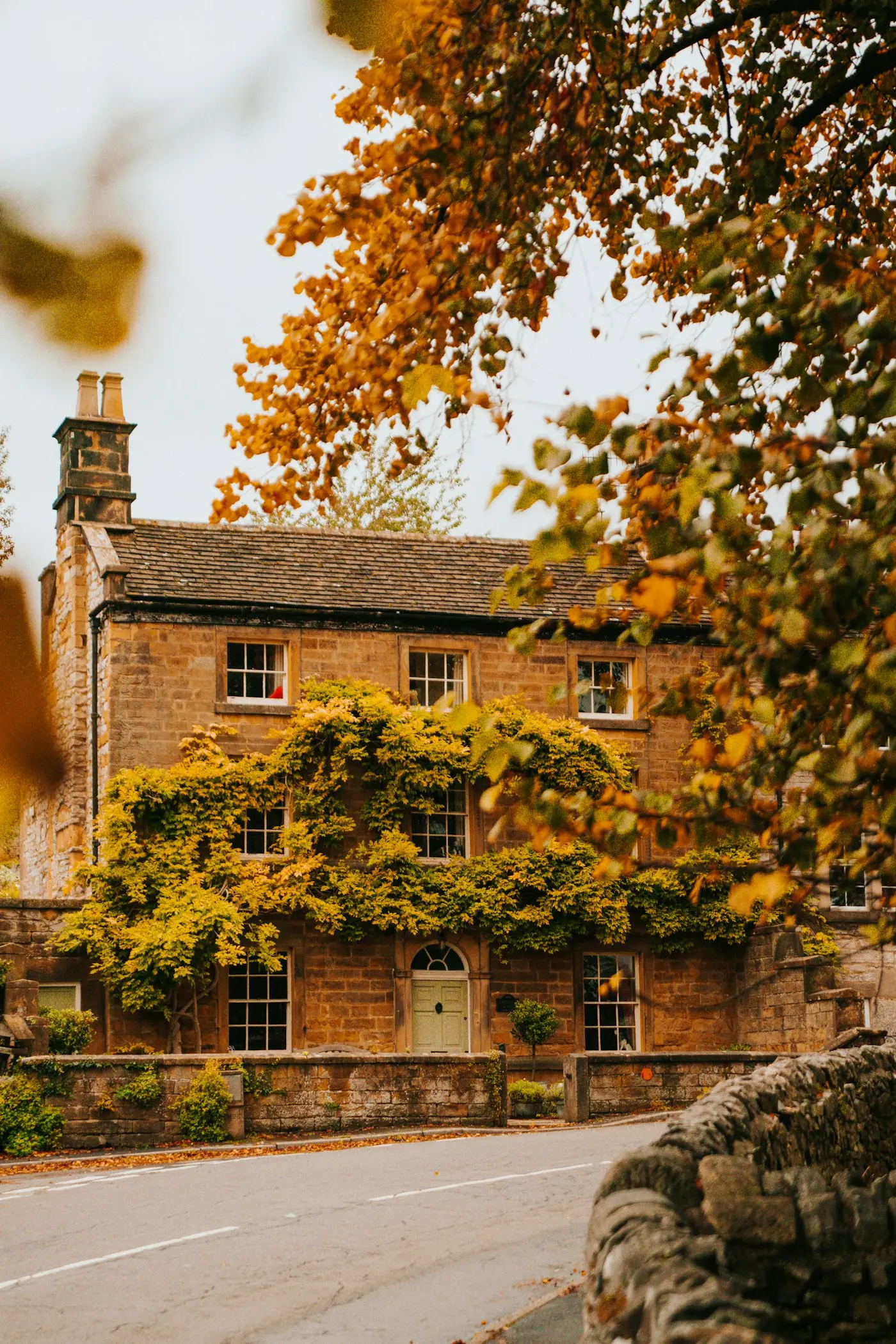
The Victorian and Edwardian parts of Acomb - roughly the streets around Acomb Road, Boroughbridge Road and the older residential core - tend to have larger rear gardens, original boundary walls or brick boundaries, and often some established planting that has been there for decades. These are the plots where mature fruit trees, old rose arches, established herbaceous borders and period path layouts still exist. A redesign here is rarely about stripping everything out. It is about understanding what the garden already has, deciding what is worth keeping as the structural backbone, and planning new planting around the existing framework.
Victorian and Edwardian garden restoration
The older residential streets in Acomb were developed between the 1880s and 1930s and many of the gardens retain original features - brick paths, original soil that has been cultivated for over a century, established boundaries, and sometimes mature trees that predate the houses. This long history of cultivation means the soil quality in these older gardens is often better than you might expect: more organic matter, better structure, and a wider seed bank of garden plants that keep returning.
Restoration work on these plots typically involves selectively removing old woody shrubs that have outgrown their space, carrying out tree surgery on overgrown specimens, renovating or replacing hard paths and paving, and replanting borders with a palette that respects the period character. Climbing roses on walls, formal box or yew hedging, and traditional cottage-garden perennials (delphiniums, lupins, phlox, peonies) suit the Victorian aesthetic. A designer who understands the period character of Acomb streets will help you create a garden that feels right for the house as well as for the way you use it.
New-build and post-war plots on the western edge
The newer estates west of the ring road toward Askham Richard and Poppleton have very different starting conditions. Many of these plots were agricultural land until the 1980s or 1990s, and the topsoil is thinner and less developed than in the older parts of Acomb. Developers frequently strip and replace topsoil during construction, leaving something that drains unevenly and compacts easily. If your garden came with the house and you have never had it assessed, a site visit from a designer to evaluate what you are working with is a worthwhile first step before committing to planting.
On new-build plots the typical brief is to create a usable, attractive garden from what is essentially a blank canvas. Patio design and installation, defining lawn areas, creating borders, planting for structure and privacy, and adding lighting are the most common elements. A patio laying project is often the first piece of hard landscaping that defines the rest of the design. Getting the levels and drainage right at this stage saves problems later. A designer who can coordinate the hard landscaping and the planting as a single project will save you time and the frustration of having a patio that does not work with the borders.
Mature gardens needing a refresh
A large category in Acomb is well-established gardens - perhaps 20 or 30 years old - that have lost their way. Shrubs have become too large, borders have been overtaken by the same few plants, trees are shading everything, and the lawn is tired. These gardens often have good bones: established structure, privacy planting that works, and sometimes excellent soil. The design task is renewal rather than starting over. Selective removal, renovation pruning, replanting specific areas, and perhaps improving the hard landscaping in one or two key spots will transform the garden for much less cost than a full makeover.
If you have a mature garden in this category, the most useful first step is a planting assessment - a designer visiting to identify what is worth keeping, what needs to come out, and what the overall strategy should be. This is different from a full design commission and typically costs £150-400. It gives you a clear picture of what your garden needs before you spend money on plants or contractors.
Cost ranges for Acomb garden design
These are typical price ranges for planning purposes. Designers quote directly after a site visit, so treat these as guides rather than fixed prices.
| Service |
Cost range |
| Planting plan only |
£300-800 |
| Planting plan with implementation |
£600-1,500 |
| Full design and project management |
£800-3,000+ |
| Border replant (up to 10 sqm) |
£150-400 |
| Patio design and installation |
£2,000-8,000 |
| Full garden makeover (50-100 sqm) |
£5,000-15,000+ |
Hourly rates for a garden designer in Yorkshire typically run £50-120 per hour depending on experience and the scope of work. A consultation visit to assess a specific problem or give advice on replanting is usually £150-250 for the visit itself. Hard landscaping, tree surgery, and fencing are quoted separately by contractors. See our overview of garden design services for more detail on what is included at each level.
Get a free Acomb garden estimate
Tell us what you want from the garden and we put your enquiry in front of local designers who quote directly. No call centre fees on your side.
Get a design estimate
The full local guide
Plants that perform in Acomb's sandy loam
The lighter sandy loam in Acomb is a good growing medium for a wide range of plants, but the key challenge is moisture retention in summer. Organic matter - added as well-rotted compost or bark mulch - significantly improves the soil's ability to hold water and makes the difference between borders that look great all season and those that start flagging in July.
Plants that cope well without constant irrigation include drought-tolerant perennials (salvias, ornamental grasses, sedums, achilleas, echinacea), shrub roses, hardy geraniums, lavender, catmint, and Mediterranean herbs. These make good border staples. For structural plants, yew and hornbeam hedging root well in the lighter soil and provide the privacy and enclosure that many Acomb gardens need. Ornamental trees including birch, rowan, amelanchier and crab apple suit the soil type and give seasonal interest.
If you want a lush, traditional herbaceous border with moisture-hungry plants like hostas, astilbes, and ligularia, the design needs to account for this by improving soil in those specific borders and positioning them where they get some afternoon shade to reduce water loss. A designer will advise on which palette is realistic for your specific soil and aspect without requiring intensive irrigation.
Common projects in Acomb
Victorian renovation work on the older streets makes up a large part of the Acomb design brief. The gardens are generous by modern standards - often 15 to 20 metres deep with full boundary planting - and have accumulated decades of ad hoc planting decisions. A designer can bring coherent structure back to these spaces while respecting what makes them feel like an established Yorkshire suburban garden rather than a blank showroom garden.
Patio and outdoor living projects are the other major category. Acomb sits close enough to York city centre that many residents use their gardens as outdoor rooms for most of the year when the weather allows. A well-designed patio with integrated planting, lighting and seating makes a real difference to how often you use the garden. Indian sandstone, porcelain, and traditional York stone all suit the area. A designer who coordinates the patio design with the surrounding borders will produce a result that feels intentional rather than having a nice patio surrounded by an afterthought border.
Garden maintenance planning is also a common request - designing a garden that is beautiful but realistic to maintain given how much time you actually have. Low-maintenance design is not about removing all the plants; it is about choosing the right plants, eliminating bare soil that needs constant weeding, and using mulch and ground cover to reduce the maintenance burden. A designer can audit your existing garden and show you specifically what changes would cut your annual maintenance time in half.
How the process works
- Initial brief. You tell us what you want - whether it is a planting refresh, patio design, full garden makeover, or help with a specific problem like a shaded corner or a tree that casts too much shadow.
- Site visit and assessment. The designer visits, walks the plot, assesses your soil and drainage, notes existing plants worth keeping, and discusses your brief. Most designers do this as a free or low-cost initial consultation.
- Proposal and design. You receive a scaled plan with planting list, materials specification, and cost estimate. For design-only commissions this is the deliverable and you implement it yourself or source your own contractors.
- Coordination. For full project management, the designer coordinates any contractors (paving, fencing, tree surgery), orders plants, and manages the installation sequence.
- Installation and establishment. Planting is typically done in autumn or early spring. The designer advises on establishment care, watering during the first summer, and any early maintenance needed to get the planting established.
A planting plan can usually be delivered within one to two weeks of the site visit. A full redesign with installation typically takes four to twelve weeks depending on scale. Planning in autumn for spring installation means you go into the first growing season with everything ready rather than trying to plant while the season is already underway.
Frequently asked questions
What soil do Acomb gardens have?
Acomb sits on sandy Vale of York loam over glacial sand and gravel. The soil drains more freely than central York clay and warms up faster in spring. It suits a wide range of planting but can dry out in summer without mulching and some added organic matter. Older Victorian gardens typically have better-developed soil after decades of cultivation. Newer estates on the western fringe can have thinner, less developed topsoil that needs more improvement work before planting.
How much does garden design cost in Acomb?
A planting plan only typically costs £300-800. Planting plan with implementation runs £600-1,500. Full design and project management costs £800-3,000 or more. A full garden makeover on a 50-100 sqm plot runs £5,000-15,000 depending on materials and scope. Hourly rates for a designer in Yorkshire run £50-120. Designers quote directly based on your brief and site conditions, usually after a free initial visit.
Can a designer work with a mature Victorian garden in Acomb?
Yes. Many older Acomb streets have large Victorian gardens with mature trees, established shrubs and period features worth retaining. A good designer identifies what is worth keeping as structural backbone and redesigns around the existing framework. Mature trees, established hedging and period path layouts are almost always worth retaining rather than starting from scratch.
What plants work well in Acomb's sandy loam soil?
Sandy loam suits drought-tolerant perennials (salvias, ornamental grasses, lavender, rosemary, sedums, achilleas), shrub roses, hardy geraniums and Mediterranean herbs. Structural plants including yew, hornbeam and ornamental trees (birch, rowan, amelanchier) root well. For moisture-hungry plants like hostas and astilbes, improving specific borders with organic matter and positioning them in afternoon shade improves results significantly.
How long does a garden redesign in Acomb take?
A planting plan is typically ready within one to two weeks of the site visit. A full redesign with installation runs four to twelve weeks depending on scale. Planning in autumn for spring installation means you are ready to go at the start of the growing season rather than losing the first year to logistics.
Areas around Acomb we also cover
We match homeowners with designers across the western York suburbs including Bishopthorpe, Copmanthorpe, and Dunnington. For general gardening services, lawn care and maintenance in Acomb, visit the local gardeners in Acomb page. See also our guide to finding a gardener in Acomb.