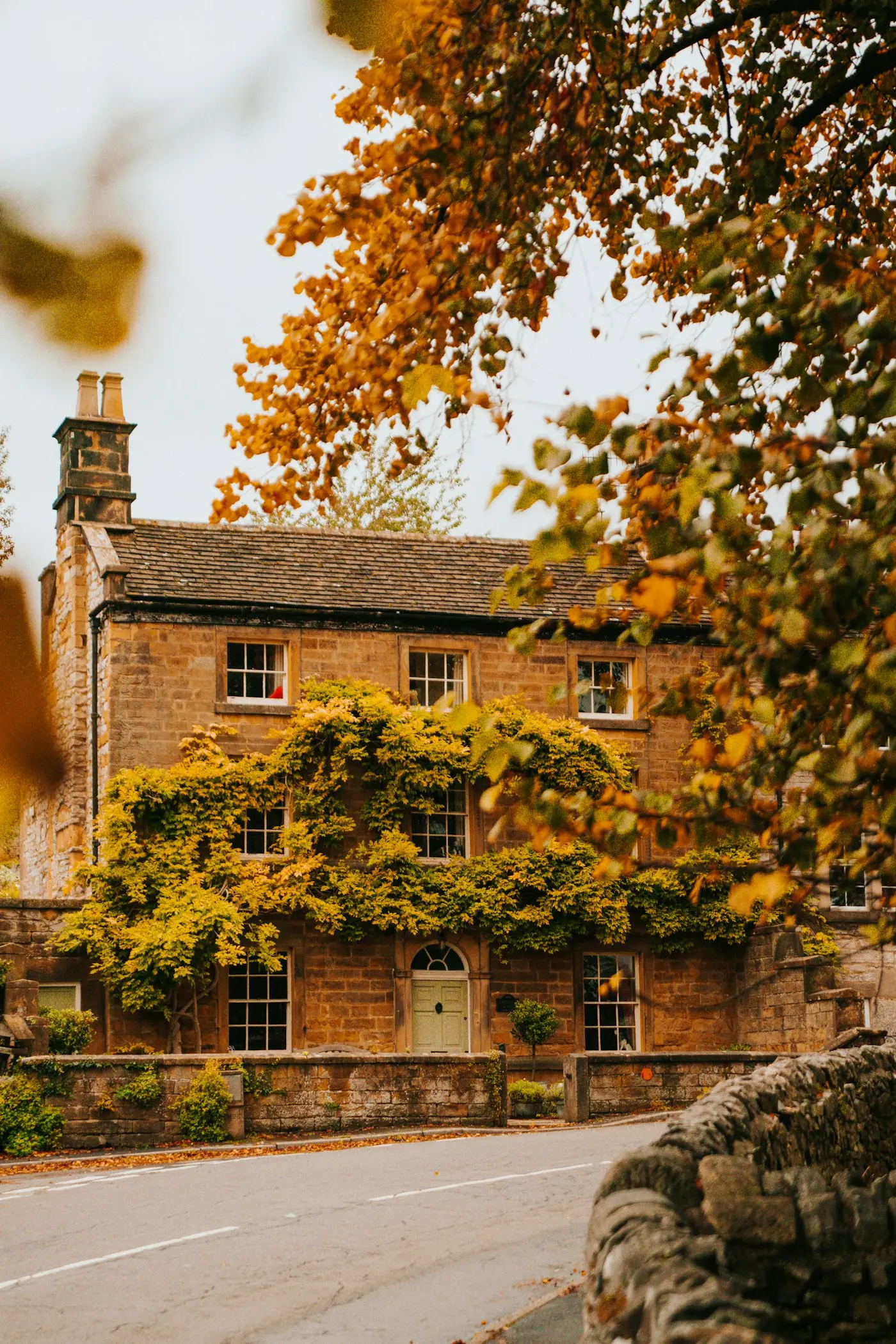
What garden design looks like in Dunnington
Dunnington is a village four miles east of York city centre, consistently rated among the most affluent communities in the York area. Its location between York and the Yorkshire Wolds gives it a village character that has attracted high-earning commuters who want proximity to the city without living in it. The gardens here reflect this: they are generally well-maintained, often large, and in the better cases designed with real ambition. The soil is good Vale of York loam - not the heavy alluvial clay found in the lower-lying York suburbs, but a medium loam that drains reasonably and grows most things well. This is the kind of soil that makes gardening rewarding: fertile, workable, and able to support a wide range of planting. The challenge is maintenance - larger Dunnington gardens need significant time input unless designed for lower maintenance.
Larger village garden design
The larger properties in Dunnington have gardens that merit serious design investment. A garden of 200-500 square metres on good loam soil is capable of achieving something genuinely impressive: structured planting with seasonal interest through the year, a properly designed patio and outdoor dining space, productive kitchen garden, woodland planting under mature trees, and long views down the garden that change character as the seasons progress. A designer working with a larger Dunnington plot will think about the garden as a sequence of experiences rather than a single space - what you see from the house, what you encounter as you move through, and how the planting evolves through the year.
Vale of York loam
Vale of York loam is productive, workable garden soil that responds well to organic matter input and grows a wide range of plants without the challenges of clay or chalk. The main limitation in Dunnington is that the loam can become slightly droughty on higher, free-draining ground in summer - mulching borders in spring significantly reduces this. This soil suits a very wide planting palette: cottage perennials, shrub roses, ornamental grasses, structural hedging, productive fruit and vegetables, and most ornamental trees all establish and perform well. A designer will recommend a palette that suits your aspect and the specific soil conditions on your plot.
High-specification gardens
For the larger, more valuable Dunnington properties, high-specification garden design is a proportionate investment. This means a designer with experience in larger gardens who can coordinate all elements - hard landscaping in natural stone, structural planting for year-round interest, detailed lighting design, productive kitchen garden, water features, and a maintenance plan that defines how the garden is kept looking its best year-round. A garden that matches the quality of the property it surrounds adds value and makes the house genuinely more desirable. The initial design investment for a project of this scale runs £1,500-5,000 for the design phase, with construction costs on top depending on specification.
Cost ranges for Dunnington garden design
| Service | Cost range |
|---|
| Planting plan only | £300-800 |
| Planting plan with implementation | £600-1,500 |
| Full design and project management | £800-3,000+ |
| Border replant (up to 10 sqm) | £150-400 |
| Patio design and installation | £2,000-8,000 |
| Full garden makeover (50-100 sqm) | £5,000-15,000+ |
Garden design consultations in Yorkshire run £50-120 per hour. A site visit costs around £150-250. See our garden design service page for full detail.
Get a free Dunnington garden estimate
Tell us what you want from the garden and we will connect you with local designers who quote directly.
Get a design estimate
The full local guide
Plants that perform in Dunnington gardens
Vale of York loam in Dunnington supports an excellent range of planting. Shrub roses are outstanding on this soil type - the moisture retention and fertility suit them well. Structural hedging (yew, hornbeam, beech) provides the enclosure and formality that suits larger village gardens. For mixed borders, reliable perennials including hardy geraniums, astrantia, phlox, peonies, delphiniums, and salvias perform well. Ornamental grasses provide movement and winter structure. A productive kitchen garden on loam grows vegetables and soft fruit reliably without intensive soil improvement. Mature trees including oak, lime, and ornamental species provide the height that makes a larger garden feel properly planted.
How the process works
- Initial brief. Tell us what you want from the garden - whether it is a planting refresh, patio design, or a full makeover.
- Site visit and assessment. The designer visits, assesses your soil, drainage, existing planting and constraints.
- Design proposal. A scaled plan with planting list, materials specification, and cost estimate.
- Coordination and installation. For full project management, the designer coordinates contractors for paving, fencing, and planting.
- Establishment. Planting in autumn or early spring with advice on watering and maintenance through the first season.
Frequently asked questions
What soil does Dunnington have?
Dunnington has good Vale of York loam - medium, workable, fertile soil that grows most things well. It is better draining and more productive than the heavy alluvial clay found in central and southern York. Annual mulching maintains fertility and reduces summer drought risk.
How much does garden design cost in Dunnington?
A planting plan only costs £300-800. Full design and project management is £800-3,000 or more. For high-specification projects on larger Dunnington plots, the design phase alone can run £1,500-5,000 with construction costs on top. Hourly rates for a designer run £50-120.
What style suits a Dunnington village garden?
The affluent village character suits traditional but polished styles: structured mixed borders, formal hedging elements, quality hard landscaping in natural stone, productive kitchen garden, and planting that provides year-round interest. Dunnington gardens can carry ambition that smaller suburban plots cannot.
Can you design a large Dunnington garden from scratch?
Yes. A larger Dunnington plot with good loam soil is capable of achieving a genuinely impressive garden. A designer will approach it as a sequence of spaces and experiences rather than a single area, using structure, planting, and hard landscaping together.
Do you cover the wider York east village area?
Yes. We connect homeowners with designers across YO19 and the surrounding York area. We also cover Acomb, Bishopthorpe, and Copmanthorpe. Designers quote directly.
Productive gardens in Dunnington
The Vale of York loam in Dunnington is excellent for food growing, and a significant number of the larger village plots include a productive kitchen garden element - raised beds for vegetables, a fruit cage for soft fruit, or a small orchard with apple, pear, and plum trees. This is one of the advantages of good loam soil: it grows vegetables reliably without the drainage problems of heavy clay or the fertility issues of thin gritstone.
A designer can incorporate a productive element into a larger Dunnington garden design without compromising the ornamental character. Raised beds in a kitchen garden area, screened from the main garden by a low hedge or trellis, keep the productive and ornamental areas functionally separate while allowing both to be optimised for their purpose. Fruit trees can be trained as decorative espaliers or cordons against walls or boundaries, providing both food production and visual interest. Even a small productive element - four or five raised beds for salads and herbs adjacent to the kitchen - adds considerably to the enjoyment of the garden.
For the larger Dunnington properties with genuinely generous plots, a designed kitchen garden on the productive side of the garden can be a significant feature in its own right: properly designed raised beds in well-finished timber or railway sleepers, a central path, a small glasshouse or cold frame, a compost bay, and training structures for climbing vegetables and fruit. This is a project that typically costs £2,000-6,000 for the infrastructure and gives many years of productive use. A designer will size and specify it proportionately to the overall garden and the level of productive gardening the household actually wants to do.
Watering provision is worth planning for in a larger Dunnington garden, particularly for productive areas. An outdoor water butt fed from the house downpipes provides free rainwater for vegetable growing (preferable to tap water, which is harder and contains chlorine). An outdoor tap on the house wall makes irrigation practical. For larger gardens, a simple irrigation system for the kitchen garden or polytunnel is a low-cost addition that significantly reduces the time spent watering in dry summers on the loam soil.
Areas around Dunnington we also cover
We match homeowners with designers in Acomb and Bishopthorpe and Copmanthorpe. For general gardening services in Dunnington, visit the local gardeners in Dunnington page. See also our guide to finding a gardener in Dunnington.