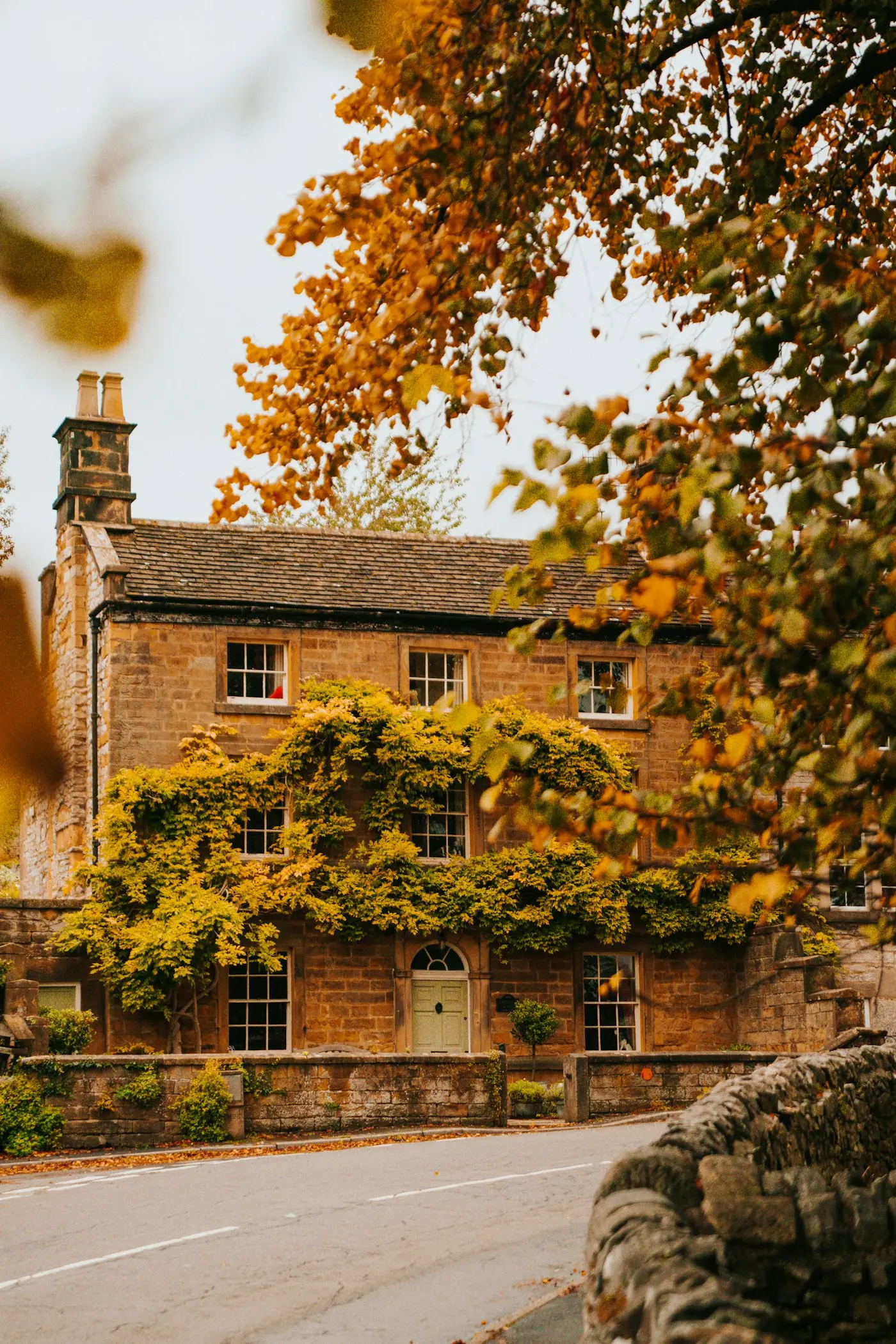
What garden design looks like in Copmanthorpe
Copmanthorpe is a commuter village on the south-western edge of York, roughly five miles from the city centre. The village expanded substantially through the 1980s, 1990s and 2000s with housing developments that attracted York workers wanting village life within reasonable commuting distance. The result is a large residential population in well-built houses with gardens that are generally a reasonable size by suburban standards - typically 80 to 150 square metres of rear garden, which gives real scope for design. The soil is Vale of York clay-loam: heavier and more moisture-retentive than the sandy loam found in Acomb to the north, but not as unworkable as the pure alluvial clay found closer to the Ouse in Bishopthorpe and central York. This is productive garden soil when managed well, and the moisture retention is actually an advantage in summer if the drainage is adequate in winter.
Well-sized commuter village plots
Copmanthorpe's housing stock from the 1980s onwards gave buyers proper gardens - 80 to 150 square metres is typical for rear plots, with some larger detached properties having 200 square metres or more. This is enough space to create genuinely distinct garden zones: outdoor dining patio, productive vegetable or cutting garden, lawn for children, and ornamental borders. A designer working with this scale of plot can create a garden that feels complete and varied rather than having everything crammed into one area. The starting point is usually assessing what proportion of the garden should be hard surface, lawn, and planting, then working out a layout that suits how the household actually uses outdoor space.
Clay-loam soil management
Vale of York clay-loam is a good growing medium when properly managed. The clay fraction holds moisture and nutrients well; the loam component means it has more structure and better drainage than pure clay. The main issues are compaction (particularly on paths and lawn edges where foot traffic concentrates) and slow drainage in wet winters. Annual hollow-tine aeration on lawn areas, generous organic mulching on borders, and avoiding walking on borders in wet weather maintains the soil in good condition. For new planting on a previously unmaintained plot, digging in well-rotted compost before planting significantly improves establishment rates.
Family garden design
Many Copmanthorpe gardens are family gardens where children's outdoor space, productive growing, and adult entertaining need to coexist within the same plot. Good design handles this by zoning deliberately: hard patio nearest the house for dining and entertaining, open lawn for play, defined borders around the edges for planting, and potentially a separate productive area (raised beds, fruit cage, small greenhouse) in a far corner. A designer will ask how you use the garden at different stages of family life - a garden designed for young children needs to adapt as those children grow older, and building some flexibility into the design from the start saves the cost of redesigning in five years.
Cost ranges for Copmanthorpe garden design
| Service | Cost range |
|---|
| Planting plan only | £300-800 |
| Planting plan with implementation | £600-1,500 |
| Full design and project management | £800-3,000+ |
| Border replant (up to 10 sqm) | £150-400 |
| Patio design and installation | £2,000-8,000 |
| Full garden makeover (50-100 sqm) | £5,000-15,000+ |
Garden design consultations in Yorkshire run £50-120 per hour. A site visit to assess your garden costs around £150-250. See our garden design service page for full detail on what is included at each level.
Get a free Copmanthorpe garden estimate
Tell us what you want from the garden and we will connect you with local designers who quote directly.
Get a design estimate
The full local guide
Plants that perform in Copmanthorpe gardens
Clay-loam in Copmanthorpe supports a wide range of planting. For reliable structural plants, viburnum, spiraea, dogwood, ornamental cherries, and crab apples all establish well. Miscanthus and other ornamental grasses add movement and year-round interest. Cottage perennials including hardy geraniums, astrantia, phlox, and rudbeckia perform well on this soil when the drainage is adequate. Shrub roses are excellent on clay-loam - the moisture retention suits them better than purely sandy soil. A well-designed border on this soil, mulched annually and planted with appropriate species, requires minimal input and looks good for most of the year.
How the process works
- Initial brief. Tell us what you want from the garden - whether it is a planting refresh, patio design, low-maintenance borders, or a full makeover.
- Site visit and assessment. The designer visits, assesses your soil, drainage, existing planting and constraints. Most designers offer a free or low-cost initial visit.
- Design proposal. A scaled plan with planting list, materials specification, and cost estimate. For design-only commissions this is the deliverable.
- Coordination and installation. For full project management, the designer coordinates contractors for paving, fencing, and planting.
- Establishment. Planting in autumn or early spring with advice on watering and maintenance through the first season.
Frequently asked questions
What soil does Copmanthorpe have?
Copmanthorpe has Vale of York clay-loam - heavier than sandy loam but with better structure than pure alluvial clay. It holds moisture and nutrients well, is productive when managed properly, and suits a wide range of planting. Annual organic mulching and aeration on lawn areas keeps it in good condition.
How much does garden design cost in Copmanthorpe?
A planting plan only costs £300-800. Planting plan with implementation runs £600-1,500. Full design and project management is £800-3,000 or more. For the larger detached plots in Copmanthorpe, full garden makeovers run £5,000-15,000. Hourly rates for a Yorkshire designer run £50-120.
How do I design a family garden in Copmanthorpe?
Good family garden design in Copmanthorpe zones the space deliberately: hard patio for dining nearest the house, open lawn for play, defined borders around the edges, and a productive area if wanted. A designer will work around how your family actually uses outdoor space and build in flexibility to adapt as children grow older.
What plants work well on Copmanthorpe's clay-loam?
Viburnum, spiraea, dogwood, shrub roses, ornamental cherries, miscanthus, hardy geraniums, astrantia, phlox and rudbeckia all perform well. Clay-loam's moisture retention suits many plants that would struggle in purely sandy soil, and the wider planting palette is one of the advantages of this soil type.
Do you cover the wider York commuter belt?
Yes. We connect homeowners with designers across YO23 and the wider south York area including Bishopthorpe and Acomb. Designers quote directly and set their own prices.
Common garden projects in Copmanthorpe
The most common garden design projects in Copmanthorpe are patio replacements or extensions, border redesigns, and full garden makeovers on plots that have been in default mode since the house was built. The commuter village population tends to have the budget for quality work but limited time for extensive DIY, which makes a design-and-build approach - where the designer coordinates everything - a popular option.
Patio work in Copmanthorpe typically involves replacing an original developer-specified concrete slab with something that suits the house and the way the garden is used. The common upgrade path is to natural Indian sandstone or porcelain, creating a more generous outdoor living area than the original slab provided, with integrated drainage, defined edges, and often a step or level change that creates a transition between the patio and the lawn. A patio laying project of this scale on a Copmanthorpe plot typically runs £3,000-8,000 depending on materials and the size of the area.
Border redesigns are the second most common project. Copmanthorpe gardens from the 1980s and 1990s often have mature shrubs that were popular in that era - mahonia, spotted laurel (aucuba), large forsythia - which have outgrown their original positions and now dominate the borders without providing the seasonal interest that a modern planting palette would give. A designer can audit the existing borders, identify what is worth keeping (established specimen shrubs, well-positioned structural plants), remove what has outgrown its space, and replant with a mix that provides four-season interest on the clay-loam soil.
Full garden makeovers on Copmanthorpe plots typically address the whole space in a single coordinated project: new hard landscaping, updated planting, lawn improvement, lighting, and sometimes a small outbuilding (garden office, tool store) added to the overall design. Coordinating these elements through a single designer saves the time and frustration of managing multiple separate contractors and ensures that the hard landscaping and planting work together as a coherent scheme.
Areas around Copmanthorpe we also cover
We match homeowners with designers in Bishopthorpe and Acomb and Dunnington. For general gardening services in Copmanthorpe, visit the local gardeners in Copmanthorpe page. See also our guide to finding a gardener in Copmanthorpe.