Garden design · Batley · WF17
Batley garden design that works with your soil.
Most Batley gardens have heavy clay that holds water for days after rain. A good design works with that reality rather than against it. We connect you with local designers who understand WF17 ground conditions, quote you directly and produce practical schemes your garden can actually sustain. Design services start from £500.
- Free initial estimates
- Local designers who quote directly
- Design from £500
- No call centres
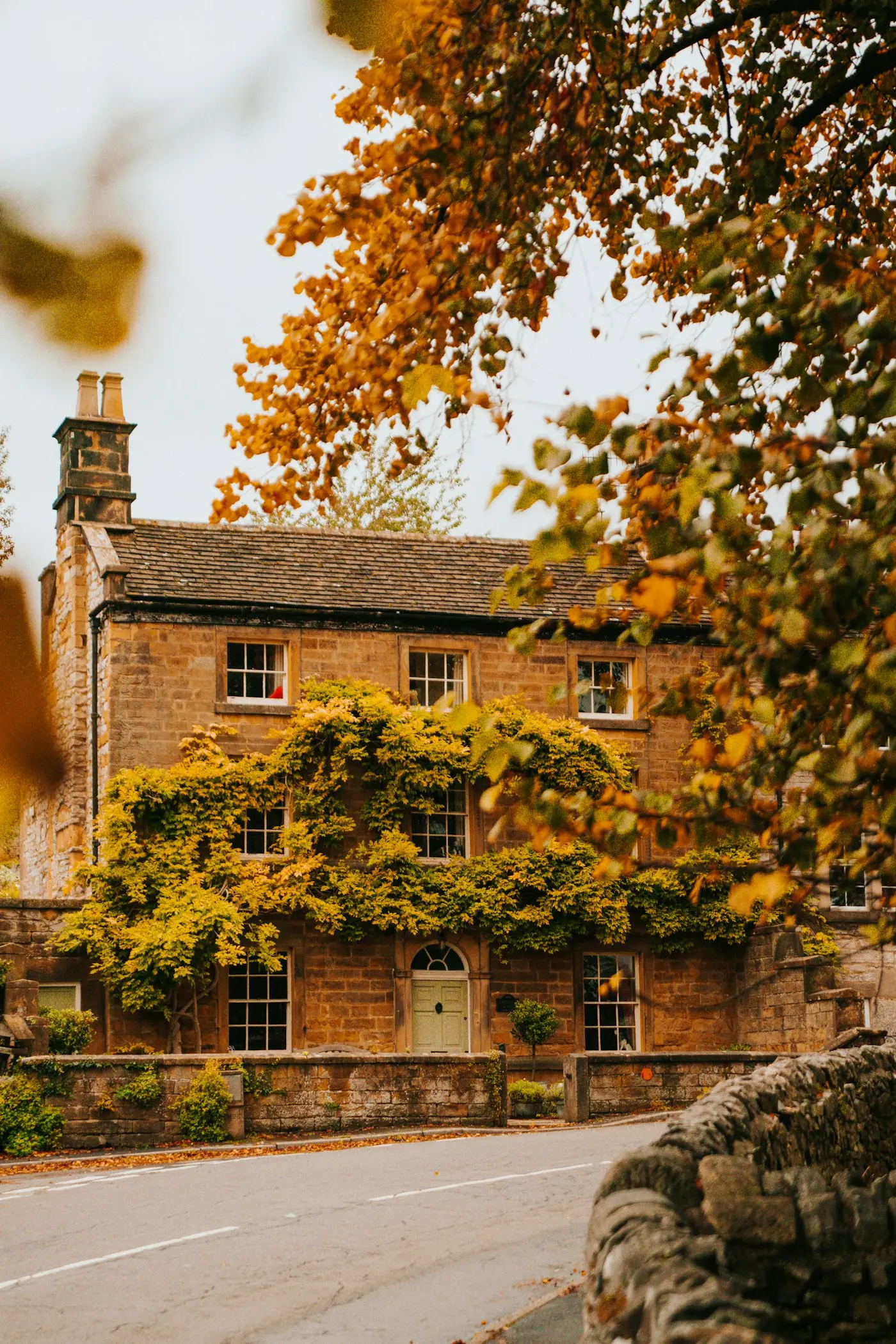
Garden design in Batley
Batley sits in the Heavy Woollen District of Kirklees, and its gardens carry all the hallmarks of that setting: compact rear plots behind Victorian stone terraces, 1970s and 80s estate gardens with tired lawns, and Clay Measures soil that drains poorly and compacts into a hard, cracked layer during summer dry spells. If your garden has ever turned into a muddy bog after a wet November, or you have watched a lawn go from soggy to baked solid within six weeks, you are dealing with classic Batley clay.
The good news is that this soil can be worked with. It is naturally nutrient-rich and holds moisture that sandy soils lose. A planting scheme designed for WF17 conditions will use that to your advantage rather than fighting it. Garden design services across the region start from £500, and a designer who knows your soil type will save you money on failed plants and repeated replanting over the years ahead.
If your garden needs clearing before design work can start, or if it has simply been neglected and needs a proper assessment before any plan is drawn up, that is a straightforward first step. Many Batley gardens need a solid hour of clearance and observation before a designer can give you a useful brief. Once the space is readable, the design process follows quickly.
Cost guide for garden design in Batley
These are honest Yorkshire ranges to budget against. Designers who quote through this site set their own prices and quote you directly. There is no markup on your side.
| Service | Typical cost | What it includes |
|---|---|---|
| Initial consultation | Free to £75 | Site visit, brief discussion, outline proposal. |
| Planting plan only | £300-700 | Scaled scheme, plant list, spacings. You implement. |
| Full design and project management | £700-2,500 | Design, contractor coordination, planting oversight. |
| Border replant (up to 10 sqm) | £120-350 | Design, plants and planting labour for one border. |
| Raised bed installation (2-3 beds) | £400-900 | Timber or stone beds, soil mix, initial planting. |
| Full garden makeover (40-80 sqm) | £4,000-12,000 | Clearance, hard landscaping, planting, establishment. |
| Patio installation (20-40 sqm) | £2,000-6,000 | Sub-base, edging, paving supply and lay. |
Designer fees are separate from build and plant costs. Plants sourced through a designer at trade prices are often cheaper than garden-centre retail and come with better provenance. For a full breakdown of what affects cost in Yorkshire, see our garden designer cost guide.
Get your Batley garden sorted this season.
Describe your plot and a local designer comes back with a real figure. No call centres. Design from £500.
Start your free estimateThe full local guide
Understanding your Batley plot
Batley's housing stock divides fairly cleanly into two types. The Victorian terraces around the town centre, Upper Batley and the older residential streets typically have narrow, enclosed rear gardens that face a restricted range of aspects. Sun can be limited, especially where the terrace runs north-south. These gardens often have an original coal bunker or outbuilding that has been taken down, leaving rough ground with variable drainage and compaction from decades of foot traffic.
The 1970s and 1980s estates on the edges of town have slightly more open plots, usually a combination of front garden and rear garden, but the soil profile is often disturbed from original construction. Topsoil stripped during building and replaced unevenly, compacted sub-base close to the surface, and patches of rubble or concrete buried just under the lawn are all common findings when a designer does a proper site assessment in these areas.
Sun angles matter in both cases. A rear terrace garden that faces north-west or north-east will have deep shade through winter and a narrow sunny strip in summer. A design that ignores aspect is a design that will fail. This is one of the most practical reasons to commission a site visit before committing to any planting plan: a good designer reads your garden at a specific time of day and in a specific season, notes where the light falls and where the shadow sits, and builds the scheme around those fixed conditions.
Clay soil: what it means in practice
Coal Measures clay across the WF17 postcode is dense and slow-draining. It expands when wet and contracts when dry, which means your paths, patios and lawn edges can heave and crack over time if they are not laid on appropriate sub-bases. It also means:
- Water sits on the surface after rain rather than draining away immediately
- Lawns develop moss and algae patches where pooling is worst
- Tree roots struggle to go deep and can lift paving
- Plants that need sharp drainage will rot over winter in their first year
- Digging and planting is hard work in summer when the soil is baked solid
The practical response to clay is not to import tonnes of grit and topsoil and try to create a different garden. That approach is expensive and temporary. The better response is to select plants tolerant of the conditions, raise any beds that need better drainage, use permeable surfaces on areas that currently pool, and build the soil structure gradually with organic matter. A designer who has worked on WF17 gardens before will give you a scheme built around what the soil actually is rather than what it ideally would be.
What gets designed in Batley gardens
These are the briefs we see most often from Batley homeowners. Your garden may fit one of these patterns, or it may combine several.
Low-maintenance redesign for a small rear plot
The most common brief in Batley's terrace streets. You have a garden of perhaps 30 to 60 square metres, a tired lawn that turns to mud each winter, and limited time to maintain what is there. The design brief here is usually: reduce the lawn to a manageable strip or eliminate it entirely, create a usable patio area for sitting out, and plant a border that looks good most of the year without weekly attention. This is a very achievable brief and does not require a large budget to deliver well.
Permeable paving for the patio and path areas prevents the standing-water problem. A raised or improved-soil border with ground-cover perennials means annual replanting is not needed. Structural shrubs cut once or twice a year provide year-round form. The aim is a garden that asks an hour of your time each month rather than a weekend of weeding every six weeks.
Drainage and lawn rescue
If your lawn is more moss than grass, the underlying cause is almost always drainage and compaction rather than poor seed or insufficient feeding. Hollow-tine aeration, scarification and topdressing can help, but on genuinely heavy clay a single renovation season is rarely enough. A longer-term solution combines drainage improvement (either French drains or deep aeration with grit) with a replant using grass species tolerant of wet conditions. Your designer can assess whether renovation is viable or whether replacing the lawn surface entirely makes more financial sense over a ten-year horizon.
For ongoing lawn care once any design work is complete, see our Batley garden maintenance service.
Patio and hard landscaping
Replacing an old concrete patio or adding one where only lawn exists is a popular project in Batley's estate gardens, where the original house may have been built without any hard standing at the rear. The key considerations here are: laying on a proper sub-base that accounts for the clay movement below; using a permeable or semi-permeable surface that does not contribute to surface flooding; and matching the material to the stone of the house where possible. Yorkshire sandstone flags sit naturally with the local stone terraces and last far longer than concrete slabs if laid correctly.
Front garden clearance and redesign
Many Batley terraces have small front gardens that have been gradually paved over or filled with inappropriate shrubs. A proper front garden redesign improves kerb appeal and, done well, can reduce maintenance to almost nothing. A gravel or permeable paving surface with a few well-chosen structural plants handles drainage better than solid concrete and looks considerably better. This is a project that a single skilled gardener can complete in a day or two, and a planting plan from a designer costs very little for the transformation it delivers.
Border refresh and replanting
If your borders are filled with overgrown shrubs that have become shapeless, or with annuals that need replanting every spring, a border redesign is the route to a more manageable and better-looking garden. The brief is usually: remove the plants that are not earning their space, keep anything mature and structurally valuable, and create a layered planting scheme with perennial ground cover, mid-level flowering plants and structural shrubs or grasses that give seasonal interest through most of the year.
Design styles that suit Batley gardens
Batley's built character is working-class Yorkshire: stone terraces, brick-built extensions, practical rather than ornamental. A design that sits authentically within that setting is one that uses materials and plants appropriate to the place rather than importing styles that belong elsewhere. That said, your garden is your own space and a good designer will balance local character with what you actually want to live in.
Contemporary low-maintenance
Clean lines, permeable paving in natural stone or quality porcelain, a limited palette of structural plants and good lighting. This suits both the smaller terrace plots and the more open estate gardens. The material quality needs to be right; cheap pressed concrete slabs age badly and look out of place against Yorkshire stone. Spending on materials rather than plant quantity delivers better long-term results on a tight budget.
Cottage-style planting on improved ground
If your soil can be raised or improved in the border areas, a traditional cottage-style planting scheme of hardy perennials works very well in Batley's cooler, wetter climate. Astilbes, geraniums, hostas, Persicaria and Crocosmia all thrive on heavy soil once drainage is reasonable. This style requires more annual maintenance than a structural scheme but creates a more textured, naturalistic feel through summer.
Productive garden integration
Raised beds for vegetables and herbs are an increasingly popular addition to Batley gardens, particularly where the native soil is too heavy for kitchen garden crops to establish reliably. Raised beds filled with imported compost and topsoil give you complete control of the growing medium. A designer can integrate two or three raised beds into a garden redesign in a way that looks intentional rather than tacked on. See our Yorkshire garden design ideas guide for raised bed layout examples and combination planting ideas.
Plants that suit Batley's clay soil
Choosing the right plants for WF17 conditions is the single biggest factor in whether a Batley garden thrives or limps through each season. These plants are reliable on heavy clay and will establish well once the soil has been prepared:
- Astilbe (Fanal, Visions in Red, Deutschland) - feathery summer plumes, thrives in damp soil and partial shade
- Hardy geranium (Rozanne, Patricia, Johnson's Blue) - sprawling ground cover that tolerates clay and suppresses weeds
- Persicaria amplexicaulis (Firetail, Alba) - tough, fast-growing, flowers July to October on heavy ground
- Crocosmia (Lucifer, Emily McKenzie) - arching orange-red spikes through August; spreads vigorously on clay
- Ligularia (The Rocket, Desdemona) - large architectural foliage for damp spots and north-facing borders
- Hosta (Sum and Substance, Halcyon) - bold foliage plants for shade; slug management needed on clay
- Alchemilla mollis - chartreuse flowers in June, self-seeds freely, tolerates heavy ground and partial shade
- Siberian iris (Caesars Brother, Flight of Butterflies) - slender foliage and May flowers; prefers moist clay
- Hemerocallis (daylilies) - once established on clay, extremely drought and flood tolerant
- Cornus (Midwinter Fire, Sibirica) - winter stem colour, thrives in moist to wet conditions
Avoid rosemary, lavender, salvias and other Mediterranean plants in unimproved clay borders. They will fail in wet winters. If you want those plants, they need raised ground or significant soil amendment first. A designer will tell you honestly what is viable in your specific plot rather than specifying a wish list that looks good on paper and fails in year one.
For ideas on how to combine these plants into a seasonal scheme, see our Yorkshire garden design ideas guide.
How the design process works
- Initial brief. You describe your garden, your budget, how you use the space and what you want from it. Photos and measurements help, but even a rough description gives a designer enough to give you an initial sense of what is possible.
- Site visit and soil assessment. The designer visits, checks drainage, maps sun and shade patterns, assesses existing plants and identifies any structural issues. In Batley this will always include a drainage assessment - it is too important to skip.
- Proposal and costings. You receive a planting plan or layout scheme with plant list, quantities and indicative costs. This is your decision point - no obligation to proceed.
- Phasing the work. If you proceed, the designer sequences the project: drainage improvement first, then hard landscaping, then planting at the right season. Autumn and early spring are the best planting windows for clay soil.
- Installation and establishment. The designer sources plants, often at trade prices, oversees planting and advises on aftercare through the first season.
Not every project needs all five steps. A planting plan only service stops at step three and you implement yourself. Full design-and-build runs through to step five.
Frequently asked questions about garden design in Batley
What soil does my Batley garden have?
Most Batley gardens sit on Coal Measures clay: dense, heavy, slow-draining ground that pools water in winter and bakes to a crust in dry spells. Lower plots near the valley floor are worst affected. Improving it means working in grit and organic matter over several seasons, or designing around it with raised beds, bog-tolerant planting and permeable surfaces.
How much does garden design cost in Batley?
A planting plan only costs £300-700. Full design with project management runs £700-2,500. A complete garden makeover covering clearance, hard landscaping and planting typically costs £4,000-12,000 for a mid-size Batley plot. Designers quote directly with clear terms before booking. See our garden designer cost guide for full Yorkshire breakdowns.
What plants work well in Batley clay gardens?
Heavy clay suits moisture-tolerant plants: astilbes, ligularia, hardy geraniums (Rozanne, Patricia), Persicaria, Crocosmia, hostas, Alchemilla mollis, Siberian iris, daylilies and Cornus for winter stem colour. Avoid Mediterranean herbs and lavender in unimproved clay - they will rot in wet winters. See our Yorkshire garden design ideas guide for plant combination examples.
Can I have a low-maintenance garden on a small Batley plot?
Yes, and it is a sensible brief for a terrace garden. Low-maintenance design typically means: replacing a waterlogged lawn with permeable paving or a combination of paving and planted beds; ground-cover perennials that suppress weeds; structural shrubs cut once a year; heavy mulching to reduce watering and weeding time. A well-designed low-maintenance garden takes an hour a month rather than a weekend.
Related services
Once your design is planted, regular garden maintenance keeps it in good shape through the seasons. For overgrown Batley gardens that need clearing before design can start, see our garden clearance service. For established hedging on boundary lines, see our hedge trimming service.
Areas near Batley we also cover
We cover garden design across the Heavy Woollen District and surrounding Kirklees towns. If you are just outside Batley, we also work in Birstall, Dewsbury, Heckmondwike and Morley. For a full list of Yorkshire areas, see our garden design service page.
Garden design in nearby areas
- Garden design in Dewsbury
- Garden design in Heckmondwike
- Garden design in Birstall
- Garden design in Morley
- Garden design in Ossett
For gardeners and general garden maintenance, see gardeners in Batley.
Related: Find a gardener in Batley