Garden design · Birstall · WF17
Birstall garden design for clay and ridge-line plots.
Birstall gardens range from compact Victorian terraces with heavy valley clay to larger ridge-line plots with better drainage and more room to work with. Wherever your garden sits in that range, a local designer will assess your actual conditions and produce a scheme that fits your soil, your budget and how you use the space. Design services start from £500.
- Free initial estimates
- Local designers who quote directly
- Design from £500
- No call centres
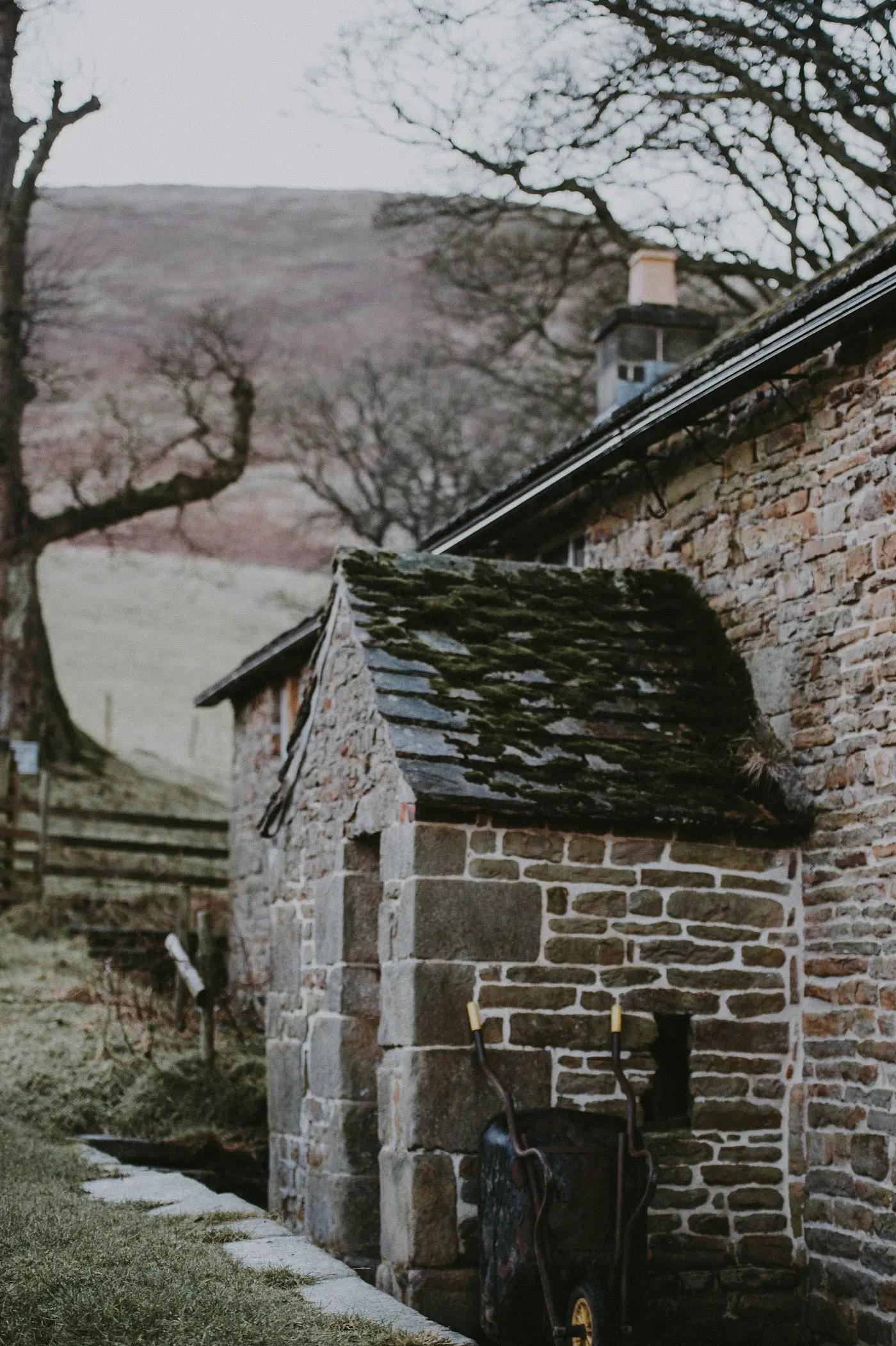
Garden design in Birstall
Birstall occupies the ridge between Batley and Morley, and that position on the landscape creates real variety in garden conditions. If your home is on higher ground, towards the newer executive estates or the ridge-line roads, your soil may drain reasonably well and your garden could get good sun exposure. If you are in the valley areas closer to Batley or on the older streets, you are more likely dealing with heavier Coal Measures clay that sits wet through autumn and winter and bakes hard in a dry summer.
Getting that diagnosis right before committing to a planting scheme is not a minor detail. It is the difference between a garden that establishes quickly and one that struggles through its first season and costs you money in replacements. Garden design services in Yorkshire start from £500 and include a proper site assessment as the foundation of any plan.
Birstall also benefits from proximity to Oakwell Hall Country Park, and if your garden is larger, the park's structured planting and naturalistic borders are a useful reference point for what is achievable in this part of West Yorkshire. For ongoing garden care once any design is planted, our Birstall garden maintenance service can handle regular visits through the growing season.
Cost guide for garden design in Birstall
Designers quote you directly through this site. These are honest Yorkshire ranges to help you budget.
| Service | Typical cost | What it includes |
|---|---|---|
| Initial consultation | Free to £75 | Site visit, brief discussion, outline proposal. |
| Planting plan only | £300-700 | Scaled scheme, plant list, spacings. You implement. |
| Full design and project management | £700-2,800 | Design, contractor coordination, planting oversight. |
| Border replant (up to 10 sqm) | £150-400 | Design, plants and planting labour for one border. |
| Raised bed installation (2-3 beds) | £450-950 | Timber or stone beds, soil mix, initial planting. |
| Full garden makeover (50-100 sqm) | £5,000-15,000 | Clearance, hard landscaping, planting, establishment. |
| Lawn renovation or replacement | £800-3,000 | Aeration, scarification, topdress or full turf relay. |
For a full breakdown of what affects design and build costs across Yorkshire, see our garden designer cost guide. Hard landscaping (patios, walls, raised beds in stone or timber) is quoted separately from the design fee and typically runs £2,000-8,000 for mid-size Birstall projects.
Get your Birstall garden moving this season.
Describe your plot, your budget and what you want to achieve. A local designer comes back with a real figure. No call centres. Design from £500.
Start your free estimateThe full local guide
Understanding your Birstall plot
The variation in soil and drainage across Birstall is more pronounced than in many similar-sized West Yorkshire towns. Elevation matters here in a way it does not in, say, Dewsbury or Batley's flatter sections. Gardens on the upper side of the ridge facing south or south-west can be surprisingly productive. They catch more sun, drain faster than the valley clay, and can support a wider range of plants including some that would fail in wetter ground below.
That said, even ridge-line gardens in Birstall have clay in the subsoil. The topsoil layer may be better-structured on elevated ground, but dig down 30 centimetres on most WF17 plots and you will find the heavy clay subsoil that characterises the Coal Measures geology of this part of Kirklees. That subsoil impedes drainage even when the surface appears to be behaving. A designer who tests your soil before specifying plants saves you from a situation where your border looks fine in May and is waterlogged by November.
Victorian terraces and post-war housing
Birstall's older housing stock concentrates in the valleys and the older parts of town, where garden plots tend to be smaller and more enclosed. These gardens often have mature trees or large shrubs that limit light, and the soil immediately beneath old planting is usually compacted and depleted. A garden redesign in a Victorian terrace plot in Birstall almost always starts with a clearance assessment: what is worth keeping, what is taking up space without earning it, and where the light actually falls once the site has been properly observed.
Post-war semi-detached properties on the outer edges of Birstall tend to have more open rear gardens with better access to sun. The challenge here is more likely to be a tired lawn on compacted clay, outdated borders with overgrown conifers or leggy shrubs, and a garden that was designed for a different era and different lifestyle. A refresh of these gardens does not necessarily mean a full redesign from scratch: retaining mature plants and good bones, improving drainage, and replanting the borders can transform the space for a fraction of the cost of starting over.
Newer executive estate gardens
The more recent housing developments on Birstall's ridge-line have produced gardens with larger footprints and more potential for aspirational design. These plots can accommodate a proper lawn, structured borders, a seating area and potentially a kitchen garden or planted boundary screening. The soil profile is often disturbed from construction, however: topsoil stripped and replaced unevenly, sub-base close to the surface in places, and little to show from the original soil structure. A designer on a new-build plot starts by assessing what the builder left behind before making any planting recommendations.
Common design briefs in Birstall
Full garden redesign for an estate property
The most rewarding projects in Birstall are often the larger ridge-line plots where a homeowner has the space to create a proper garden but has been living with a builder's lawn for years. The brief is usually: a defined seating area, a lawn that actually drains, a planted boundary for privacy, and borders that give seasonal interest without constant attention. These gardens take the most design investment but also deliver the most visible transformation. A well-executed full redesign on a Birstall estate plot can run from £6,000 to £15,000 or more depending on how much hard landscaping is involved.
Low-maintenance terrace redesign
For smaller, enclosed plots on Birstall's older streets, the priority is usually to reduce maintenance while improving how the space looks and feels. This often means replacing a failing lawn with a combination of paving and planting, choosing perennials that grow well without annual replanting, and adding a structure or two (a simple pergola, a raised bed, a defined path) that gives the garden a sense of deliberate design. Done well, this transforms a garden that feels like a chore into one that feels like an asset.
Soil improvement and drainage
Some Birstall gardens need drainage work before any planting scheme will succeed. Hollow-tine aeration of a compacted lawn, French drain installation along a fence line where water collects, or raised bed construction over heavy clay to give plants a viable growing medium: these are structural interventions that precede the design work. A designer who encounters a drainage problem at the site visit will always address it in the proposal. Installing a beautiful planting scheme in a garden that pools water is a waste of time and money.
Border and planting refresh
Many Birstall gardens have borders that were planted a decade or more ago and have lost their structure. Shrubs have overgrown, gaps have been filled with annuals year after year, and the border no longer has a coherent seasonal structure. A replanting project assesses what is worth keeping, removes what has outgrown its space, and introduces a layered scheme of ground-cover perennials, mid-height flowering plants and structural shrubs that will mature over two to three seasons into a border that looks good without constant intervention.
Design styles that suit Birstall gardens
Naturalistic and structured
The proximity to Oakwell Hall Country Park's managed landscape makes a naturalistic-but-structured approach particularly appropriate in Birstall. This style combines structural planting with softer, meadow-influenced elements: ornamental grasses, self-seeding perennials, informal but intentional drifts of planting that respond to the seasons. It suits larger plots on the ridge-line where there is room for planting to move and develop. For ideas on how this translates to a Yorkshire residential garden, see our Yorkshire garden design ideas guide.
Contemporary family garden
A clean, contemporary design with defined zones for seating, play and planting suits the newer estate properties well. The palette here is natural stone paving, a quality lawn, clipped structural shrubs and a limited planting palette in one or two borders. Low-maintenance by nature, this design holds its appearance through the seasons and ages well. It responds to different family needs as children grow without requiring a complete redesign.
Heritage cottage style
For Victorian and Edwardian properties, a design that references the heritage of the building works well. Brick paths, box edging, classic cottage perennials and a kitchen bed or two create a garden that feels authentic to the house. This style suits west-facing or south-facing plots where the sun dwell is long enough to support a wider plant range. On clay soil, this approach requires careful plant selection and some soil amendment in the border areas.
What to plant in a Birstall garden
On better-draining ridge-line ground, you have a wider palette available than in the heavier clay areas. These plants perform well across the WF17 soil range:
- Hardy geraniums (Rozanne, Patricia, Wargrave Pink) - reliable ground cover across clay to improved loam
- Persicaria amplexicaulis (Firetail, Alba, Rosea) - tough perennial for damp and heavy ground, long-flowering
- Astilbe (varied cultivars from white to deep red) - for shaded, moist borders
- Crocosmia Lucifer - bold orange-red late summer colour, spreads reliably on clay
- Nepeta (catmint) - on improved or elevated ground; soft June haze, long season
- Hemerocallis (daylilies) - vigorous once established, handles wet winters
- Grasses (Deschampsia, Molinia, Calamagrostis) - movement and texture through summer to winter; tolerates heavy ground when established
- Cornus (Midwinter Fire, Sibirica, Alba Elegantissima) - winter stem colour and foliage interest; thrives in moist conditions
- Euonymus fortunei cultivars - low-growing evergreen ground cover, reliable on clay
- Viburnum tinus, V. opulus - flowering shrubs that establish well on heavy Yorkshire soil
On ridge-line plots with better drainage, you can add salvias, lavender and Mediterranean herbs if beds are well-prepared. In valley or lower plots, stick to the clay-tolerant palette above and save yourself the cost of replacements. For more planting ideas for Yorkshire conditions, see our Yorkshire garden design ideas guide.
How the design process works
- Initial brief. Describe your plot, your budget and what you want from the space. Photos from the key angles and a rough measurement help, but are not required to get started.
- Site visit and drainage assessment. The designer visits, assesses your soil profile, maps sun and shade across the day, and identifies any structural issues before producing anything on paper.
- Proposal and costings. A scaled plan or planting scheme arrives with a plant list, quantities and indicative costs. You decide whether to proceed.
- Phasing. If proceeding, the designer sequences the work sensibly: drainage first, hard landscaping second, planting at the right season for your soil type.
- Installation and establishment. The designer sources plants, often at trade prices, oversees the installation and advises on first-season aftercare.
Frequently asked questions about garden design in Birstall
What soil does my Birstall garden have?
Most Birstall gardens have Coal Measures clay, though drainage varies significantly by elevation. Ridge-line plots drain better than valley plots. Even on better-draining ground, clay subsoil is usually present below 30 centimetres. A site visit will tell you exactly what you are working with before any planting is specified.
How much does garden design cost in Birstall?
A planting plan only costs £300-700. Full design with project management runs £700-2,800. A complete makeover typically costs £5,000-15,000 for a mid-size to larger Birstall plot. Designers quote directly with no call centre fees. See our garden designer cost guide for detail.
Is Oakwell Hall a useful reference for garden style in Birstall?
It is a good local reference for structured naturalistic planting and long-view design. If your Birstall garden is on the larger side, the Country Park's approach to managed planting and seasonal interest is worth a look before you brief your designer.
Do I need planning permission for a garden redesign in Birstall?
Most residential garden work does not need planning permission. Exceptions include walls or fences above certain heights adjacent to a highway, outbuildings beyond permitted development limits, and work in conservation areas or listed buildings. Your designer will flag any issues at the site visit stage.
Related services
Once your design is planted, regular garden maintenance keeps it in good shape through the growing season. For a full overview of Yorkshire garden design services, see our garden design page.
Areas near Birstall we also cover
We cover garden design across the wider Kirklees and Batley-Morley corridor. If you are just outside Birstall, we also work in Batley, Morley, Cleckheaton and Heckmondwike. For a full list of Yorkshire areas, see our garden design service page.
Garden design in nearby areas
- Garden design in Batley
- Garden design in Heckmondwike
- Garden design in Dewsbury
- Garden design in Morley
- Garden design in Cleckheaton
For gardeners and general garden maintenance, see gardeners in Birstall.
Related: Find a gardener in Birstall