Garden design · Heckmondwike · WF16
Heckmondwike garden design that earns its space.
Heckmondwike gardens are mostly compact, terraced and working with Coal Measures clay. The best design for your plot is practical before it is pretty: sort the drainage, choose plants that actually survive the soil, and create a space that takes care of itself. We connect you with local designers who quote directly. Design from £500.
- Free initial estimates
- Local designers who quote directly
- Design from £500
- No call centres
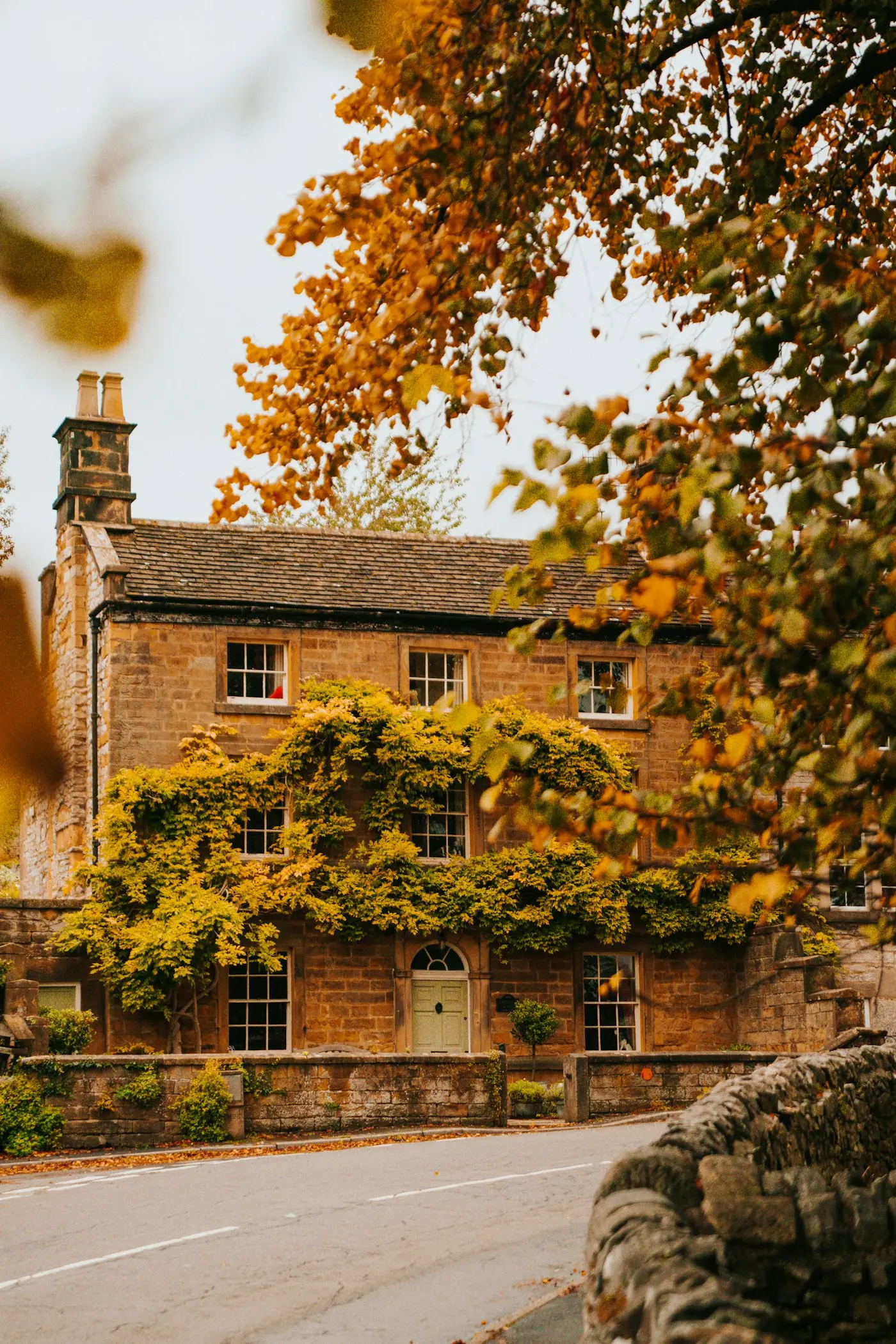
Garden design in Heckmondwike
Heckmondwike is a compact Heavy Woollen District town on the ridge between Batley and Cleckheaton, and its gardens reflect that character: predominantly terraced plots of modest size, sitting on Coal Measures clay and gritstone geology, with a residential community that values practical improvement over aspirational landscaping. If you live in Heckmondwike, you probably know your garden is not a blank canvas, and a designer who comes in with a plan better suited to Harrogate than WF16 is not going to give you what you need.
Good design for a Heckmondwike garden starts with honesty about the conditions. The soil is heavy. The plot is probably not large. The priority is making the space work better - draining properly, looking cared-for, reducing the weekly maintenance burden - rather than creating something that requires constant attention to stay that way.
Garden design services start from £500 and include a proper site assessment. For ongoing care once your garden is planted, our Heckmondwike garden maintenance service handles regular visits through the growing season.
Cost guide for garden design in Heckmondwike
| Service | Typical cost | What it includes |
|---|---|---|
| Initial consultation | Free to £65 | Site visit, brief discussion, outline proposal. |
| Planting plan only | £300-650 | Scaled scheme, plant list, spacings. You implement. |
| Full design and project management | £600-2,200 | Design, contractor coordination, planting oversight. |
| Border replant (up to 8 sqm) | £100-300 | Design, plants and planting labour for one border. |
| Raised bed installation (2 beds) | £350-800 | Timber beds, soil mix, initial planting. |
| Full terrace garden makeover | £3,500-10,000 | Clearance, paving, planting, establishment. |
These are honest Yorkshire ranges. A Heckmondwike terrace garden typically costs less to transform than a larger estate plot because the scale is smaller. For a full breakdown, see our garden designer cost guide.
Get your Heckmondwike garden sorted this season.
Describe your plot and a local designer comes back with a real figure. No call centres, no subscriptions. Design from £500.
Start your free estimateThe full local guide
What Heckmondwike gardens are actually like
The housing character of Heckmondwike is overwhelmingly Victorian and Edwardian terrace, with some post-war development on the edges of town. That means rear gardens that are typically long and narrow, with stone walls or wooden fences on the boundaries, limited sun in the depths of winter, and soil that has been managed - or ignored - for a hundred years or more.
The Coal Measures clay and gritstone geology under Heckmondwike means that drainage varies by exactly where your garden sits. On the higher ground you may have more gritstone influence and slightly better drainage. In the lower areas and in gardens where the surface water has no natural outlet, the clay is more dominant and puddles form after every significant rain. Your garden has one of these two profiles, and the design approach differs between them.
Clay soil in practice
If your lawn pools water after rain, if your borders stay wet from November to March, and if your lawn has significant moss and algae patches, you have a clay drainage problem. This is not unusual in WF16 - it is the majority condition. The good news is that it is manageable. The bad news is that it requires real work and honest design rather than just buying better plants.
Managing clay in a Heckmondwike garden typically involves some combination of: hollow-tine aeration and topdressing for the lawn; improving the soil structure in border areas with grit and organic matter; installing a simple drainage channel or French drain along the fence line if water collects there; and, most usefully, raising the growing areas so that plants have a better-drained medium to establish in.
Sun and shade in a terrace plot
Terrace gardens in Heckmondwike often have restricted sun exposure because the walls and buildings on either side create shadow through much of the day. Before a designer specifies any planting, they need to know your garden's aspect and track where the sun actually falls through morning, midday and afternoon. A north-facing rear terrace garden gets virtually no direct sun through winter and only a strip of afternoon light in summer. A south-facing one is much more productive. The planting palette for each of these is quite different, and a scheme designed without this knowledge will fail.
Common design briefs in Heckmondwike
Low-maintenance terrace garden redesign
The most common brief in Heckmondwike. You have a garden that is not quite working - the lawn is struggling, the borders are filled with plants that were there when you moved in, and maintenance is taking time you do not have. The brief is: make it look better and take less time. This almost always means replacing a failing lawn element with a combination of better-laid paving and planted beds, choosing perennial plants that grow well without annual replanting, and creating a clear structure that is easy to maintain. A well-executed version of this can be achieved for £3,500-8,000 in a typical WF16 terrace garden.
Front garden reinstatement
Many Heckmondwike terraces have front gardens that have been concreted over or filled with inappropriate gravel. Reinstating a front garden as a planted, permeable space is both more attractive and better for local drainage. A small front garden in a terrace street does not need elaborate design: a simple permeable surface, one or two structural shrubs, and an edging treatment that keeps the space looking tidy. This is a project a skilled gardener can complete in a day, with a planting plan from a designer to guide the plant selection.
Raised bed installation for a kitchen garden
Raised beds solve two problems at once in a Heckmondwike garden: they provide a growing medium that is not heavy clay, and they bring structure and purpose to a garden that previously felt purposeless. Two or three well-proportioned raised beds, integrated into the garden design rather than placed arbitrarily, transform the back garden of a terrace house into a productive, well-ordered space. This is an achievable project for a modest budget. See our Yorkshire garden design ideas guide for raised bed layout options.
Lawn rescue and drainage improvement
A lawn that is more moss than grass on heavy Heckmondwike clay is a candidate for either renovation or replacement. Renovation works when the clay drainage issues are mild and the lawn structure is basically sound. Hollow-tine aeration, scarification, topdressing with a grit-rich mix, and overseeding with shade and moisture-tolerant grass species can recover a struggling lawn in one to two seasons. Where the clay is worst and the lawn is beyond renovation, lifting the turf and starting with a proper sub-base and quality turf relay is the better long-term investment.
What to plant in a Heckmondwike garden
Heavy clay and variable shade require a specific plant palette. These are the reliable performers for WF16 conditions:
- Hardy geraniums (Rozanne, Patricia, Wargrave Pink) - tolerant of clay and partial shade, long-flowering
- Persicaria amplexicaulis - tough, tall, flowers from July to October on heavy ground
- Astilbe (varied cultivars) - beautiful feathery plumes in damp and shaded spots
- Hostas - bold foliage plants for shade and moist soil; slug management needed
- Alchemilla mollis - self-seeds freely on clay, effective and very low-maintenance
- Euphorbia amygdaloides var. robbiae - ground-covering spurge for dry shade under walls
- Epimedium (barrenwort) - excellent ground cover for dry shade and compacted soil under trees
- Cornus (Sibirica, Midwinter Fire) - winter stem colour, moisture-tolerant shrub
- Viburnum tinus - evergreen flowering shrub that establishes well on clay
- Lonicera (honeysuckle) - for wall or fence coverage; handles Yorkshire conditions well
Avoid plants that require sharp drainage or full sun in a shaded or poorly-drained Heckmondwike plot. A designer will tell you plainly what will work in your specific aspect and soil profile.
Design styles that suit Heckmondwike gardens
Practical contemporary
Clean, low-maintenance design with paving or compacted gravel paths, defined borders and a limited plant palette. This approach suits the working-class residential character of the town well. It does not pretend to be a country estate; it accepts the plot for what it is and makes it look cared-for and useful. Material quality matters: cheap concrete paving looks terrible against Heckmondwike stone within a few years. Spend on materials rather than quantity and the garden ages well.
Productive with ornamental elements
Raised beds for vegetables and herbs combined with a small ornamental planting area and a tidy path and seating arrangement. This suits the practical ethos of Heckmondwike homeowners who want their garden to do something rather than just exist. A kitchen garden integration does not require large space; two well-made raised beds in a terrace garden give you enough to grow salad, herbs and a handful of vegetables through the season without demanding the whole garden.
Low-maintenance evergreen structure
For homeowners who want the garden to look tidy year-round with minimum intervention, a design based on structural evergreen plants and a permeable surface can achieve near-zero weekly maintenance. Clipped box or holly balls, a well-chosen evergreen ground cover, a simple gravel or sett path, and a couple of seasonal pots that you replant twice a year. This approach asks perhaps two to four hours of maintenance per year and looks intentional and cared-for throughout all seasons.
How the design process works
- Brief. You describe your garden, your budget and what is not working. Photos help; measurements are not required at this stage.
- Site visit and drainage assessment. The designer assesses soil type, drainage, sun patterns across the day and season, and existing plants. For WF16 clay gardens, drainage is always assessed as a priority.
- Proposal and costings. A planting plan or layout scheme with plant list, quantities and indicative costs. No obligation to proceed.
- Phasing. If proceeding, drainage or structural work first, then planting at the right season. Autumn is best for clay-soil planting.
- Installation. Designer sources plants at trade prices, oversees planting and advises on first-season aftercare.
Frequently asked questions about garden design in Heckmondwike
What soil does my Heckmondwike garden have?
Most Heckmondwike gardens sit on Coal Measures clay and gritstone, with drainage that varies by elevation. Lower areas have denser clay; ridge-line ground has slightly better drainage with gritstone influence. Both need careful plant selection and often some drainage work before planting. A site assessment will identify your specific profile.
How much does garden design cost in Heckmondwike?
A planting plan only costs £300-650. Full design with project management runs £600-2,200. A complete terrace garden makeover costs £3,500-10,000. Designers quote directly with no call centre fees. See our garden designer cost guide for full detail.
Is garden design worth it for a small Heckmondwike terrace garden?
Yes - often more so than for larger gardens. A smaller plot has less margin for error. A well-designed small garden feels purposeful and low-maintenance. Even a modest planting plan commission (£300-500) can transform the space and reduce the weekly maintenance burden significantly.
What is the best time of year to commission garden design in Heckmondwike?
Autumn is the ideal window for commissioning and planting on clay soils. October and November are optimal planting months: ground is moist and not frozen, plants establish before winter dormancy. Commission in late summer or early autumn to be ready for that window. Spring commissioning is also valid; planting can follow in the autumn window after summer assessment.
Related services
Once your design is planted, regular garden maintenance keeps it looking good. For a full overview of Yorkshire design services, see our garden design page.
Areas near Heckmondwike we also cover
We cover the Heavy Woollen District and surrounding towns. We also work in Batley, Cleckheaton, Liversedge and Dewsbury. For a full list of Yorkshire areas, see our garden design service page.
Garden design in nearby areas
- Garden design in Batley
- Garden design in Birstall
- Garden design in Dewsbury
- Garden design in Cleckheaton
- Garden design in Liversedge
For gardeners and general garden maintenance, see gardeners in Heckmondwike.
Related: Find a gardener in Heckmondwike