Garden design · Liversedge · WF15
Liversedge garden design that makes the most of your plot.
Liversedge is a compact Victorian town with smaller gardens than many neighbouring areas, and Coal Measures clay under most of them. Good design here is honest about the constraints and works with them rather than around them. We connect you with local designers who quote directly and produce practical schemes your garden can sustain. Design from £500.
- Free initial estimates
- Local designers who quote directly
- Design from £500
- No call centres
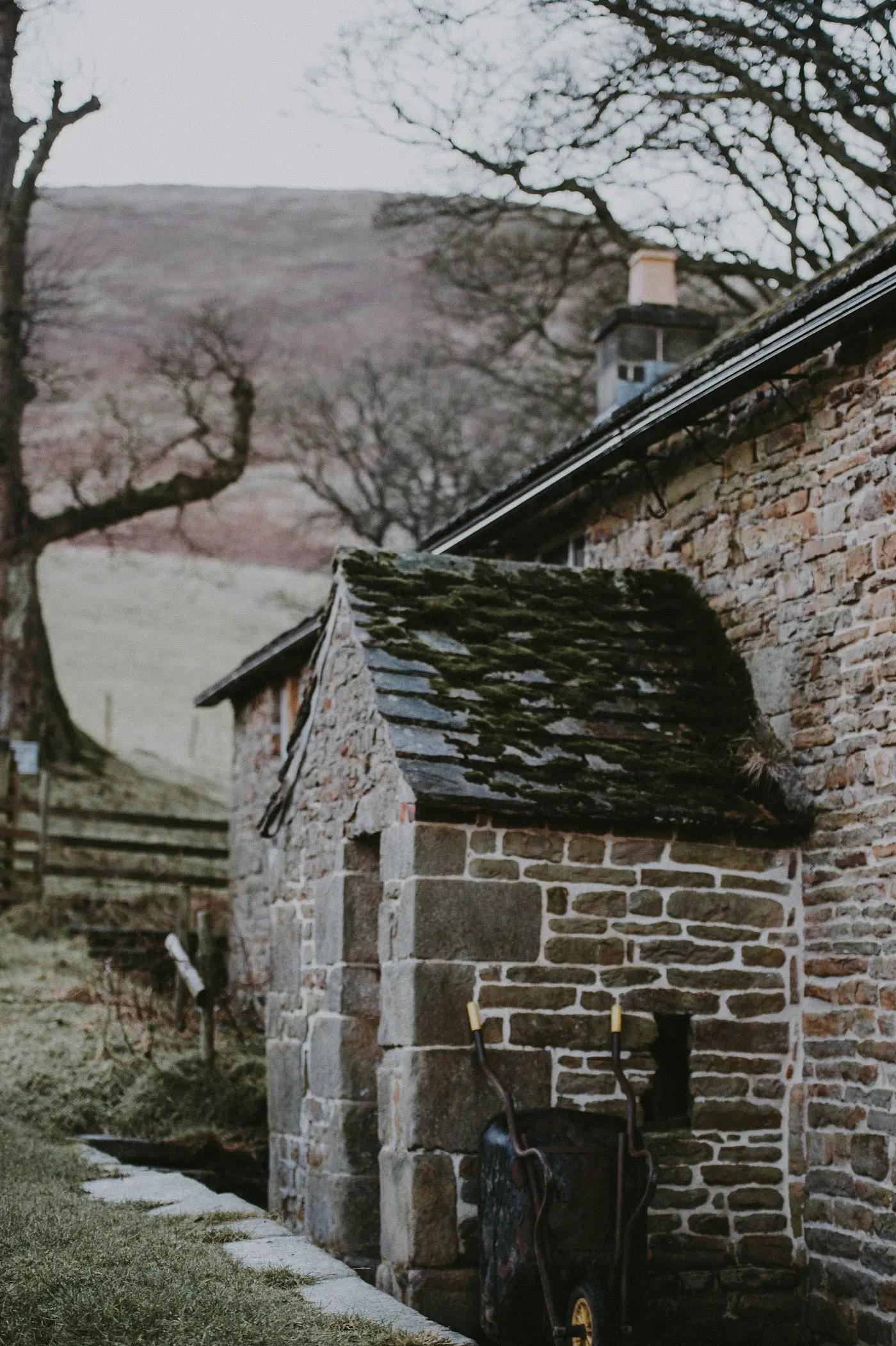
Garden design in Liversedge
Liversedge sits between Cleckheaton and Mirfield in the Spen Valley, a compact town whose Victorian terrace character is similar to Heckmondwike to the south. WF15 gardens are predominantly small to mid-size, attached to terraced and semi-detached properties, and sitting on the Coal Measures clay that characterises most of this part of Kirklees. The practical approach to design in Liversedge is to be honest about those conditions and work with them rather than specifying a garden that belongs somewhere else.
Liversedge is historically interesting in ways that matter to local identity: the town was the site of the 1812 Luddite attack on Rawfolds Mill, and that working-class, industrial character is embedded in its built fabric. The stone terraces, the narrow streets, the practical rather than ornamental character of the housing - all of these are the context a garden design sits within. A design that references local materials and local character tends to look more appropriate and more enduring than one that imposes an aesthetic from elsewhere.
Garden design services across Yorkshire start from £500. For ongoing garden care once your design is established, our Liversedge garden maintenance service can handle regular visits through the growing season.
Cost guide for garden design in Liversedge
| Service | Typical cost | What it includes |
|---|---|---|
| Initial consultation | Free to £60 | Site visit, brief discussion, outline proposal. |
| Planting plan only | £300-650 | Scaled scheme, plant list, spacings. You implement. |
| Full design and project management | £600-2,000 | Design, coordination, planting oversight. |
| Border replant (up to 8 sqm) | £100-280 | Design, plants and planting labour for one border. |
| Raised bed installation (2 beds) | £300-750 | Timber beds, soil mix, initial planting. |
| Full small terrace garden makeover | £3,500-9,000 | Clearance, paving or lawn, planting, establishment. |
Liversedge plot sizes tend toward the smaller end of the Heavy Woollen District range, which is reflected in the lower overall costs relative to Ossett or Cleckheaton. For a full breakdown of what affects design costs across Yorkshire, see our garden designer cost guide.
Get your Liversedge garden sorted this season.
Describe your plot and a local designer comes back with a real figure. No call centres. Design from £500.
Start your free estimateThe full local guide
What Liversedge gardens are actually like
The typical Liversedge garden is a rear plot behind a two or three-bedroom terrace or semi-detached house, ranging from perhaps 20 to 60 square metres. These are not large gardens by suburban standards, but they are real gardens that can be made to work well with the right design. The key challenges are:
- Heavy clay that drains slowly and makes lawn maintenance difficult through autumn and winter
- Limited space that requires disciplined design rather than a wish list approach
- Restricted sun exposure in north-facing or deeply enclosed plots
- Soil that has often been poorly managed over many years of different ownership
None of these challenges is insurmountable. A designer who visits your plot, assesses the soil and sun conditions, and produces a scheme built for the actual conditions will give you a garden that works considerably better than whatever you are starting from. The question is matching the investment level to the scale of the plot and the realistic brief.
Working with a small plot
Designing a small garden well is a specific skill. It is not just a scaled-down version of designing a large garden. In a small space, every element is visible and every poor decision is obvious. A plant that would disappear into a large border becomes a dominant feature in a compact plot. A patio that is slightly too small looks apologetic. A path that does not lead anywhere wastes precious space. Good small-garden design is disciplined: it decides what the plot must contain, eliminates what is not essential, and makes every element earn its place.
For a Liversedge terrace garden, the typical must-have list is: a small seating area (even 2m x 2m is useful), a planted border with year-round structure and seasonal colour, and a path connecting the house to the bottom of the garden. Optional but popular additions include a raised bed for herbs or salad, a compost corner, and some boundary treatment for privacy. A designer will help you work out which of these you actually need and which are aspirations that can come later.
Clay soil in Liversedge
The Coal Measures clay under Liversedge gardens behaves like the same formation across the rest of the Heavy Woollen District: it waterlogs in wet periods, bakes and cracks in dry ones, and can create a layer of compaction just below the surface that prevents roots from penetrating. The practical response is not to fight the clay but to work with it: choose plants that tolerate or even prefer the conditions, raise any beds where you need sharper drainage, and accept that the lawn is going to need more management than it would on sandy loam.
Mulching borders heavily with organic matter is one of the most cost-effective things you can do on Liversedge clay. It gradually improves soil structure, suppresses weeds, retains moisture in summer and prevents surface compaction in wet weather. A designer will specify a mulching regime as part of the aftercare guidance for any planting scheme on heavy clay.
Common design briefs in Liversedge
Small terrace garden transformation
The most common brief: you have a small garden that is not quite working. The lawn is struggling with moss, the borders are either overgrown or empty, and the space does not feel like something you want to spend time in. A transformation project for a small Liversedge terrace typically involves: deciding whether to renovate or replace the lawn, creating a defined seating area even if small, replanting the borders with a clay-tolerant palette that gives three-season interest, and treating the boundaries (fence panels, walls) to complete the improvement. Total investment for a well-executed small terrace project typically runs £3,500-8,000.
Drainage improvement and lawn rescue
If your primary problem is a waterlogged lawn rather than lack of design, a targeted drainage and lawn renovation project may be the most efficient use of your garden budget. Hollow-tine aeration, scarification, topdressing with a grit-rich mix, and overseeding with moisture-tolerant cultivars can recover a struggling lawn in one to two seasons if the clay drainage issues are moderate. If the drainage problem is severe, a simple French drain along the worst-affected fence line or a sub-surface aeration channel installed through the lawn addresses the root cause rather than just treating the symptoms.
For ongoing lawn care and maintenance once the work is done, see our Liversedge garden maintenance service.
Raised bed installation
Two well-made raised beds in a Liversedge garden create a productive growing area that the native clay cannot offer. On heavy clay, raised beds filled with a good compost and topsoil mix give you control of the growing medium: you can grow salad crops, herbs, dwarf beans and root vegetables that would fail or struggle in unimproved clay ground. A designer will specify the right dimensions and placement for raised beds to integrate well into a small plot without consuming it. For raised bed integration ideas, see our Yorkshire garden design ideas guide.
Front garden improvement
Liversedge terrace front gardens are often small and either neglected or concreted over. A simple improvement - permeable gravel or sett surface, a structural plant or two, defined edging - transforms the street presentation of your house for a modest investment. This is a project that can typically be completed in a day by a skilled gardener working from a designer's planting plan. On a terrace street, even a modest improvement to your front garden has a visible impact on the whole street environment.
What to plant in a Liversedge garden
Heavy clay and variable sun exposure in a compact plot. These plants are reliable in WF15 conditions and earn their space in a small garden:
- Hardy geraniums (Rozanne, Wargrave Pink, Johnson's Blue) - excellent ground cover for clay, long-flowering, partial shade tolerant
- Alchemilla mollis - frothy chartreuse flowers in June, self-seeds freely on clay, edge-softening in paths and borders
- Astilbe (varied) - feathery plumes for damp, partially shaded spots; no deadheading needed
- Epimedium - the best ground cover for dry shade under walls or overhanging eaves; almost indestructible once established
- Euphorbia amygdaloides var. robbiae - spreads into dry shade, evergreen, spring acid-green flowers
- Hosta (Sum and Substance, Halcyon, Francee) - bold foliage for shade; slug management important on clay
- Persicaria amplexicaulis - structural, tall, long-flowering on heavy ground without division for years
- Crocosmia (Lucifer, Emily McKenzie) - spreads vigorously on clay, bright orange through August
- Viburnum tinus - evergreen, winter-flowering shrub that handles clay and shade well
- Cornus alba (Sibirica, Kesselringii) - stem colour through winter, moisture-tolerant, can be coppiced annually to renew
In a small Liversedge garden, use plants that do multiple jobs: ground cover and seasonal colour, structure and winter interest, scent and wildlife value. A limited palette of well-chosen plants looks more considered in a small space than a wide variety used in ones and twos. For more ideas suited to Yorkshire clay conditions, see our Yorkshire garden design ideas guide.
Design styles that suit Liversedge gardens
Honest and practical
The design language most at home in Liversedge references the town's character: honest materials, practical form, Yorkshire stone rather than imported porcelain that has nothing to do with the place. A reclaimed stone path, a yorkstone sett seating area, simple timber edging for raised beds, and a plant palette of robust perennials and structural shrubs. This is not rustic or low-ambition; it is a design that belongs in the place rather than being parachuted in from a style magazine that photographed a Cotswolds garden.
Small-garden maximalist
Some homeowners want a small garden that is packed with planting: borders that spill onto the path, a climber on every wall face, bulbs layered through the borders, and seasonal interest from February to November. This approach is high-maintenance in the establishment phase and then settles into something manageable as the planting fills in and suppresses weeds. It works best with a designer who understands small-space planting and can specify a scheme that creates density without chaos.
Productive-first design
For households who primarily want food from their garden, a productive-first design places raised beds as the main feature and uses ornamental planting as the supporting element rather than the reverse. Two or three raised beds, a compost area, a path between them, and a simple planted boundary around the edge of the plot creates a garden that is both attractive and productive. The discipline is in making the productive elements look intentional and well-proportioned rather than functional and ugly.
How the design process works
- Brief. You describe your garden, your budget and what is not working. Even a rough description of the plot and a few photos gives a designer enough to prepare for the site visit.
- Site visit and soil assessment. The designer visits, assesses drainage, maps sun and shade patterns across the garden, identifies existing plants worth keeping and structural issues.
- Proposal. A planting plan or layout scheme with plant list, quantities and indicative costs. No obligation to proceed.
- Phasing the work. If proceeding, structural improvements first, then planting at the optimal autumn or spring window for clay soil.
- Installation. Plants sourced at trade prices, planting overseen by designer, first-season aftercare guidance provided.
Frequently asked questions about garden design in Liversedge
What soil does my Liversedge garden have?
Liversedge gardens sit on Coal Measures clay, the standard Heavy Woollen District soil profile. Dense, slow-draining, nutrient-rich. It waterlogs in winter and bakes in summer. Improving it requires organic matter and grit over several seasons, or raised beds for crops and plants that need sharper drainage. A site visit confirms your specific profile.
How much does garden design cost in Liversedge?
A planting plan only costs £300-650. Full design with project management runs £600-2,000. A complete makeover for a typical Liversedge terrace costs £3,500-9,000. Liversedge tends toward the modest end of the range because plot sizes are typically smaller. Designers quote directly with no call centre fees. See our garden designer cost guide.
What is achievable in a small Liversedge terrace garden?
More than most people expect. A 25-50 sqm garden can have a usable seating area, a planted border with three-season interest, a simple lawn or permeable surface, and a raised bed for herbs or salad. Good small-garden design makes every element earn its place. A designer who works on smaller urban plots will produce a scheme that feels generous and well-considered rather than cramped.
Does Liversedge have any heritage context relevant to garden design?
Liversedge's connection to the 1812 Luddite Rising at Rawfolds Mill is part of the town's identity and built character: stone terraces, practical architecture, a town shaped by textile manufacturing. A garden design that references that character - honest materials, functional form, Yorkshire stone - sits authentically in this place and tends to age better than imported aesthetics.
Related services
Once your design is planted, regular garden maintenance keeps it in good shape through the seasons. For a full overview of Yorkshire garden design, see our garden design page.
Areas near Liversedge we also cover
We cover garden design across the Spen Valley and surrounding Kirklees towns. We also work in Cleckheaton, Heckmondwike, Mirfield and Dewsbury. For a full list of Yorkshire areas, see our garden design service page.
Garden design in nearby areas
- Garden design in Heckmondwike
- Garden design in Mirfield
- Garden design in Cleckheaton
- Garden design in Brighouse
- Garden design in Dewsbury
For gardeners and general garden maintenance, see gardeners in Liversedge.
Related: Find a gardener in Liversedge