Garden design · Mirfield · WF14
Mirfield garden design for riverside and ridge-line plots.
Mirfield has two distinct garden profiles: riverside and canal-side plots that need flood-resilient thinking, and elevated properties on higher ground with standard West Yorkshire clay challenges. Both can become beautiful, practical gardens. We connect you with local designers who know WF14 conditions and quote you directly. Design from £500.
- Free initial estimates
- Local designers who quote directly
- Design from £500
- No call centres
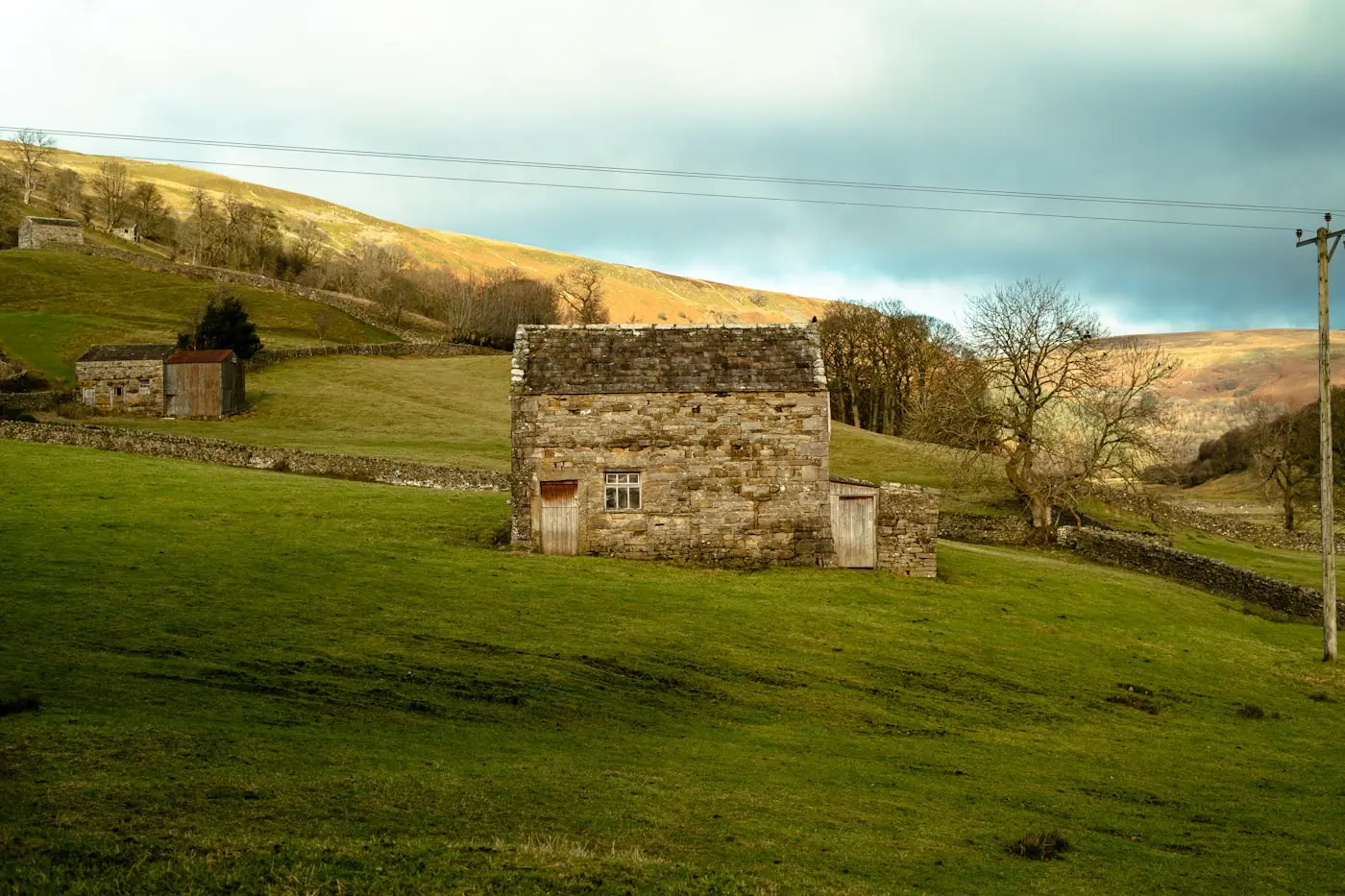
Garden design in Mirfield
Mirfield is one of the most varied towns in Kirklees for garden design briefs. Along the River Calder and the Calder and Hebble Navigation canal, you have properties with waterside gardens and real flood risk: some of these are former worker's cottages, some are converted mill apartments with courtyard gardens, and some are the more affluent riverside properties that attract commuters looking for Calder Valley character within reach of Leeds or Huddersfield. Up on higher ground, the town reverts to familiar West Yorkshire pattern: Coal Measures clay, Victorian and post-war housing, practical garden briefs.
The Community of the Resurrection, the Anglican monastery on the southern edge of Mirfield, is a reminder that the town has a heritage depth that the garden character can connect with: structured, thoughtful, rooted in place rather than following transient trends.
Garden design services across Yorkshire start from £500. For ongoing garden care once your design is established, our Mirfield garden maintenance service handles regular visits through the growing season.
Cost guide for garden design in Mirfield
| Service | Typical cost | What it includes |
|---|---|---|
| Initial consultation | Free to £75 | Site visit, flood-risk assessment if applicable, brief discussion. |
| Planting plan only | £350-750 | Scaled scheme, plant list, spacings. You implement. |
| Full design and project management | £750-2,800 | Design, contractor coordination, planting oversight. |
| Raised bed system (flood-resilient) | £600-1,500 | Constructed raised beds above flood level, soil, planting. |
| Permeable paving (20-40 sqm) | £2,000-6,500 | Sub-base engineered for flood-risk site, permeable surface. |
| Full garden makeover (50-100 sqm) | £4,500-15,000 | Clearance, hard landscaping, planting, establishment. |
Flood-resilient engineering adds cost relative to standard garden work, but it is investment rather than expense for a property that would otherwise suffer repeated garden damage. For a full breakdown of Yorkshire design costs, see our garden designer cost guide.
Get your Mirfield garden designed this season.
Riverside or higher ground, describe your plot and a local designer comes back with a real figure. Design from £500.
Start your free estimateThe full local guide
The two Mirfield garden profiles
Calder-edge and riverside properties
If your garden is within close range of the River Calder or the canal corridor, flood risk is a genuine factor in your design. The 2015 Boxing Day floods affected properties across this part of the Calder Valley, including areas of Mirfield. A designer working on a Mirfield riverside or low-lying plot will assess the Environment Agency flood-risk maps as part of the site visit, identify your specific risk level, and design accordingly.
Designing for flood risk in Mirfield does not mean creating an ugly, functional garden. The waterside setting is a real asset: moisture-loving planting that thrives in the conditions, views to the water managed with planted screens, and a design that reads as intentional rather than defensive. Corten steel raised beds, reclaimed Yorkshire stone terracing, and structural plantings of flood-tolerant grasses and perennials can create a beautiful and resilient garden that is honest about its riverside location rather than fighting it.
Elevated and higher-ground properties
Higher-ground Mirfield gardens deal with standard West Yorkshire clay: slow-draining, nutrient-rich, manageable once you understand it. These properties range from Victorian terrace housing on the town's older streets to more recent semi-detached development on the edges of town. Garden sizes vary but tend to be modest to mid-size. The brief is usually practical: better drainage, a maintained lawn, planted borders with some structure and seasonal colour, and reduced maintenance compared to whatever the garden currently demands.
Mirfield's growing commuter population - households that value the town's semi-rural feel and transport links but are time-pressed during the week - creates appetite for designs that look good year-round without requiring weekly skilled intervention. Low-maintenance does not mean no maintenance; it means that what the garden asks of you is achievable in the time you have.
Common design briefs in Mirfield
Flood-resilient riverside garden
The specialist brief in lower Mirfield. Key design moves: raise your principal growing areas above identified flood levels using constructed raised beds or retaining walls; use permeable paving for seating and circulation areas; select flood-tolerant plants for ground-level planting; and ensure hard landscaping is designed not to impound water near the house. For converted mill and waterside properties, the brief may also include courtyard or enclosed garden design where the building footprint creates an unusual plot configuration.
For plant ideas for wet and flood-affected ground, see our Yorkshire garden design ideas guide, which includes planting suggestions for challenging West Yorkshire conditions.
Commuter-belt family garden redesign
Mirfield attracts households commuting into Leeds, Huddersfield and the wider West Yorkshire metro area. These are time-pressed, often dual-income households who want a garden that functions well and looks attractive without consuming every weekend. The design brief: a quality seating area, a practical lawn that drains properly, planted borders with a good three-season structure, and optional kitchen garden integration. Low-maintenance is a priority but not at the cost of character.
Victorian terrace garden improvement
Mirfield's older streets have the familiar West Yorkshire terrace garden profile: enclosed, modest, often neglected or planted without any coherent scheme. A terrace garden improvement project in Mirfield - clearance, soil improvement, new paving, replanting - follows the same principles as similar projects across the Heavy Woollen District: be honest about the size and the soil, choose plants that will thrive rather than struggle, and design for low maintenance from the outset.
Converted mill or heritage property garden
Some of Mirfield's most interesting design briefs come from converted industrial buildings. Mill conversions, warehouse apartments with courtyard spaces, and former commercial buildings repurposed as residential all create unusual garden plots: sometimes enclosed courtyards, sometimes sloped or terraced ground inherited from the building's industrial past, sometimes narrow plots between buildings. These spaces respond well to a design language that references the industrial heritage: structural materials (steel, reclaimed stone, architectural concrete), bold structural planting, and a spare rather than overstuffed aesthetic.
Design styles that suit Mirfield gardens
Industrial heritage and structural
For converted mill and waterside properties, a design language that references the Calder Valley's industrial heritage creates the most coherent result. This means structural materials over ornamental ones, a plant palette that is bold rather than fussy, and a design that emphasises the relationship between built form and planted form. Corten steel planters, sleeper-timber terracing, Caithness stone or blue-grey slate paving, and grasses that move in wind and respond to the water create a garden that feels of its place.
Contemporary family low-maintenance
For higher-ground family properties, a well-proportioned contemporary design with a quality patio, a good lawn and structured borders suits the commuter-belt brief well. The priority is a garden that looks intentional and cared-for without demanding constant skilled attention. This approach works best with a thoughtful plant palette of reliable perennials and structural shrubs, and a patio material that ages well against the local stone and brick.
Naturalistic flood-resilient
For riverside and lower-lying properties, a naturalistic approach to flood-resilient design creates a garden that works with the waterside location rather than fighting it. Lush moisture-loving planting, raised timber terraces with productive planting above flood level, and a palette of grasses and perennials that can handle periodic inundation and recover quickly. This is the approach that makes a riverside Mirfield garden an asset rather than a liability.
Plants for Mirfield gardens
The plant palette divides between flood-resilient species for lower ground and clay-tolerant perennials for higher plots.
For riverside and flood-risk ground:
- Cornus (dogwood) - structural, flood-tolerant shrub with winter stem colour
- Astilbe - summer plumes in moist, partially shaded conditions
- Molinia caerulea (purple moor grass) - native grass for wet, boggy ground
- Iris pseudacorus (Yellow flag iris) - striking architectural plant for wet margins
- Filipendula ulmaria (meadowsweet) - native, fragrant, for genuinely wet spots
- Gunnera manicata - giant architectural plant for a large damp area
- Rodgersia - bold bronze-tinted foliage for moist ground
For higher-ground clay plots:
- Hardy geraniums (Rozanne, Patricia) - ground cover tolerant of clay and partial shade
- Persicaria amplexicaulis - structural tall perennial, flowers July to October
- Alchemilla mollis - self-seeding, frothy yellow-green in June, tolerant of clay
- Hemerocallis (daylilies) - robust on clay once established
- Viburnum tinus and opulus - reliable flowering shrubs for structure
- Crocosmia Lucifer - orange-red arching spikes through August
For more Yorkshire planting ideas, see our Yorkshire garden design ideas guide.
How the design process works in Mirfield
- Brief and flood-risk check. For lower-lying WF14 properties, the designer checks Environment Agency flood-risk mapping before visiting. You describe your plot, your concerns and your budget.
- Site visit. The designer assesses soil, drainage, sun and shade, flood-risk indicators and existing planting. For riverside properties, this is a more detailed assessment than standard.
- Proposal. A planting plan or layout scheme with plant list and indicative costs. Flood-resilient design options are presented clearly for riverside properties.
- Phasing. Structural work and drainage first, planting at the optimal autumn or spring window.
- Installation. Plants sourced at trade prices, build overseen by designer, first-season aftercare guidance provided.
Frequently asked questions about garden design in Mirfield
What soil and flood risk does my Mirfield garden have?
Mirfield divides between Calder floodplain clay at lower levels (with real flood risk near the river) and Coal Measures clay on higher ground. Riverside properties need flood-resilient design. Higher ground has standard West Yorkshire clay challenges without the flood risk. Your elevation and proximity to the Calder determines the right design approach.
How much does garden design cost in Mirfield?
A planting plan only costs £350-750. Full design with project management runs £750-2,800. A complete makeover costs £4,500-15,000. Flood-resilient requirements may add cost for riverside properties. Designers quote directly with no call centre fees. See our garden designer cost guide.
Can a riverside Mirfield garden be designed beautifully despite flood risk?
Yes. Flood risk does not mean a garden has to look defensive. The best flood-resilient Mirfield gardens use the waterside setting as a design asset: moisture-loving planting, raised timber or stone terraces that read as intentional design, and permeable paving that handles both normal rain and flood events. The Calder setting is an asset when the design works with it.
Are there converted mill properties near Mirfield with garden potential?
Yes. Mill conversions and waterside properties create interesting design briefs: courtyard configurations, sloped or terraced ground, waterside access. These spaces respond well to an industrial heritage design language: structural materials (Corten steel, reclaimed stone), bold structural planting, and a spare aesthetic that complements the building rather than contradicting it.
Related services
Once your design is planted, regular garden maintenance keeps it in good shape. For a full overview of Yorkshire design services, see our garden design page.
Areas near Mirfield we also cover
We cover garden design across the Calder Valley and surrounding Kirklees area. We also work in Dewsbury, Heckmondwike, Ossett and Brighouse. For a full list of Yorkshire areas, see our garden design service page.
Garden design in nearby areas
- Garden design in Dewsbury
- Garden design in Liversedge
- Garden design in Ossett
- Garden design in Brighouse
- Garden design in Holmfirth
For gardeners and general garden maintenance, see gardeners in Mirfield.
Related: Find a gardener in Mirfield