Mirfield sits in the Calder valley in Kirklees, a town that has been growing steadily as Huddersfield and Leeds commuters discover that the train connections are good and the house prices are still reasonable by West Yorkshire standards. That influx of new residents has changed the garden market here over the last decade. Where once almost everyone found their gardener through a long-standing neighbour connection, a significant proportion of Mirfield households are now first-time garden owners in a new area, or people who have taken on a property with an established plot they do not yet have the knowledge or time to manage. If you are in that situation - searching for a gardener in Mirfield without the benefit of a local recommendation - this guide covers what you need to know.
What Mirfield Gardens Are Actually Like
Mirfield is not a single garden type. The town runs from the River Calder on the valley floor up to the hillside properties toward Hopton and Liley Lane, and the difference in soil, drainage, and garden character between the bottom and the top is significant. Understanding which type of garden you have matters for the kind of help you need.
On the valley floor and the lower streets close to the Calder, soils tend to be heavy clay, prone to waterlogging through winter and into early spring, and slow to dry out enough to work. If your lawn looks patchy and spongy after wet weather, if your borders stay saturated long after rain has stopped, or if you see moss establishing itself aggressively in your grass, these are the symptoms of valley-floor clay. The Calder catchment historically floods, and even properties that do not flood directly can have high water tables that keep roots oxygen-starved for weeks at a time. A gardener who knows the valley floor will understand why your lawn needs proper scarification and aeration treatment rather than just a cut, and why border drainage should be part of any garden plan. See the Yorkshire garden drainage guide for a full breakdown of what is involved.
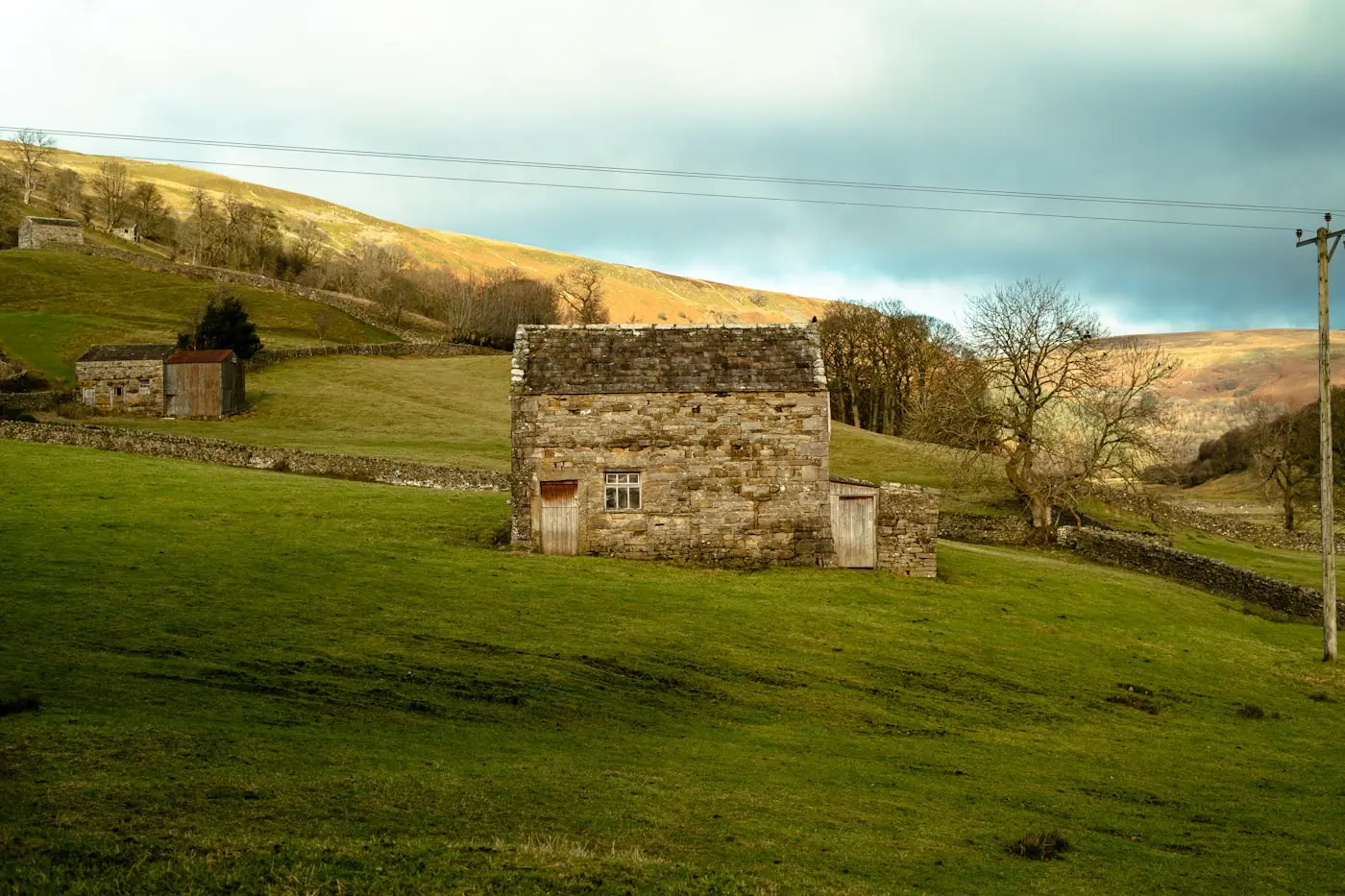
The hillside properties toward Hopton, around Hopton Hall and along Liley Lane, are a different world. Soils here drain considerably better, gardens are often larger and more established, and the challenge shifts from waterlogging to steep slopes and shading from mature trees. Gardens on south-facing slopes can be genuinely impressive - larger than you would expect for a West Yorkshire commuter town - but they can also be hard physical work to maintain if they have been left for a season. A gardener who is used to valley-floor terraces may find the physical demands of working a steep hillside plot quite different from their usual work.
The Victorian stone terraces that make up much of the town between the valley bottom and the hillside tend to have moderate-sized rear gardens, often longer than they are wide, with established boundary hedges. These are the most straightforward to maintain in terms of soil and drainage, though the boundary hedges - often privet or hawthorn that has been there for decades - can be substantial work to keep in shape. For hedge trimming on established Victorian-era boundaries, you want someone who has done it before and knows how hard a mature hawthorn hedge is to work compared to something younger.
How Much Does a Gardener in Mirfield Charge?
Mirfield sits within the West Yorkshire rate band, which is broadly in the middle of the Yorkshire range - above South Yorkshire towns like Barnsley and below the higher end of the market in Harrogate or the more expensive parts of Leeds. For a full breakdown of gardener costs across Yorkshire, the companion guide covers the full picture. The figures below are based on what gardeners are actually charging in WF14 in 2026.
| Rate type | Mirfield WF14, 2026 | Notes |
|---|---|---|
| Hourly rate (maintenance) | £25-£35/hr | Regular contracts at the lower end; one-off visits higher |
| Day rate (7-8 hrs) | £130-£180 | Full working day; clearance, heavy maintenance or restoration |
| Fortnightly maintenance visit | £38-£70 per visit | Medium garden; contract pricing. Includes lawn, borders, edges. |
| One-off lawn cut | £28-£60 | Small terrace plot lower end; larger hillside gardens higher |
| Spring tidy (one-off) | £90-£220 | Larger hillside plots with slopes and mature planting will take longer |
| Hedge trimming (standard domestic) | £45-£100 per visit | Mature Victorian-era boundaries will be towards the higher end |
| Garden clearance (medium plot) | £200-£480 | Heavily overgrown hillside plots: £500-£750. Fixed quote after site visit. |
One thing worth noting for Mirfield specifically: gardens on steep hillside plots toward Hopton and Liley Lane take longer to work than a flat town-centre garden of the same square footage, because of the physical effort of working on a slope and the access challenges that come with some of these properties. If your garden has a significant gradient, a sensible gardener will price in that extra time and effort. A quote that does not account for slope is either from someone who has not visited the garden or someone who will be revising the price when they see it.
For the full picture on gardener hourly rates across the UK, including how West Yorkshire compares to other regions, the dedicated rate guide has the national context.
What to Look for in a Mirfield Gardener
The basics apply everywhere. In Mirfield specifically, local knowledge of the Calder valley's varied conditions adds a genuine layer of value beyond the standard checklist. Here is what to look for:
- Public liability insurance: The non-negotiable starting point. A minimum of £2m cover is the industry standard. Ask to see the certificate - not verbal confirmation, the actual document with the policy number, insurer and expiry date. A gardener working on your property without it is a liability on you if anything goes wrong.
- Waste Carrier's Licence: Required by law for anyone removing green waste from your property and transporting it for disposal. Ask for the licence number if clearance or removal of cuttings is part of the job. Without it, waste cannot be legally taken to a tip by the contractor.
- Familiarity with WF14 conditions: You want someone who has worked valley-floor clay and understands what it means for lawn health, drainage, and border maintenance. A gardener who has spent several seasons working Mirfield gardens will know which parts of the town stay wet the longest, what the established hedge species are, and what realistic expectations look like for a garden in your specific part of town.
- Experience with slopes if relevant: If your garden is on the hillside toward Hopton, ask directly whether they have experience with sloped plots. Working a steep garden safely and effectively is a different physical skill from maintaining a flat suburban lawn.
- Responsiveness and clarity: How someone handles your first enquiry is a reasonable preview of how they will handle the job. A prompt, clear response with a willingness to visit before quoting is the right behaviour. Vague responses, reluctance to visit for an assessment, or pressure to commit without seeing the garden first are not.
Mirfield's commuter character and garden expectations
A significant proportion of Mirfield's newer residents commute to Huddersfield or Leeds and have limited time to spend on their gardens. This tends to mean a preference for low-maintenance planting, good lawn edges, and a tidy rather than horticultural-show standard. A gardener who respects that - who keeps things clean and controlled without pushing for unnecessary interventions - is more valuable to this type of household than one who wants to redesign the borders every spring.
The Soil Issue: Valley Clay and What It Means for Your Lawn
If your Mirfield property is anywhere near the valley floor - the streets close to the Calder, the lower reaches of the town before you start climbing toward Hopton - your lawn almost certainly has clay-related challenges that a standard mowing-only service will not address. Mirfield's valley-bottom clay is heavy, dense, and compacts easily under foot traffic through the winter months. The result is a lawn that drains poorly, stays wet for extended periods after rain, encourages moss and shallow-rooted grasses, and thins out noticeably in wet years.
The fix is not complicated but it does require the right equipment and the right timing. Scarification and hollow-tine aeration in early autumn, followed by overseeding with a grass mix suited to damp clay conditions, is the standard treatment cycle. Done consistently over two or three seasons, it makes a measurable difference to how the lawn performs through winter and how quickly it recovers in spring. Most Mirfield homeowners who ask why their lawn looks poor in March are looking at the cumulative result of several years without aeration - compaction builds up gradually and the decline is slow enough that it is easy to miss until the lawn is noticeably thin.
If your gardener is offering a mowing-only service without any mention of aeration or soil health, and your lawn is on the valley floor, that conversation is worth having. A good local gardener will raise it themselves. For an overview of the full Yorkshire lawn care calendar and what should be happening across the seasons, that guide covers the complete year.
Regular Maintenance vs One-Off Work
The two most common ways of working with a gardener in Mirfield are a seasonal maintenance contract - regular fortnightly or monthly visits through the growing season - and one-off or occasional jobs for specific tasks. They suit different situations and are priced differently.
A regular maintenance contract is the right choice if your garden needs consistent upkeep through the year and you want it to stay in good condition rather than swing between overgrown and freshly tidied. In Mirfield, a typical garden maintenance contract runs from April to October, covering fortnightly visits that include lawn mowing and edging, border weeding and light pruning, path clearing, and seasonal adjustments. Contracts are usually quoted as a monthly fixed fee, which makes budgeting predictable. The per-hour cost is lower than for one-off work because the gardener is building the job into a planned round and the work is efficient and consistent. The best gardener-client relationships in the area tend to be long-term: after a season or two, the gardener knows your specific soil, knows which spots stay wet, knows which hedge needs attention in June versus September, and brings that contextual knowledge to every visit.
A one-off clearance or task job makes sense for a defined piece of work with a clear scope: clearing an overgrown rear garden before a property is listed, cutting back hedges that have not been touched in a few years, or a spring reset on a garden that has been neglected over winter. These are priced higher per hour than contract work because of the setup involved. For clearance on valley-floor clay in Mirfield, always request an in-person assessment and a fixed quote rather than an hourly estimate - root removal on waterlogged ground is hard to predict remotely and the time involved can vary significantly depending on what is underneath the surface. See the Yorkshire spring tidy guide for a sense of what a one-off reset job typically covers.
Many Mirfield homeowners who start with a one-off clearance move onto a regular contract once the garden is in shape. That is usually the most economical path: invest in bringing the garden back to a manageable state, then keep it there on an ongoing basis.
Questions to Ask Before You Hire
These six questions will tell you most of what you need to know before committing to any gardener in Mirfield. A competent, properly set-up gardener will answer all of them without hesitation:
- Can I see your public liability insurance certificate? Not confirmation that you have it - the actual document, with insurer, policy number and cover level.
- Do you hold a Waste Carrier's Licence, and can I have the licence number? Required for any job involving removal of green waste from the site.
- Have you worked gardens in WF14 before? Specifically, have you worked valley-floor clay or hillside plots in Mirfield? Local experience matters here.
- Can you visit before quoting for clearance or larger jobs? An in-person assessment is the right approach for any job over half a day. Remote estimates on Mirfield's clay soils are unreliable.
- What is specifically included in your maintenance contract? Lawn mowing, edging, border weeding, waste disposal - what is in and what is extra?
- Do you offer aeration and scarification services? Relevant for valley-floor properties. Not every maintenance gardener carries the equipment for it.
Red Flags to Watch For
The majority of gardeners working the WF14 area are competent and properly set up. A small minority are not. These are the patterns worth watching for:
- A quote significantly below the local rate with no explanation. The realistic range in Mirfield is £25-£35/hr for maintenance. A quote of £12-£15/hr without explanation almost always means no insurance, no licence, or significantly less experience than advertised.
- Refusal to provide proof of insurance when asked. There is no legitimate reason for this. It is a routine, reasonable request.
- Estimating clearance work by phone without visiting. On valley-floor clay, root removal and ground clearance are highly variable. An accurate fixed price requires a site visit.
- No examples of recent local work. Anyone who has been working Mirfield gardens for more than a season should be able to show you photos of comparable local jobs.
- Reluctance to confirm scope in writing. Written confirmation of what is included before work starts is standard. Verbal-only arrangements create ambiguity that benefits the contractor, not you.
Finding a Gardener vs Using a Lead Platform
If you search "gardener Mirfield" or "gardener near me WF14," a significant chunk of what comes up will be national lead platforms that sell your contact details to multiple contractors simultaneously. You submit your details, five gardeners call you, and you end up doing a comparison exercise on the phone that you did not plan for. The contractors who use these platforms aggressively are often the ones who have not filled their schedule through reputation and word of mouth alone. That is not universally true, but it is a pattern worth being aware of.
A local introduction service that connects you to a single local gardener covering your specific WF14 postcode is a better experience and tends to produce a better outcome. The gardener knows the area, has been checked, and is not competing with four other people for the same job. For a full guide on how to evaluate and vet any gardener before committing, see how to find a gardener in Yorkshire. For the broader picture of finding gardeners across the county, the Yorkshire gardener search guide covers the main approaches. If you are also comparing Mirfield with nearby options, see the Huddersfield gardeners guide for the rate and service picture a few miles to the west.
Frequently Asked Questions
How do I find a reliable gardener in Mirfield?
A neighbour's recommendation after a season or two of observed results is the most reliable route. If you do not have that, a local introduction service connecting you to one local gardener covering WF14 is considerably better than a national platform that sends your details to multiple contractors. When you make contact, ask about public liability insurance, a Waste Carrier's Licence, and examples of recent work in the Mirfield or Ravensthorpe area before discussing price.
How much does a gardener in Mirfield charge?
Typical rates in WF14 in 2026 run £25-£35 per hour for maintenance, with day rates of £175-£300. Fortnightly contract visits for a medium garden are £38-£70 per visit. Gardens on steep hillside slopes toward Hopton may attract a small premium over standard flat-site rates because of the additional physical effort involved. See the Yorkshire gardener cost guide for the full regional picture.
What should I look for in a Mirfield gardener?
Insurance and waste licence documentation first. Then local knowledge of WF14's varied conditions - specifically whether they have experience with valley-floor clay near the Calder or with sloped hillside plots toward Hopton. Responsiveness at the enquiry stage is a reliable signal of how the working relationship will go. A gardener who visits before quoting larger jobs, answers questions directly, and confirms scope in writing before starting is behaving correctly.
What garden work gets booked most in Mirfield?
Regular fortnightly maintenance from April to October is the most common arrangement. Spring tidies are busy from late March through May. Hedge trimming runs twice yearly for most properties - June-July and again in September. On valley-floor properties, lawn aeration and scarification in autumn is increasingly commonly booked as homeowners recognise the clay compaction problem. For a full picture of what to book and when, see the Yorkshire lawn care calendar.
Do gardeners in Mirfield take on one-off jobs or only regular contracts?
Most will take on one-off jobs, though April to September is busy and lead times can be longer than people expect. If you want regular fortnightly slots from April, contact gardeners in February or early March. One-off clearances, hedge cuts, and spring tidies are all bookable as standalone jobs. For tips on what to look for in a regular arrangement, the Yorkshire garden maintenance contracts guide covers the key points.
Related reading
- Gardeners in Huddersfield - rates and how to find one
- How much does a gardener cost in Yorkshire? (2026)
- How to find and vet a gardener in Yorkshire
- Lawn scarification in Yorkshire - when and why
- Garden drainage in Yorkshire
- Garden maintenance across Yorkshire
- Hedge trimming across Yorkshire
Gardeners in other nearby areas
We cover the full West Yorkshire and wider Yorkshire area:
Get a quote for your Mirfield garden.
60-second assessment. If a local WF14 gardener takes your enquiry, they call you with a price for your specific garden and job.
Start the assessment