Garden design · Cottingham, East Yorkshire
Cottingham garden design and landscaping.
Cottingham HU16 sits on the chalk-based Wolds fringe, which gives your garden something unusual for this part of East Yorkshire: free-draining alkaline soil that opens up a completely different palette of plants from the heavy clay of Hull just to the south. Established properties, larger plots, and a village character that rewards proper design investment. Local designers quote directly. Design from £500.
- Free initial estimates
- Local designers who quote directly
- Design from £500
- No call centres
What makes Cottingham gardens distinctive
Cottingham is one of the largest villages in England and has a well-established character as an affluent Hull commuter settlement. The combination of good-sized detached properties, generous plot sizes, and proximity to the University of Hull gives it a residential stability that many newer suburban developments lack. Your garden here is likely to be an established space with mature trees, hedging, and shrubs already in place - a context a skilled designer can work with rather than starting from scratch.
What sets Cottingham apart from the clay-heavy towns south and east of it is the soil. The village sits on the southern fringe of the Yorkshire Wolds chalk escarpment. That chalk base gives you alkaline, free-draining loam - the opposite of the dense Hull clay that waterlogged gardens just a few miles away. If you have ever struggled with a garden on Humberside clay and then visited a Cottingham plot, the difference is immediately obvious: the soil crumbles rather than sticks, water drains through after rain rather than pooling, and plants that would sulk in Hull's clay grow readily with less intervention.
This soil profile shapes everything from which plants thrive to how you approach hard landscaping. It also means some of the most popular East Yorkshire garden fixes - drainage channels, raised beds above clay level - are simply not necessary here. Your design brief starts from a better baseline than most of the region, and a designer who understands that can make the most of it rather than spending the budget on remedial groundwork.
For ongoing maintenance once your design is in place, the local gardeners in Cottingham page covers what to look for when choosing a gardener for this area. For a broader overview of the full garden design service across Yorkshire, that page covers the process in detail.
Garden design costs and process in Cottingham
A planting plan for a typical Cottingham HU16 garden runs £350-900. Full design with project management - where the designer coordinates contractors and oversees the whole project - runs £900-3,500 or more depending on scope and plot size. Cottingham properties tend toward the larger end of suburban plots, which means more planting to specify and often more square metres of hard landscaping. Full builds including paving, raised beds, planting and establishment typically cost £6,000-18,000+ for a mid-to-large garden. Designers quote you directly; there is no fee on your side of the enquiry.
The process starts with a site visit where the designer assesses your soil, drainage, aspect, existing structure, and how you actually use the garden. In Cottingham the soil assessment is quick - the chalk-based loam is consistent across most of HU16 - but the aspect and microclimate assessment matters because mature trees can create significant shade in established gardens. The designer then produces a proposal with a scaled planting plan, plant list, spacings and indicative costs. You decide whether to implement it yourself, phase it over several years, or have the designer manage the full project.
For context on costs across the county, our Yorkshire garden designer cost guide breaks down fees by project type and size.
Get your Cottingham garden sorted this season.
Tell us about your plot, your soil, and what you want from the space. A local designer comes back with a real figure. No call centres, no subscriptions. Design from £500.
Start your free estimateThe full local guide
Cottingham's chalk soil - what it means for your garden
The chalk geology under Cottingham is the defining fact of gardening here, and it is worth understanding properly. Chalk-derived soils are alkaline, typically running pH 7.2-7.8 in this area. That rules out a significant range of popular garden plants - rhododendrons, azaleas, camellias, pieris, and most heathers simply will not thrive. Trying to acidify the soil with sulphur or ericaceous compost is a short-term fix at best; the chalk buffers back to alkaline quickly, and the money and effort is better spent choosing plants that actively prefer the conditions.
The good news is that the range of plants that genuinely thrive in chalk loam is both large and beautiful. Lavender, rosemary, salvias, and the whole Mediterranean herb palette perform exceptionally well. Prairie-style planting with ornamental grasses and late-season perennials suits the free-draining conditions perfectly. Climbing roses do well on chalk. The chalk also suits beech and yew - two of the most reliable hedging plants in the Yorkshire climate - which means Cottingham gardens can build strong structural green enclosure with material that actively likes the conditions.
One challenge specific to chalk soil is summer drought stress. The free-draining profile means water moves through quickly in dry spells, and shallow-rooted plants in exposed positions can stress in July and August. Annual mulching with well-rotted organic matter - at least 5-7cm across all planted areas - is the most effective response. It suppresses weeds, retains moisture, and builds the organic content of the topsoil over time. A well-mulched chalk garden typically needs significantly less irrigation than an unmulched one through a dry summer.
The depth of topsoil varies across Cottingham. In the central village and on flatter ground the profile can be 35-45cm of workable loam before chalk. On rising ground toward the Wolds escarpment to the north and east, that depth can reduce to 20-25cm. Your designer will assess depth during the site visit and factor it into planting recommendations - deep-rooting shrubs and trees perform better where there is sufficient topsoil depth.
What gets designed in Cottingham gardens
Established garden redesigns
The most common brief in Cottingham is the mature garden that has outgrown its original planting scheme. Trees planted twenty or thirty years ago have grown to create shade that the original sun-loving planting cannot cope with. Hedges have thickened and reduced the usable width of borders. Lawns have been shaded out under tree canopies. A redesign starting with a clear assessment of what stays and what goes - keeping the structure that works, removing what does not - and then building a new planting scheme around the conditions as they actually are is the typical brief. This is rewarding work because you are not starting from bare earth; there is already character and scale to build on.
Formal structured gardens
Cottingham's village character and the proportion of substantial detached properties make formal garden design a natural fit. Clipped yew and beech hedging, structured box or yew topiary, traditional herbaceous borders with a strong colour palette, and paved or gravel entertaining areas. The chalk soil is genuinely well suited to this style: yew in particular thrives in alkaline conditions and is one of the best long-term structural planting investments for this area. A formal garden designed well is low-maintenance once established - the structure holds the garden through the seasons even when the herbaceous planting dies back.
Kitchen and productive garden areas
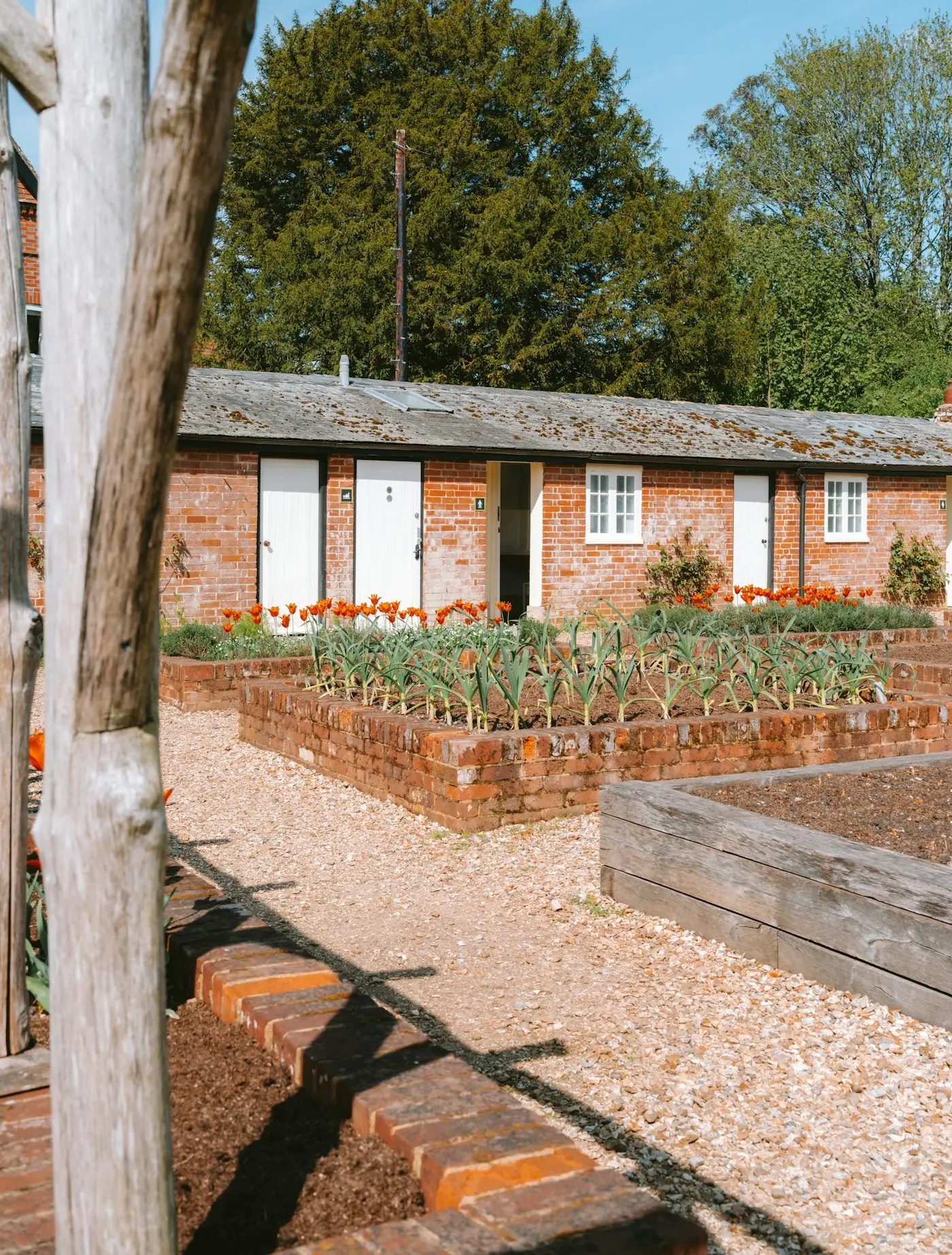
The free-draining chalk loam warms faster in spring than clay soils, which gives Cottingham vegetable growers an advantage. Raised beds in chalk-loam gardens often need less imported topsoil than their clay equivalents, because the native soil with organic matter amendment already grows well. A kitchen garden area with raised beds, soft fruit, espalier fruit trees against a south-facing wall, and a small greenhouse is a popular addition to larger Cottingham plots. The soil's natural drainage also means fewer slug and fungal disease problems than gardeners on heavier soils typically deal with.
Low-maintenance redesigns for busy households
Many Cottingham homeowners are Hull commuters with demanding working weeks and limited time for garden maintenance. A low-maintenance redesign does not mean a bare garden - it means choosing plants that need cutting back once a year rather than weekly deadheading, hard surfaces that need occasional brushing rather than constant weeding, and a structure that holds its shape without intervention. Gravel gardens with drought-tolerant planting, structural evergreens, and self-supporting ornamental grasses all deliver visual interest through the year with minimal ongoing time.
Design styles that suit Cottingham
The chalk loam and village character open up a genuinely wide range of design styles. Contemporary naturalistic planting with grasses and late perennials sits well on larger plots and suits the free-draining conditions perfectly. Traditional cottage-style gardens with roses, alliums, catmint, and hardy geraniums work well and are easy to maintain on chalk. Formal clipped gardens with structure and seasonal interest suit period properties in the village core. Mediterranean-inspired courtyard gardens using lavender, gravel, terracotta and olive trees (protected over winter) are increasingly popular on south-facing sheltered plots.
What does not work well is anything that relies on moisture-retentive acid conditions: woodland gardens with rhododendrons, Japanese-style gardens with acers and azaleas, and peat-heavy bog gardens are all fighting the soil chemistry here. The investment in imported acid soil is wasted because the chalk buffers back. Work with what you have and the garden rewards you with far less effort.
For a broader gallery of approaches across the county, the Yorkshire garden design ideas blog covers styles from coastal to moorland to urban contexts, with plant and material references throughout.
Cost guide for Cottingham garden design
These ranges reflect typical Cottingham costs. Larger plot sizes push design and build costs toward the higher end of these ranges. Designers quote directly; these are reference figures, not fixed prices.
| Service | Typical cost | What it includes |
|---|---|---|
| Initial consultation | Free to £75-150 | Site visit, brief discussion, outline proposal. |
| Planting plan only | £350-900 | Scaled scheme, plant list, spacings. You implement. |
| Full design with project management | £900-3,500+ | Design, contractor coordination, planting oversight. |
| Hard landscaping (patio/terrace) | £2,500-8,000+ | Preparation, materials, labour for 30-60 sqm area. |
| Full garden makeover (50-100 sqm) | £6,000-18,000+ | Clearance, hard landscaping, planting, establishment. |
| Kitchen garden setup | £500-1,500 | 2-4 raised beds with improved soil, initial planting. |
| Lawn renovation | £400-1,200 | Scarification, aeration, overseeding, feed. |
For a full breakdown of what garden work costs across Yorkshire, our gardening cost guide covers the main variables by project type.
Plants that perform in Cottingham's conditions
The chalk loam opens up a specific and beautiful palette. These are the plants that consistently perform well in HU16 without needing soil amendment or special treatment:
- Hardy perennials: Hardy geraniums (Rozanne, Patricia, Johnson's Blue), salvia Caradonna and May Night, catmint Six Hills Giant, alliums (Purple Sensation, Globemaster), echinacea, penstemon, and nepeta for long season colour.
- Grasses: Stipa tenuissima for movement in exposed spots, Calamagrostis x acutiflora Karl Foerster for upright structure, Festuca glauca for dry edges, Pennisetum alopecuroides for late-season colour.
- Shrubs: Lavender (Hidcote, Munstead), rosemary, buddleja, potentilla, philadelphus, and native hawthorn for hedging. Roses perform well - particularly shrub roses like Rosa rugosa and climbing varieties on walls.
- Structural plants: Yew for topiary and hedging (chalk is ideal for yew), beech for boundary hedging, viburnum tinus for winter flowers, and box for low edging on formal schemes.
- Bulbs: Alliums, narcissus, species tulips (lift after year one in very free-draining spots), camassia, and crocosmia for late summer colour.
A local designer will assess your specific aspect and microclimate - a sheltered south-facing Cottingham plot can grow a wider range than an exposed north-facing one. See the garden maintenance service for ongoing care once planting is established.
Process: what to expect from a Cottingham garden designer
- Initial brief. You describe your garden, your budget, and what you want from the space. Photos of the existing planting, any mature trees, and the aspect of the plot are helpful context for the designer before the site visit.
- Site visit. The designer assesses soil depth and quality, drainage, sun and shade patterns, plants worth keeping, and any structural issues. Most Cottingham site visits are free or included in the design fee.
- Proposal and costings. You receive a scaled proposal with a plant list, quantities, spacings, and indicative costs for both design and build. This is your decision point before any money is committed.
- Phasing if needed. Larger Cottingham gardens are often phased: hard landscaping and structural planting in year one, softer planting and finishing in year two. This spreads cost and allows the garden to develop naturally.
- Installation and establishment. The designer sources plants, oversees planting, and advises on aftercare through the first season. Mulching is particularly important in the first year on chalk soil while plants establish their root systems.
Frequently asked questions about garden design in Cottingham
What soil does my Cottingham garden have?
Most Cottingham HU16 gardens sit on chalk-derived alkaline loam, part of the southern Wolds fringe. The soil is naturally free-draining and alkaline (pH 7.2-7.8). Topsoil depth is typically 25-40cm over chalk or chalky subsoil. Annual mulching builds organic matter and helps with summer moisture retention. Acid-loving plants like rhododendrons will not thrive here; limestone-tolerant plants perform far better.
How much does garden design cost in Cottingham?
A planting plan typically costs £350-900. Full design with project management runs £900-3,500+. Full garden builds for a mid-to-large Cottingham plot typically run £6,000-18,000+. Designers quote directly with no call centre fees. See our Yorkshire garden designer cost guide for typical ranges by project type.
What plants work well in Cottingham's chalky soil?
Lavender, salvia, catmint, alliums, and hardy geraniums all thrive in Cottingham's alkaline free-draining loam. Ornamental grasses like Stipa tenuissima and Calamagrostis perform well. For structure, yew and beech are ideal hedging choices. Avoid acid-lovers: rhododendrons, camellias, and azaleas will not establish on chalk-based soil.
Is Cottingham a good location for a formal or designer garden?
Yes - Cottingham's detached family properties on established plots, combined with chalk-loam that suits yew, beech, and box, make it a strong setting for formal structured garden design. The soil warms quickly in spring, the drainage is naturally good, and the village character lends itself to well-considered rather than utilitarian outdoor spaces.
Related services
Once your design is planted up, regular garden maintenance keeps it in good shape through the growing season. For overgrown or neglected plots that need clearing before design work can start, see our garden clearance service. For established hedging once your design includes boundary planting, see hedge trimming in East Yorkshire.
Related: find a gardener in Cottingham
Areas near Cottingham we also cover
We cover garden design across the wider East Yorkshire area. For the market town nearby, see garden design in Beverley. For Hessle and the Humber villages, see Hessle garden design. For the full service overview, the garden design service page lists all Yorkshire areas we cover.