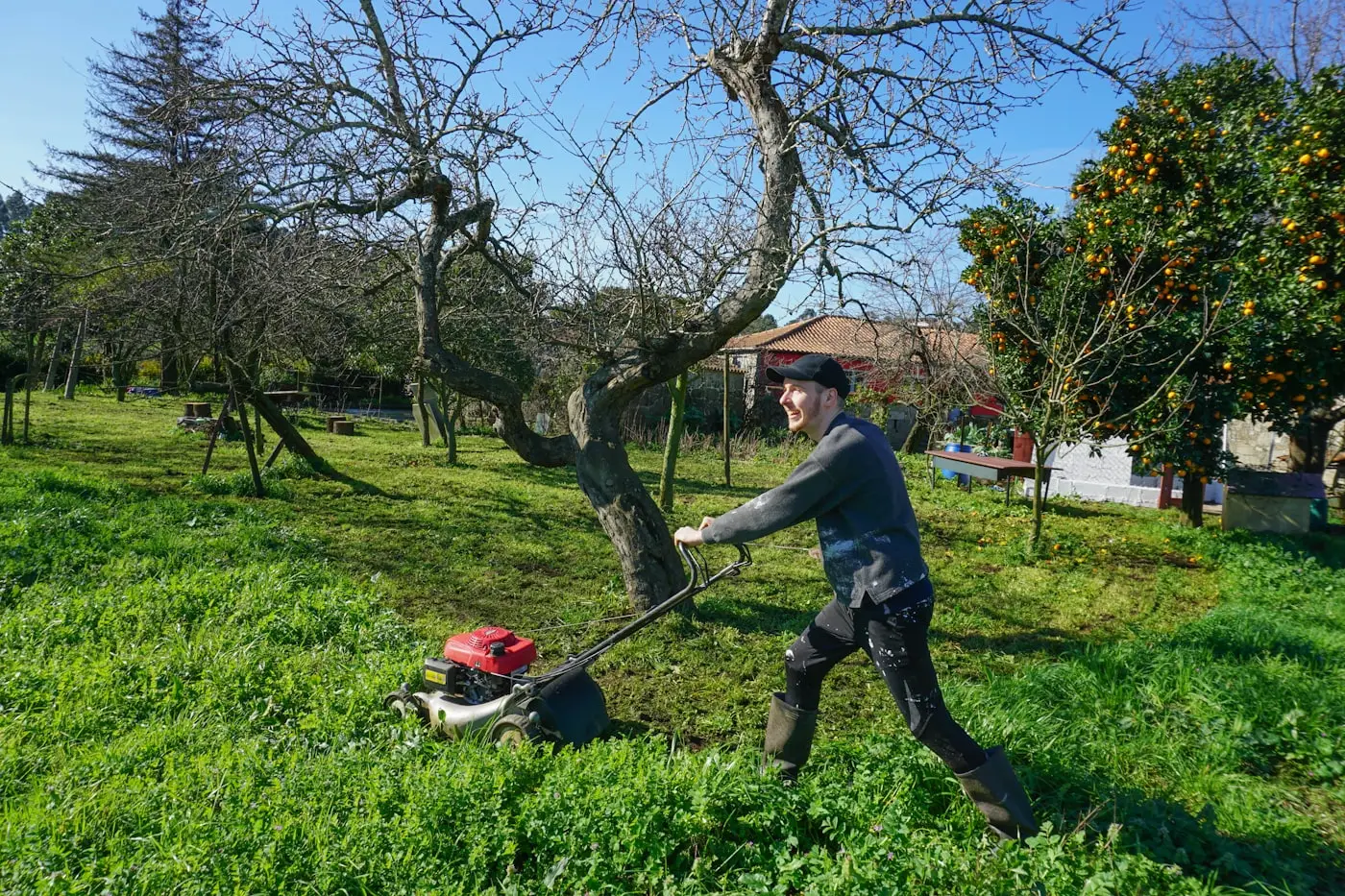
Cottingham is one of the largest villages in England, and its gardens reflect that status. The older streets around the village core are lined with Victorian and Edwardian houses that sit on generous plots - sometimes a quarter of an acre or more - with established borders, mature trees, and decades of accumulated planting that needs skilled hands to maintain rather than simply mow. Further out, the inter-war and post-war development brought more conventional suburban gardens to HU16, but even these benefit from the chalk-loam soil that runs under the whole postcode. If you have recently moved here from Hull or from a heavier-clay part of East Yorkshire, your new garden will behave differently from what you are used to, and understanding why is the starting point for hiring the right person.
Chalk-loam soil: why Cottingham gardens are different from Hull
The chalk-based Wolds fringe that runs under Cottingham is one of the most favourable growing substrates in the East Riding. Where Hull clay sits heavy, cold, and waterlogged from November through March, Cottingham chalk-loam drains freely, warms up faster in spring, and supports a wider range of planting without the structural amendments that clay gardens require. Borders in HU16 can be pushed earlier in the year than those just across the postcode boundary to the south, and lawns recover faster after wet spells because the excess water moves down through the profile rather than pooling on the surface.
This has practical implications for when work gets scheduled. The first cut of the year in Cottingham often comes a week or two earlier than it would in a Hull clay garden because the soil firms up sooner after winter. A gardener who works both postcodes will already know this and adjust their Cottingham visits accordingly. If you are interviewing a gardener who treats all of East Yorkshire as a uniform clay challenge, that is worth noting - it suggests they have not worked HU16 much or have not paid attention to what they are working with.
The flip side of free-draining chalk-loam is that it loses moisture faster in summer. Your borders and lawns in Cottingham will dry out more quickly during a dry June or July than the same plants would in a heavier soil. Feeding in spring matters more here than in a clay garden, because the nutrients move through the profile with the water rather than being held at the surface. A good HU16 gardener will factor this into their spring programme - applying a slow-release feed in March or April rather than leaving the soil to rely on its own reserves into the summer.
Conservation area considerations in old Cottingham village
A number of streets in the old village core fall within the Cottingham conservation area. This does not typically affect routine garden maintenance, but if you are planning significant work - removing a mature tree, altering a boundary hedge on a street-facing boundary, or making structural changes to a front garden - it is worth checking with the East Riding of Yorkshire Council planning department before you proceed. A gardener experienced in the village core will flag this for you rather than discovering it after the fact.
What gets booked in Cottingham gardens
Fortnightly garden maintenance through the growing season is the backbone of most Cottingham arrangements. For the larger Victorian and Edwardian properties in the old village core, a fortnightly visit might cover two or three hours of work - lawns front and rear, extensive border maintenance, path edging, and clearing down from the previous fortnight's growth. For the more modest suburban plots in the outer HU16 streets, the same fortnightly pattern applies but the visit is shorter and the work more straightforward. Most Cottingham gardeners settle into this rhythm by April and continue through to October.
Hedge trimming is consistently booked across HU16, but the character of the hedging differs by street. The older village core has mature beech, hornbeam, and yew hedges that have been in place for generations and need careful, knowledgeable trimming to maintain their shape without setting them back. The suburban streets have the more familiar privet and leylandii of the 1960s and 1970s, which are now old enough to require proper equipment and some skill to handle. If your hedge is at the more complex end - a formal beech or yew on a period property - ask whether the gardener has experience with formal hedging rather than assuming it is covered by a general maintenance quote. The hedge trimming cost guide covers what to expect to pay for different types.
Lawn care in Cottingham benefits from the chalk-loam substrate, but lawns on the older village plots still need annual attention. Aeration in September or October improves the already-good drainage further and prevents the slight compaction that builds up under regular mowing. Overseeding thin patches - particularly in shaded areas under mature trees - is worthwhile in most years on the larger plots. The lawn aeration guide for Yorkshire explains when and why this makes the most difference. For lawns that have been neglected or are recovering from tree removal, overseeding combined with a top-dressing of good-quality loam will establish a dense sward in two seasons on Cottingham soil.
One-off jobs - spring tidies, autumn cut-backs, garden clearances ahead of a sale or renovation - are also regularly booked in HU16. The large plots in the old village can take a full day or more to bring back to a maintained standard after a period of neglect, and a realistic assessment upfront about scope and price is more useful than a lowball quote that expands on the day. For the scope of what a proper clearance involves, the garden clearance service page and the garden clearance cost guide both set useful expectations.
Border planting and garden redesign come up more in Cottingham than in many East Yorkshire postcodes, partly because the properties are larger and the gardens more established, and partly because the HU16 demographic includes a proportion of households who are genuinely interested in garden improvement rather than just keeping things tidy. If you want maintenance alongside planting advice or border redesign work, be clear about this when first making contact - not all experienced maintenance gardeners also do design work, and finding someone who does both well is worth the search. The garden makeover service page covers what a redesign project typically involves.
What it costs to hire a gardener in Cottingham
Cottingham sits at the premium end of the East Riding rate range. The combination of affluent properties, larger and more complex gardens, and strong proximity to Hull, Beverley, and Market Weighton (which all have their own gardener supply) means that experienced gardeners who know HU16 command slightly higher rates than the basic East Riding average. The full UK gardener cost guide gives the national context; the table below covers the Cottingham HU16 range specifically.
| Rate type | Cottingham HU16, 2026 | Notes |
|---|---|---|
| Hourly rate (maintenance) | £25-£42/hr | Regular contracts at the lower end; one-off or complex work higher |
| Day rate (7-8 hrs) | £160-£240 | Full clearance, restoration, or larger project work on period plots |
| Fortnightly maintenance visit | £40-£65 per visit | Medium to large HU16 garden on a regular contract |
| One-off lawn cut | £35-£60 | Smaller front lawns at the lower end; large rear plots at the higher end |
| Spring tidy (one-off) | £100-£280 | Larger period plots at the top end; compact suburban gardens lower |
| Hedge trimming (mature beech/yew) | £65-£180 per visit | Period hedges requiring formal trimming at the higher end |
| Lawn aeration and overseeding | £80-£200 | Hollow-tine aeration, overseed, and top-dress; depends on lawn area |
For the broader picture of what gardeners charge across the county, see the gardener hourly rate guide. Cottingham sits at the upper end of what East Yorkshire commands, in line with Beverley and the affluent Wolds villages rather than the Hull city rate.
When to book and how to plan the season
The chalk-loam soil means Cottingham's gardening season starts earlier than in heavier-clay East Yorkshire postcodes. Borders can often be cleared and planted from late February or early March in a mild year, and the first lawn cut of the year comes before the April date that applies to most of the Vale of York. This earlier start is worth building into your booking timeline: if you want a gardener to begin fortnightly visits in March, contact them in January or February rather than waiting for the spring urge to hit in late March when the best slots are already taken.
The spring garden tidy guide covers what the first seasonal visit should include across Yorkshire; for Cottingham specifically, the priority in March is getting borders cleared of winter debris before the chalk-loam warms and new growth starts accelerating. On the larger period plots, this can be a half-day or full-day job before the fortnightly routine begins. For the Yorkshire lawn care seasonal calendar, the Wolds fringe timing applies to Cottingham rather than the later calendar for clay-dominated postcodes.
Hedge trimming has a legal constraint that applies everywhere in HU16: the nesting season runs roughly from March to July, and disturbing an active nest is a criminal offence under the Wildlife and Countryside Act. In practice this means hedge trimming should wait until mid-May at the earliest, and any gardener who proposes cutting hedges in April without checking for nesting activity is taking a risk on your behalf. Most experienced Cottingham gardeners will do a visual check before beginning and will advise you if a nest is present. The second main trimming window is August, once the majority of late-summer nesting activity has concluded.
How to find a gardener in Cottingham
Word of mouth in Cottingham works well, particularly in the old village core where gardening is taken seriously and people notice who is doing good work on the period properties. If a neighbour's garden looks well-maintained and you do not know who does it, asking directly is straightforward and gives you a genuine reference from someone whose soil and microclimate match yours. The Cottingham and surrounding area Facebook groups are active and a post asking for recommendations typically draws responses from people with first-hand experience.
For newer arrivals to HU16 or households who want a more systematic approach, a introduction service that pre-vets gardeners for chalk-Wolds experience is more reliable than a national aggregator platform. National platforms forward your enquiry to multiple contractors simultaneously - some of whom will have no knowledge of HU16's specific soil conditions - and the best local gardeners rarely source work through aggregator sites. They fill their seasons through recommendation and direct contact.
When you make first contact with any gardener, ask to see their public liability insurance certificate (check the insurer, cover level, and expiry date), confirm they hold a Waste Carrier's Licence if green waste will be removed from site, and ask whether they have worked chalk-loam gardens specifically. A gardener who covers both Hull clay and Cottingham chalk-loam will understand the difference; one who treats all of East Yorkshire as identical heavy clay has probably not worked your postcode before. The Cottingham town page and the broader East Yorkshire gardeners overview both have additional context on the area.
Frequently Asked Questions
What garden jobs are typical for Cottingham properties?
Fortnightly lawn and garden maintenance from April to October is the most common arrangement, with earlier starts possible given the chalk-loam soil. Large period properties in the old village core involve more complex border maintenance, formal hedging, and established planting than the suburban HU16 streets. Hedge trimming, spring tidies, and annual lawn renovation - aeration and overseeding - are all consistently booked. Garden redesign and planting updates come up more in Cottingham than in many East Yorkshire postcodes.
What do gardeners charge in Cottingham HU16?
Hourly rates in 2026 run £25-£42, with fortnightly maintenance visits for a medium to large HU16 garden priced at £40-£65 per visit on a regular contract. Cottingham sits at the premium end of East Yorkshire rates. For full context on what drives prices, the UK gardener cost guide is the reference point.
Is it easy to find a gardener in Cottingham?
More straightforward than many East Yorkshire postcodes. Proximity to Hull, Beverley, and the University of Hull means gardeners from several directions cover HU16. The challenge is finding one specifically experienced with chalk-loam conditions rather than Hull clay. Ask about HU16 experience directly; word of mouth in the village is reliable. See the East Yorkshire gardeners guide for broader coverage.
When should I book a gardener in Cottingham?
For fortnightly maintenance starting in March or April, contact gardeners in January or February. The chalk-loam warms earlier than clay, so the season starts sooner than neighbouring postcodes. Spring tidy: book in January for a February or March slot. Hedge trimming: from mid-May after nesting season. Aeration and overseeding: September or October. The Yorkshire lawn care seasonal guide covers timing in detail.
Related reading
- Gardeners in East Yorkshire - the regional overview
- How much does a gardener cost in the UK? (2026)
- Yorkshire lawn care guide - seasonal calendar
- Lawn aeration in Yorkshire - when and why
- Hedge trimming cost guide
- Cottingham town page
- Garden maintenance across Yorkshire
Gardeners in other nearby areas
We cover Cottingham and the surrounding East Yorkshire corridor:
Get a quote for your Cottingham garden.
60-second assessment. If a local HU16 gardener takes your enquiry, they call you with a price for your specific garden and job.
Start the assessment