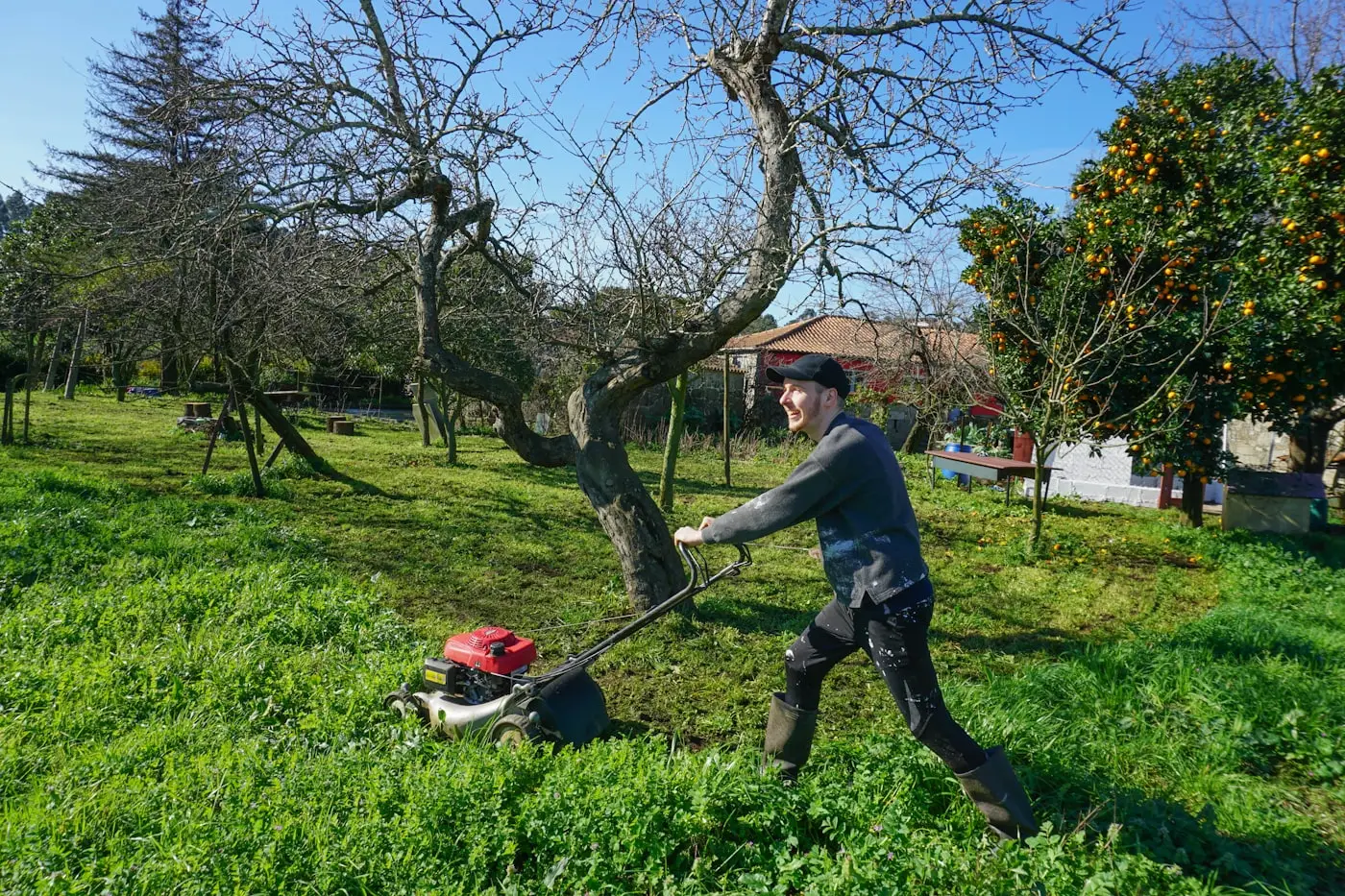
Swanland is one of those East Yorkshire villages that punches considerably above its size in terms of garden quality. The chalk and Wolds loam running under HU14 is genuinely excellent growing ground - free-draining, mineral-rich, and capable of supporting the kind of planting that turns a competent garden into a remarkable one. The large executive properties that characterise the village, many with gardens of half an acre or more, represent real investment in outdoor space. When you combine good soil, large plots, and householders who care about the result, the standard of what you are looking for in a gardener rises accordingly. Generic maintenance gardening is not what Swanland gardens need - skilled horticultural management is.
Chalk-Wolds loam: the best growing ground in East Yorkshire
The chalk and Wolds loam across Swanland and the HU14 villages is a soil type that gardeners talk about with genuine appreciation. Where the clay-dominated postcodes to the east and south create challenges - waterlogging, compaction, slow spring warm-up - the free-draining chalk loam here simply grows things. The soil warms early in spring, allowing borders and lawns to be pushed from February or March in a mild year. Drainage is natural and reliable; the kind of persistent wet patches that plague clay lawns through November to March are largely absent from Swanland gardens on the chalk zone. And the mineral content of the chalk-derived loam supports a wide range of planting without the structural amendments that clay gardens require.
For your lawn, chalk loam means a different management approach than the aeration-heavy regime that clay gardens need. A Swanland lawn on good chalk loam does not compact as readily as a clay lawn, but it does dry out faster in summer because the free-draining nature of the soil moves moisture through quickly. Feeding in March and again in September is more important here than in clay gardens, where nutrients are held longer. In a dry summer, a Swanland lawn will show stress earlier than a clay lawn - not because the soil is poor, but because it does not store water in the way that heavy clay does. A light summer feed and, in a prolonged dry spell, supplementary watering will keep a chalk loam lawn looking good through July and August. For the seasonal care calendar, the Yorkshire lawn care guide covers the chalk-Wolds timing that applies to HU14.
The flip side of the chalk loam's excellent drainage is that it responds very well to good horticultural practice. Add organic matter to your borders in autumn and the soil structure improves visibly over two or three seasons. Feed properly and the plants perform at their potential rather than struggling. Choose the right species for the conditions and you will have a garden that looks significantly better than what the same effort would produce in a clay-dominant East Yorkshire postcode. This is the soil advantage that Swanland gardens have, and it is worth making the most of with a gardener who understands it.
Conservation village character in Swanland
Swanland's conservation village status means that the external appearance of properties and boundaries is subject to some planning consideration, particularly for street-facing elements. Significant alterations to front garden boundaries, removal of mature trees, or changes to the character of street-facing hedges may need checking with the East Riding of Yorkshire Council before proceeding. Routine maintenance is unaffected. A gardener with experience in the conservation village streets will flag anything that sits in the grey zone rather than discovering a problem after the fact.
What gets booked in Swanland gardens
Fortnightly garden maintenance from April to October - or from March on the chalk loam in a mild year - is the standard arrangement for most Swanland households. On the larger executive plots, a fortnightly maintenance visit is a two to three hour engagement covering extensive lawns, established mixed borders, path edging, and general seasonal management. The scope is considerably larger than in a standard East Yorkshire suburban semi, and the price reflects that. When making first contact with a gardener, give a realistic description of the plot size and the complexity of the planting rather than a generic description that will result in an inaccurate quote.
Hedge trimming in Swanland has a character that reflects the age and quality of the properties. The conservation village streets have beech, hornbeam, and yew hedges that have been in place for decades and need formal, knowledgeable trimming to maintain their shape and health. These are not the same proposition as a privet or leylandii hedge on a 1970s estate, and they should not be quoted on the same basis. A gardener with genuine experience of formal hedging will understand the difference between topping a hedge and shaping one, and will know the timing and technique that keeps a mature beech hedge in good condition year after year. The hedge trimming service page and cost guide cover what different types command in time and price.
Border planting and garden design come up in Swanland more than in almost any other East Yorkshire postcode. The combination of good soil, large plots, and householders who are genuinely engaged with their gardens creates real demand for more than routine maintenance. If you want to redesign a border, add a new planting scheme, introduce a kitchen garden, or bring a neglected section of a large plot back into productive use, Swanland's chalk-Wolds loam gives you the best growing conditions in the East Riding to work with. A gardener with genuine horticultural knowledge and design capability will produce noticeably better results here than one who only mows and trims. The garden makeover service page covers what a design-led project typically involves.
Lawn renovation - aeration and overseeding - is worth scheduling annually on even the best-quality Swanland lawns. The chalk loam does not compact as aggressively as clay, but a lawn under regular mowing traffic benefits from annual aeration to maintain the open structure that makes the soil perform well. Overseeding thin areas, particularly in shaded spots under mature trees, keeps the sward dense and competitive. On chalk loam, the seed establishment rate after overseeding is good - new grass comes through faster than on clay because the soil temperature and drainage are both favourable.
Annual spring clearances set the season up properly on the larger Swanland plots. A thorough spring tidy in February or March - clearing winter debris, cutting back dead growth, edging borders, and preparing borders for the new season - gives the chalk loam's excellent growing conditions the best chance to produce a strong first flush of growth from April onwards. The spring tidy guide covers what this should include; on a larger Swanland plot it often takes a full day and sets the tone for the maintenance season that follows.
What it costs to hire a gardener in Swanland
Swanland sits at the premium end of the East Yorkshire rate range, comparable to Cottingham and the better Beverley streets rather than the Hull city corridor. The quality of the gardens, the size of the plots, and the horticultural expectations of the HU14 demographic all support higher rates than the standard East Riding average. The UK gardener cost guide gives national context; the table below covers Swanland HU14 specifically.
| Rate type | Swanland HU14, 2026 | Notes |
|---|---|---|
| Hourly rate (maintenance) | £25-£42/hr | Regular contracts at the lower end; complex planting and formal hedge work higher |
| Day rate (7-8 hrs) | £165-£250 | Full-day work on larger executive plots; clearance or design-led projects |
| Fortnightly maintenance visit | £40-£65 per visit | Medium to large HU14 garden; larger plots with complex planting at the top |
| One-off lawn cut | £35-£65 | Larger executive plot lawns at the upper end; smaller village plots lower |
| Spring tidy (one-off) | £100-£300 | Large established plots at the top end; full-day work is common on the larger HU14 gardens |
| Formal hedge trimming (beech/yew) | £70-£200 per visit | Formal hedges on conservation village properties command the higher end |
| Lawn aeration and overseeding | £85-£220 | Larger Swanland plots at the top end; responds well on chalk loam |
For the broader East Yorkshire rate picture, the gardener hourly rate guide sets context. The East Yorkshire gardeners overview places Swanland within the regional supply landscape, including how HU14 compares to neighbouring postcodes.
When to book and how to plan the season
The chalk-Wolds loam warms early and the Swanland growing season starts sooner than in the clay-dominant East Yorkshire postcodes. February or early March is realistic for the first border clearance and planting preparations on a mild year, and the first lawn cut often comes in March rather than April on the chalk zone. Build this into your booking timeline: contact gardeners in January for a February or March start, not in March when the season is already underway and the best slots are taken.
The best Swanland gardeners - those with genuine formal hedging experience, horticultural knowledge, and the ability to manage large, complex plots - are not advertising on aggregator platforms. They fill their seasons through recommendation and have been working the same HU14 gardens for years in many cases. Getting into their schedule requires either a word-of-mouth introduction or a service that has pre-established relationships with the gardeners who cover HU14. For the seasonal context, the spring tidy guide and the Yorkshire lawn care seasonal guide both set the timing framework for chalk-Wolds gardens.
Hedge trimming timing is the same across Swanland as everywhere: nesting season from roughly March to July means hedge trimming should wait until mid-May at the earliest and resume again in August. On the formal beech and hornbeam hedges of the older Swanland properties, timing the trim correctly - typically once in June or July after nesting and again in August - is important for maintaining the even finish that formal hedges need. A gardener who has trimmed formal beech hedges in Swanland before will know the right time and technique; one who has not will be working from first principles.
How to find a gardener in Swanland
Word of mouth in the conservation village streets of Swanland is the most reliable route. People here have long-established garden relationships and the referrals they give reflect genuine experience with the HU14 conditions and quality expectations. If a neighbour's garden looks consistently well-maintained and you do not know who does it, asking directly is entirely reasonable in Swanland's community context. The Swanland village Facebook group and the broader HU14 and Brough and Hessle community groups are also active and useful.
For those without an existing network in the village - new arrivals, households whose previous gardener has retired, or properties coming onto the market after a period of owner neglect - a introduction service that pre-vets for chalk-Wolds experience and formal hedge capability is the most efficient alternative to spending weeks making contact with gardeners who may not be the right fit. The Swanland town page and the East Yorkshire overview give additional context on the area and regional supply. Standard checks apply: public liability insurance, Waste Carrier's Licence for green waste, and a conversation about experience with chalk-Wolds loam and formal hedging specifically.
Frequently Asked Questions
What garden jobs are typical for Swanland properties?
Fortnightly maintenance from March or April through October on the chalk-Wolds loam, formal hedge trimming of beech and hornbeam on the older properties, border planting and design work on larger executive plots, and annual lawn aeration and overseeding. The garden makeover service covers design-led projects. The lawn mowing guide and lawn edging service page cover the routine maintenance components.
What do gardeners charge in Swanland HU14?
Hourly rates in 2026 run £25-£42, at the premium end of East Yorkshire rates. Larger complex plots and formal hedge work sit at the upper end. Fortnightly maintenance visits are typically £40-£65 per visit on a regular contract. See the UK gardener cost guide and hourly rate guide for national context.
Is it easy to find a gardener in Swanland?
The supply exists, but finding one with genuine horticultural knowledge and formal hedge experience takes more effort than finding a standard lawn mower. Word of mouth in the conservation village and the Swanland Facebook group are the most effective routes. The East Yorkshire overview gives the broader regional supply context.
When should I book a gardener in Swanland?
For maintenance from March or April, contact in January. The chalk-Wolds loam warms early and the season starts ahead of clay-dominant East Yorkshire postcodes. The best HU14 gardeners fill their seasons early. Hedge trimming: mid-May after nesting season. Lawn aeration: September. The Yorkshire lawn care guide covers the chalk-Wolds seasonal timing in detail.
Related reading
- Gardeners in East Yorkshire - the regional overview
- How much does a gardener cost in the UK? (2026)
- Yorkshire lawn care guide
- Lawn aeration in Yorkshire
- Hedge trimming cost guide
- Swanland town page
- Garden maintenance across Yorkshire
Gardeners in other nearby areas
We cover Swanland and the surrounding western East Yorkshire villages and corridor:
Get a quote for your Swanland garden.
60-second assessment. If a local HU14 gardener takes your enquiry, they call you with a price for your specific garden and job.
Start the assessment