Garden design · Swanland
Swanland garden design and landscaping.
Swanland has some of the best chalk-Wolds loam in East Yorkshire, large executive plots, and a village character that expects gardens to match the houses. We connect you with local designers who understand HU14 conditions and take projects from concept to completed planting. Design from £500.
- Free initial estimates
- Local designers who quote directly
- Design from £500
- No call centres
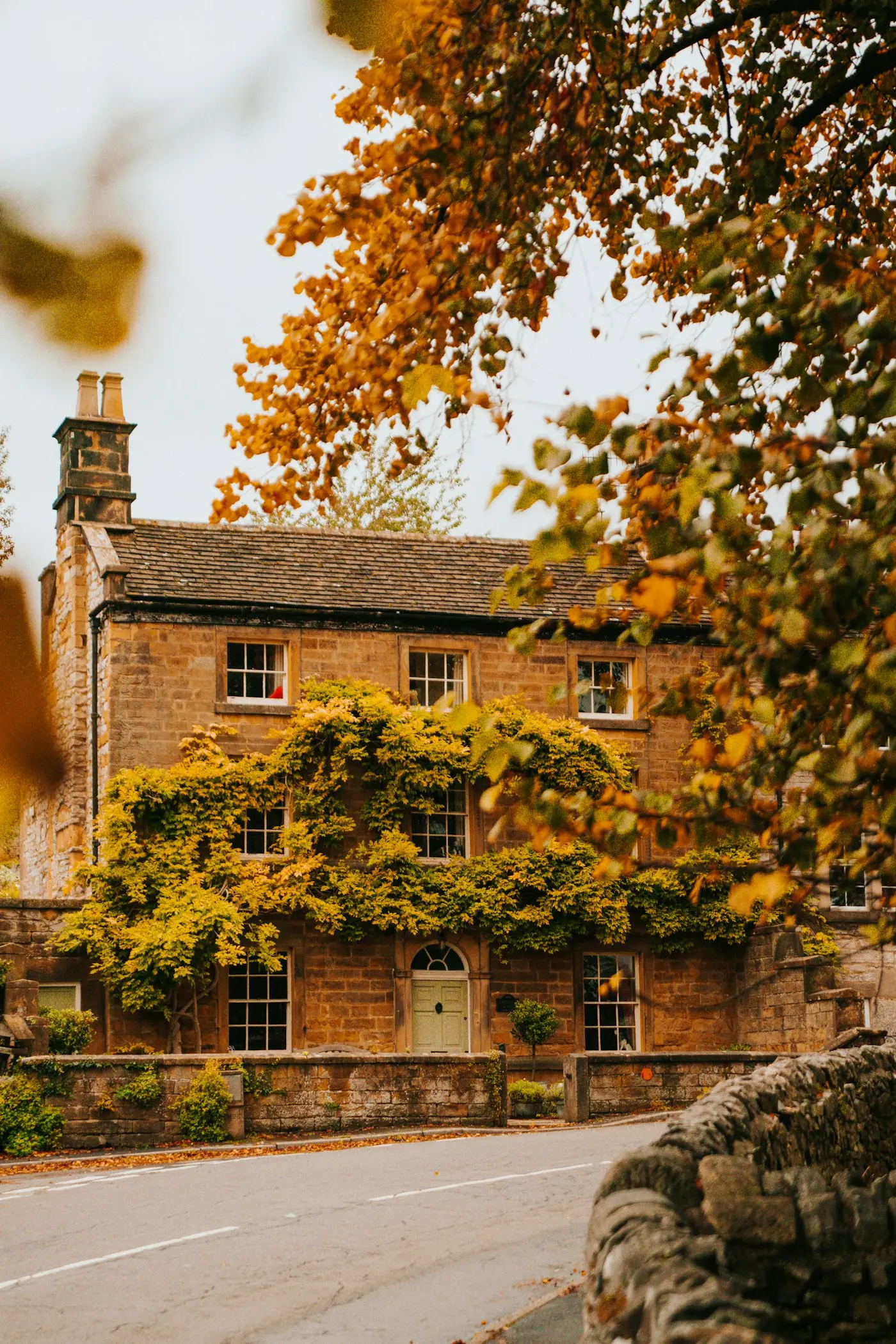
What garden design looks like in Swanland
Swanland is one of East Yorkshire's most desirable villages, sitting on the chalk-Wolds loam above Hessle and within easy reach of Hull's commuter routes west. The HU14 postcode has long been considered among the most affluent in the East Riding, and the housing stock reflects that: detached executive properties, many with large rear gardens and mature tree canopies, in a village setting characterised by its green, open character and well-maintained hedgerow boundaries.
The soil is a genuine advantage. Chalk-Wolds loam at near-neutral to slightly alkaline pH is one of the most versatile growing media in the county. It is well-drained without being as prone to drought as purer chalk; aerated without being as prone to compaction as heavy clay; and mineral-rich without being as alkaline as the most calcareous Wolds tops. Most plants, including species that sometimes struggle on the heavier soils of the Holderness or the more alkaline chalk nearer Beverley, grow very well in Swanland conditions. The designer's job is to use that growing potential intelligently: not to plant the same things as every garden centre customer but to specify a scheme built for your brief, your aesthetic and your amount of time to manage it.
Mature trees are common on Swanland plots. Established oaks, ash, beech and ornamental cherries shape the light conditions, root competition and microclimate within the garden more than almost any other single factor. A designer assesses which trees are worth designing around (often the most valuable assets in the garden), which are in poor condition and should be removed, and how to work with the shade, root competition and leaf litter that major trees generate. Getting this assessment right at the start of a project saves significant money compared to discovering the issues halfway through planting.
The village character of Swanland, with its green, hedgerow boundaries and open space, places certain expectations on garden design. Gardens that complement the village setting, with good hedging, appropriate materials and planting that looks established and intentional, sit well here. Gardens that are over-engineered or use materials incongruous with the surrounding landscape tend to look out of place regardless of how much they cost. A designer who knows Swanland understands the character requirement without needing it explained.
Cost ranges for garden design in Swanland
Swanland projects tend toward the higher end of East Yorkshire ranges, reflecting plot sizes and the quality of specification expected. These are realistic ranges for the HU14 postcode. Designers quote directly after seeing your garden.
| Service | Typical cost | What it includes |
|---|---|---|
| Initial consultation | Free to £100-150 | Site visit, full garden assessment, outline design approach. |
| Planting plan only | £400-900 | Scaled scheme, chalk-loam plant list, spacings. You implement. |
| Full design and project management | £1,000-4,000+ | Comprehensive design, contractor coordination, planting oversight. |
| Tree survey and underplanting design | £400-900 | Tree condition assessment, shade underplanting scheme. |
| Terrace and border design | £1,500-5,000 | Hard surface, border design, plant specification and installation. |
| Full rear garden makeover (100-300 sqm) | £7,000-25,000+ | Clearance, hard landscaping, planting, full establishment phase. |
Swanland plot sizes and the quality of specification typical in HU14 mean full redesign projects are at the upper end of the East Yorkshire range. A designer produces a complete project cost after the site visit. For broader context on what garden design investment involves, see our garden designer cost guide.
Get your Swanland garden sorted this season.
Tell us about your plot and a local designer comes back with a complete, honest figure. No call centres, no subscriptions. Design from £500.
Start your free estimateThe full local guide
Common project types in Swanland
Executive rear garden full redesign
The most common brief in Swanland: a substantial rear garden that has been managed rather than designed for years and now needs a fresh approach. Often includes removing tired or overgrown planting, rethinking the lawn-to-border proportions, specifying a new terrace in quality stone, and designing borders that provide seasonal interest across twelve months rather than peaking in summer and looking empty from October to April. The chalk-Wolds loam supports an exceptionally wide plant palette for this type of project.
Mature tree assessment and underplanting
Existing mature trees in Swanland gardens are assets, not obstacles. A designer assesses condition, structural safety implications for hard landscaping near roots, the extent and depth of root zones, and the light and moisture conditions created in their shade. Once this is understood, an underplanting scheme of shade-tolerant plants (dry shade is the challenge under mature beech; hostas, epimediums, astrantia and the woodlanders cope best) creates genuine interest in what would otherwise be a bare area.
Front garden redesign for kerb appeal
In a desirable village like Swanland, the front garden matters. A well-designed front garden with appropriate stone paving or gravel, structural hedge or wall planting, and a specimen tree or topiary adds significantly to the property's overall visual quality. Chalk-Wolds loam makes this project straightforward: the ground drains well, planting establishes quickly, and there is no technical challenge with soil conditions that needs to be engineered around.
Formal garden with hedged rooms
Larger Swanland plots with the right aspect and plot shape suit a formal garden design with hedged enclosures creating distinct rooms. Yew for the darkest and most formal backdrop, beech for a softer structure with winter interest from retained leaves, hornbeam for a dense formal effect at lower cost than yew. Chalk-Wolds loam grows all three exceptionally well, and a formal hedged garden in this village setting looks genuinely at home in the landscape.
Design styles that suit Swanland gardens
Traditional English formal
Yew or beech hedges creating structure and enclosure, a formal lawn with clear geometry, rose borders, lavender-edged paths, and a stone or York stone terrace. This is the style that ages best on a Swanland executive plot, suits the village character, and allows the chalk-Wolds loam to show what it can grow. It requires consistent maintenance, which is a fair trade for a garden that looks genuinely impressive at all times of year.
Contemporary country garden
Clean lines, quality natural materials (porcelain, limestone, hardwood), bold architectural planting in simple masses, and a restrained palette that reads as modern without looking suburban. On Swanland's loam, contemporary planting (ornamental grasses, salvias, achilleas, echinacea in large drifts) looks genuinely good and requires less maintenance than a traditional cottage border. This style suits the newer executive properties on the village edges and owners who want a designed look without high maintenance input.
Cottage and mixed border
The traditional mix of roses, hardy geraniums, clematis, catmint, salvias, alliums, foxgloves and ornamental grasses in layered borders. Chalk-Wolds loam grows this type of planting extremely well, and on a well-designed Swanland border it can produce outstanding colour and texture from April through to October. The style suits the older, more established properties in the village centre and rewards the regular deadheading and dividing that keeps it looking at its best.
What plants work in Swanland's chalk-Wolds loam
The near-neutral to slightly alkaline chalk-Wolds loam at Swanland is the most versatile growing soil in the East Riding. Plants that perform exceptionally well include: roses (David Austin shrub roses, climbing roses, hybrid teas, species roses), clematis (Montana, viticella, Jackmanii, texensis cultivars), lavender and rosemary, catmint (Nepeta 'Six Hills Giant'), salvias (Caradonna, Hot Lips, Amistad), alliums in layered sequences (Purple Sensation in May, Schubertii and Christophii in June, Mount Everest for white), hardy geraniums (Rozanne, Patricia, Orion), and ornamental grasses (Calamagrostis x acutiflora 'Karl Foerster', Stipa gigantea for gold oat plumes in June and July, Pennisetum orientale).
For dry shade under mature beech or oak: epimedium (Perralderianum, x perralchicum 'Frohnleiten'), Geranium macrorrhizum (highly drought-tolerant once established), Cyclamen hederifolium (naturalises beautifully in dry conditions), Liriope muscari (grass-like, late flowering, tolerates dense shade), and Polygonatum (Solomon's seal) for the more moist areas of shade.
Unlike the heavier clay soils of Howden or the more extreme chalk of Beverley's highest points, Swanland's loam supports a wide range of plants without significant soil amendment. Even plants that sometimes struggle elsewhere in East Yorkshire, including delphiniums, peonies and agapanthus in a sheltered spot, perform well in these conditions when correctly planted.
For year-round management of your Swanland garden once the design is planted up, see our garden maintenance service. For general gardening help, see the local gardeners in Swanland guide.
Process: what to expect from a Swanland garden designer
- Initial brief. Describe your garden, budget, aesthetic preferences and how you use the space. For larger Swanland plots, noting existing trees and features worth retaining helps the designer prepare for the visit.
- Comprehensive site visit. The designer walks the full garden: soil and pH check, tree survey, drainage, aspect across the day, existing plants, boundary conditions, sightlines from the house at different seasons. For larger plots this takes 1-2 hours and produces a more accurate proposal as a result.
- Design proposal and phasing plan. A full layout with zone plan for larger gardens, planting scheme, plant list and quantities, indicative costs, and a recommended phasing sequence. This is your decision point before any commitment to build.
- Phasing. Larger Swanland projects are typically phased across two to three seasons to spread costs and allow earlier plantings to establish. Trees and structural hedging go first; main border planting follows; infill and refinement in year two or three.
- Installation and establishment. Plants sourced at trade prices (often significantly below garden-centre retail for the quality of plant). Planting overseen. Mulching at installation time to protect chalk-loam through summer dryness. First-season aftercare guidance provided.
Frequently asked questions about garden design in Swanland
What soil does my Swanland garden have?
Swanland sits on chalk-Wolds loam: one of the best growing soils in East Yorkshire. Well-drained, near-neutral to slightly alkaline pH, excellent aeration and a mineral structure that supports a wide range of plants. Summer dryness is the main management point; mulching at planting time is essential. Far more versatile than the heavier clays of the Holderness Peninsula.
How much does garden design cost in Swanland?
A planting plan costs £400-900. Full design with project management for a typical HU14 executive garden runs £1,000-4,000+. A complete design-and-build typically costs £7,000-25,000+ depending on plot size and specification. See our garden designer cost guide for fuller context.
How do I make the most of a large Swanland plot?
A zone-based approach: formal area near the house, transition zone (hedged room, specimen tree avenue or rose arch), and a more naturalistic or productive section beyond. Phased over two to three seasons to spread costs and allow early plantings to establish before the full scheme is complete. A designer produces a phasing plan as part of the initial proposal.
Can I have both formal and informal areas in my Swanland garden?
Yes, and on larger Swanland plots this combination works better than a single style applied to the whole garden. A formal terrace and lawn adjacent to the house transitions through a clipped hedge into a looser naturalistic area beyond. The contrast creates interest and a sense of progression. Chalk-Wolds loam supports both styles equally well.
Related services
Once your design is established, regular garden maintenance keeps it performing year-round. For ideas suited to executive East Yorkshire gardens, see our Yorkshire garden design ideas guide. For an overview of what to expect from a full design project, see our garden design service page.
Related: Find a gardener in Swanland
Areas around Swanland we also cover
We cover garden design across the HU14 area and the wider Hull commuter belt: Hessle, North Cave, Beverley, and Anlaby and Kirk Ella. For the full list of areas, see our garden design service page.
For general gardening, lawn care and seasonal maintenance in Swanland, visit our local gardeners in Swanland page. For ideas suited to executive East Yorkshire gardens, see our Yorkshire garden design ideas guide.