Garden design · Hornsea
Hornsea garden design and landscaping.
Hornsea gardens face the full North Sea on one side and heavy Holderness clay on the other. Getting the design right for your HU18 plot means understanding which conditions your garden is actually dealing with before a single plant is specified. We connect you with local designers who quote directly. Design from £500.
- Free initial estimates
- Local designers who quote directly
- Design from £500
- No call centres
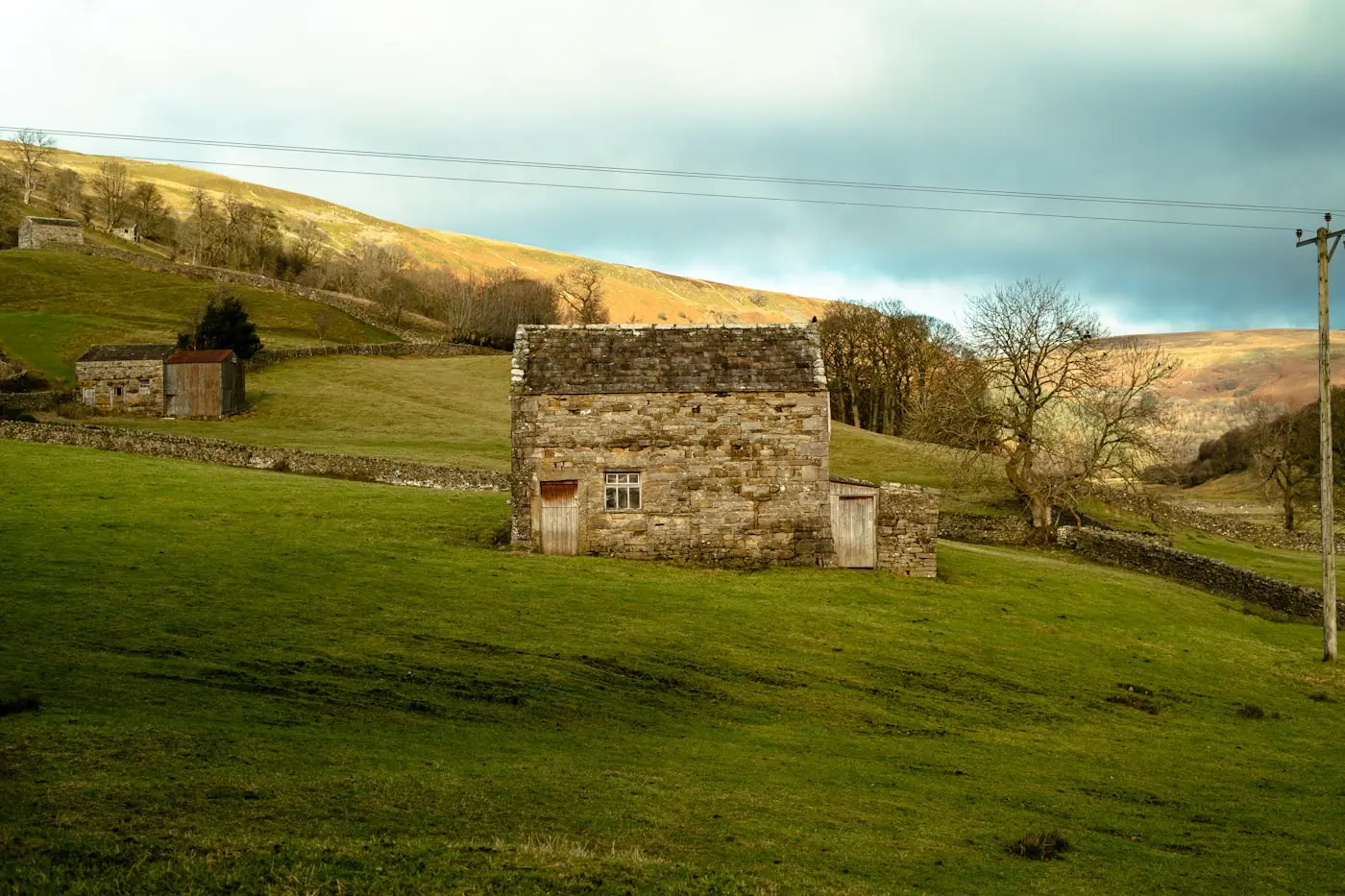
What garden design looks like in Hornsea
Hornsea is a small seaside town on the Holderness Peninsula, roughly midway between Bridlington to the north and Withernsea to the south. Its position on the East Yorkshire coast gives it a dual identity as a gardening location: the seafront and streets closest to the beach face the North Sea directly, with strong winds year-round that limit what will grow without shelter; the inland parts of town and the properties surrounding Hornsea Mere sit on heavier boulder clay that holds water and needs different management.
Yorkshire's largest natural freshwater lake, Hornsea Mere, is one of the town's defining features. Properties with gardens that border the Mere or sit within its drainage catchment can experience seasonally waterlogged ground in winter. This is not a problem if the design accounts for it from the start: raised beds, moisture-tolerant planting and improved surface drainage all create productive, attractive gardens from ground that initially looks unpromising. What it cannot do is be ignored: a conventional planting scheme installed into waterlogged clay without drainage preparation will lose plants within a season.
On the coastal side of Hornsea, sandy loam near the beach gives way to heavier boulder clay within a few streets inland. The sandy ground drains quickly and tolerates wind better than clay; the challenge is drought in summer and the salt-laden air off the sea. Windbreak planting is almost always the first priority for east-facing exposed gardens before anything else is specified.
Hornsea has a significant holiday home and seasonal property presence. Like Filey and Withernsea, the brief for a good proportion of local gardens is low-maintenance and photogenic year-round, with minimal demands on owners who are not always present. Gravel gardens with structural evergreen planting and simple hard surfaces handle this well. They also work with both soil types: the free-draining sandy loam near the coast and the managed clay inland both support a gravel-mulched planting design once appropriate groundwork is in place.
Cost ranges for garden design in Hornsea
| Service | Typical cost | What it includes |
|---|---|---|
| Initial consultation | Free to £75 | Site visit, brief, outline approach. |
| Planting plan only | £300-700 | Scaled scheme, coastal-appropriate plant list, spacings. |
| Full design and project management | £700-2,500+ | Design, contractor coordination, planting oversight. |
| Drainage assessment and raised beds | £250-700 | Clay drainage solution, raised bed layout for waterlogged plots. |
| Coastal windbreak design | £200-500 | Shelter belt specification for exposed east-facing plots. |
| Full garden makeover (50-100 sqm) | £4,500-12,000+ | Clearance, hard landscaping, planting, establishment. |
Hornsea plot sizes and budgets are generally more modest than Hessle or Swanland, and designer fees reflect local conditions. For a fuller picture of what garden design investment involves across Yorkshire, see our garden designer cost guide.
Get your Hornsea garden sorted this season.
Tell us about your plot and a local designer comes back with a real figure. No call centres, no subscriptions. Design from £500.
Start your free estimateThe full local guide
Common project types in Hornsea
Coastal windbreak and shelter belt
For exposed east-facing plots within a few hundred metres of the sea, the design process almost always starts with shelter. Sea buckthorn, escallonia, Griselinia and tamarisk are the primary candidates: all salt-tolerant, all capable of establishing in sandy loam, and all fast enough to provide meaningful shelter within two to three growing seasons. Once the shelter belt is in place, the planting behind it opens up significantly, and the designer can specify a proper ornamental scheme without every plant being chosen primarily for wind tolerance.
Clay soil drainage and raised beds
Inland Hornsea gardens on heavy boulder clay, and gardens near Hornsea Mere that experience seasonal waterlogging, benefit from a structural approach: raised beds built on a permeable sub-base, French drains directed to a soakaway, or in some cases a complete regrading of the garden surface to move water away from planting areas. These are not complex engineering projects, but they do need to be done before any planting investment is made. A designer surveys the ground and specifies the right drainage solution for your specific conditions.
Holiday home low-maintenance redesign
Gravel mulch, evergreen structural planting, and hard-wearing surfaces that hold up through summer letting without weekly attention. The brief is specific: looks good in photographs, no specialist knowledge needed to maintain between visits, no seasonal obligations that require the owner to be on-site at particular times of year. This is a design discipline in itself, and getting it right produces a garden that genuinely manages itself rather than simply looking manageable.
Cottage-style rear garden for permanent residents
For Hornsea residents who are in the town year-round and want a proper cutting garden, kitchen garden or ornamental cottage planting, sheltered rear gardens away from the direct coastal blast can support a wide range of plants. Hardy geraniums, roses (on a protected south or west wall), salvias, alliums, foxgloves and ornamental grasses all perform well once wind protection is established. These gardens need more active management than low-maintenance designs but reward it with seasonal interest through nine months of the year.
Design styles that suit Hornsea gardens
Coastal naturalistic
Grasses, sea hollies, echinacea, rudbeckia, nepeta and self-seeding annuals in a loose, naturalistic structure. Well suited to sandy loam near the seafront, wind-tolerant once established, and provides movement and texture through the growing season. This style sits well in Hornsea's coastal setting and benefits from the town's proximity to the open shoreline landscape.
Low-maintenance gravel garden
Permeable gravel over a semi-permeable membrane, bold evergreen specimens, and a small number of reliable perennials. Almost zero maintenance once established. Handles drought well on sandy ground and, with appropriate drainage, works on managed clay plots too. The right choice for holiday properties and part-time residents.
Productive kitchen garden
On sheltered plots away from the coast, heavy Holderness clay is remarkably fertile once it is managed. Raised beds on a clay-dominant garden can produce excellent vegetables, fruit and herbs. Brassicas, root vegetables and soft fruit all perform well in managed Holderness clay. The design challenge is creating a productive layout that is also visually coherent, with good access paths and a logical harvesting sequence.
What plants work in Hornsea gardens
For exposed coastal plots: sea buckthorn, escallonia (Donard Seedling or C.F. Ball for a dense informal hedge), Griselinia littoralis (compact and dense, tolerates salt well), tamarisk, rosemary, erigeron, red valerian, Phormium tenax and Stipa tenuissima (the grass moves beautifully in coastal wind and tolerates sandy soil and salt air). These are the plants that form the backbone of any coastal Hornsea planting scheme.
For sheltered and inland clay plots: astilbe, Iris sibirica, Ligularia dentata (Desdemona), candelabra primulas, hostas, and Persicaria (bistort) all take advantage of the clay's moisture-holding capacity once drainage is managed. These are highly ornamental plants that would fail in sandy coastal ground but thrive in fertile managed clay. On neutral to slightly acid clay, rhododendrons and azaleas are also possible where pH allows, unlike the alkaline chalk-loam of Hessle and Swanland.
For year-round management of your Hornsea garden once the design is established, see our garden maintenance service. If the garden needs clearing before design work can begin, ask about clearance when you submit your estimate.
Process: what to expect from a Hornsea garden designer
- Initial brief. Describe your garden, budget, what you want from the space, and how much time you have to maintain it. For holiday properties, mention how often the garden is unattended and whether you want it to be completely self-sufficient.
- Site visit. The designer checks soil type (sandy vs clay), drainage, aspect, wind exposure, existing plants and boundary conditions. For Mere-adjacent plots and low-lying clay gardens, drainage is assessed first.
- Proposal and costings. A planting plan or full layout with plant list, quantities, spacings and indicative costs. For exposed plots, a windbreak specification comes first. This is your decision point before any commitment.
- Phasing. Windbreak and drainage work first, hard landscaping second, main planting third. Getting the sequence right is particularly important in Hornsea where ground conditions can complicate or delay later stages if early preparation is skipped.
- Installation and establishment. Plants sourced at trade prices, planting overseen, first-season aftercare advised. Clay soil benefits from organic matter incorporated at planting time; sandy soil benefits from mulching against summer drought.
Frequently asked questions about garden design in Hornsea
What soil does my Hornsea garden have?
Gardens near the seafront have sandy loam: light, fast-draining, and susceptible to summer drought. Inland properties toward Sigglesthorne sit on heavy Holderness boulder clay: slow-draining, fertile and sometimes waterlogged in winter. Gardens near Hornsea Mere may also experience seasonal waterlogging. Knowing which condition applies to your plot is the starting point for design.
How much does garden design cost in Hornsea?
A planting plan costs £300-700. Full design with project management runs £700-2,500+. A complete design-and-build typically costs £4,500-12,000+ depending on plot size and materials. See our garden designer cost guide for fuller breakdowns.
Which plants handle the North Sea wind in Hornsea?
Sea buckthorn, escallonia, Griselinia littoralis, tamarisk, rosemary, erigeron, Phormium tenax and Stipa tenuissima all handle coastal exposure well. A shelter belt of the toughest species should be established first before specifying any ornamental planting behind it.
My Hornsea garden gets waterlogged in winter. Can it be designed around that?
Yes. Raised beds, French drains, and moisture-tolerant planting (astilbe, Iris sibirica, hostas, Ligularia) all create attractive, productive gardens from ground that holds water. A designer surveys your conditions and specifies the right drainage solution before any planting is agreed.
Related services
Once your design is planted up, regular garden maintenance keeps it in good shape through the seasons. For garden clearance before design starts, ask when you submit your estimate. For ideas on what works in Yorkshire coastal gardens, see our Yorkshire garden design ideas guide.
Related: Find a gardener in Hornsea
Areas around Hornsea we also cover
We cover garden design across Holderness and the East Yorkshire coast: Withernsea, Filey, Beverley, and Hessle. For the full list of areas, see our garden design service page.
For general gardening, lawn care and seasonal maintenance in Hornsea, visit our local gardeners in Hornsea page. For garden design ideas suited to East Yorkshire coastal settings, see our Yorkshire garden design ideas guide.