Garden design · Withernsea
Withernsea garden design and landscaping.
Withernsea faces the full North Sea with virtually no natural shelter, and its Holderness boulder clay presents real drainage challenges. A garden design that works here starts with those two facts and builds around them. We connect you with local designers who understand HU19 conditions and quote you directly. Design from £500.
- Free initial estimates
- Local designers who quote directly
- Design from £500
- No call centres
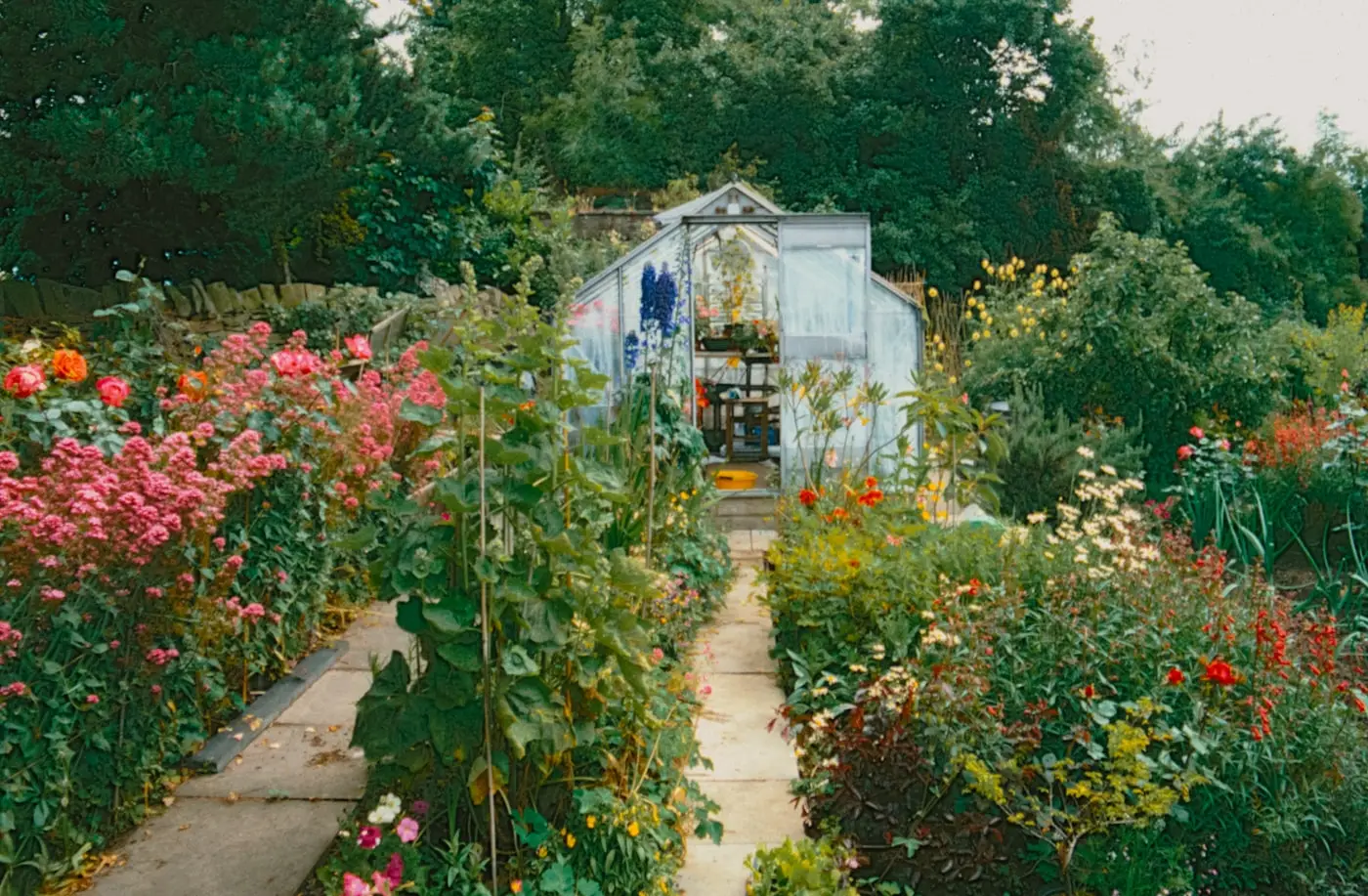
What garden design looks like in Withernsea
Withernsea is East Yorkshire's southernmost seaside town, sitting at the bottom of the Holderness Peninsula between Hornsea to the north and Spurn Point to the south. Its position is more exposed to the North Sea than any other settled point on the Yorkshire coast: there is no promontory, no bay, and no significant topographic shelter between the town and the Danish coast. The wind is a constant companion in Withernsea gardens, particularly on east-facing plots, and any garden design that ignores it will fail within a season or two.
The soil compounds the challenge. Holderness boulder clay is heavy, slow to drain, and can sit waterlogged through the entire winter in low-lying areas. It is also among the most naturally fertile soils in England, which is why the surrounding farmland has been intensively productive for centuries. The same clay that frustrates gardeners by holding water too long will, once you manage the drainage, grow exceptional vegetables, roses and moisture-tolerant perennials that would fail in drier, lighter soils elsewhere in Yorkshire.
Withernsea is a town of two main household types: permanent residents, many of them retired, and holiday home owners who visit seasonally and need a garden that manages itself between visits. Both briefs benefit from a design that is honest about the conditions. For permanent residents, the priority is often making the garden genuinely manageable year-round in weather that is more demanding than most of inland Yorkshire. For holiday home owners, the priority is low-maintenance design that looks good without weekly attention and holds up through seasons when no one is there to tend it.
There is currently very little specialist garden design resource serving Withernsea. Most designers based in Hull or Beverley rarely come this far, and those who do sometimes apply inland design thinking to conditions that require a specifically coastal approach. A well-designed Withernsea garden is not a compromise on inland standards: it is a design that takes its conditions seriously and produces an attractive, functional outdoor space that works with the wind and the clay rather than fighting them.
The lighthouse, which no longer operates as an active navigation aid but remains Withernsea's defining landmark, gives the town a distinctive identity. Gardens visible from the lighthouse or within the older streets of the town centre have a historical character worth referencing. The seafront and the streets closest to the beach are the most exposed; properties on the inland streets a few hundred metres from the sea get noticeably more shelter and can grow a wider range of plants behind appropriate boundary planting.
Cost ranges for garden design in Withernsea
Withernsea project budgets are generally more modest than Hessle or Swanland, reflecting local property values and plot sizes. These are realistic ranges for HU19 gardens. Designers quote directly after visiting.
| Service | Typical cost | What it includes |
|---|---|---|
| Initial consultation | Free to £75 | Site visit, wind and drainage assessment, brief, outline approach. |
| Planting plan only | £250-650 | Coastal clay plant list, scaled scheme, spacings. You implement. |
| Full design and project management | £600-2,000 | Full design including shelter, drainage and planting. Contractor coordination. |
| Shelter belt specification | £200-500 | Windbreak plant selection, spacing, phased planting plan. |
| Raised beds and drainage | £400-1,200 | Timber or stone raised beds, permeable base, growing medium, drainage if needed. |
| Full garden makeover (40-80 sqm) | £4,000-10,000+ | Clearance, drainage, hard landscaping, shelter belt, planting. |
Drainage preparation and shelter belt establishment add to the cost of a Withernsea project compared to a sheltered inland garden. Both are non-negotiable if planting is to succeed. A designer quotes the full cost upfront so you see the complete picture before committing. For broader context on Yorkshire garden design costs, see our garden designer cost guide.
Get your Withernsea garden sorted this season.
Tell us about your plot and a local designer comes back with a complete, honest figure. Wind, clay and drainage included. Design from £500.
Start your free estimateThe full local guide
Common project types in Withernsea
Wind shelter belt and exposed garden redesign
The first design decision for any east-facing or seafront-adjacent Withernsea garden. A shelter belt of sea buckthorn, escallonia, Griselinia and tamarisk planted on the windward boundary takes two to three growing seasons to reach effective height, but once established it transforms what is possible behind it. The design sequence is: specify and plant the shelter belt first, then design the interior planting once the wind environment has changed. Attempting to plant ornamental schemes without shelter on exposed Withernsea plots produces consistent failure and wasted money.
Holderness clay drainage and raised beds
Heavy boulder clay that waterlogged through autumn and winter needs structural response before planting can succeed. Raised beds built on a permeable sub-base lift roots above the saturated zone. French drains cut through the clay pan and redirect water to an appropriate outlet. On the lowest-lying Withernsea plots close to the Holderness water table, a combination of both approaches produces the most reliable result. The drainage work is the unglamorous part of the project, but skipping it and planting into undrained clay produces dead plants by the following spring.
Low-maintenance holiday home garden
Gravel mulch, structural evergreen planting, and hard-wearing surfaces that need nothing more than a seasonal tidy. The specific challenge in Withernsea's conditions is specifying plants that tolerate both the wind and the clay: the coastal species that handle the exposure also need to cope with heavy soil rather than the light sandy loam they prefer on more sheltered coastlines. A designer who knows Holderness selects the overlap plants that do both: sea buckthorn (vigorous on clay), escallonia (clay-tolerant), Phormium tenax (robust on clay), erigeron (tolerates heavier ground than most coastal self-seeders), and Crocosmia (thrives on managed clay and flowers orange-red from July).
Productive kitchen garden behind shelter
Holderness clay is capable of growing outstanding vegetables when it is raised, drained and sheltered from the prevailing wind. A sheltered corner of the garden with raised beds, a windbreak, and a cold frame or small greenhouse extends the growing season and produces crops that the exposed open-air coastal garden cannot. Brassicas, leeks, root vegetables and soft fruit all perform well in managed Holderness clay. This is one of the most rewarding design briefs in Withernsea: a productive kitchen garden that takes full advantage of the soil's fertility without being defeated by its drainage.
Design styles that suit Withernsea gardens
Coastal tough-and-beautiful
A curated selection of wind-tolerant, clay-adapted plants that also have genuine ornamental value: sea buckthorn for structure and orange autumn berries, escallonia for pink flowers from June to September, Crocosmia Lucifer for bold red-orange from July, erigeron for months of small white daisies, Phormium for year-round architectural presence, and ornamental grasses (Deschampsia cespitosa, which tolerates clay and wind better than most grasses) for movement and winter structure. This is not a compromise style: it is the honest response to specific conditions, and it produces a garden that looks genuinely right for its location.
Low-maintenance gravel with structure
Permeable gravel over a geotextile membrane, bold specimen planting in prepared pockets (excavated clay, replaced with free-draining growing medium), and simple hard-wearing surfaces. Minimal maintenance once established. Handles both the wind and the clay conditions when properly prepared. The most practical choice for holiday properties and anyone who cannot commit to regular gardening in demanding conditions.
Productive-ornamental sheltered garden
For sheltered inland Withernsea plots away from the direct coastal exposure, a design that integrates raised vegetable beds with ornamental planting creates a garden that is both attractive and productive. Dahlias (which thrive on managed clay and produce extraordinary cutting flowers from July through October) alongside brassicas, climbing beans on wigwams, and trained espalier fruit against a south-facing wall. This style rewards active gardening and produces a garden with outstanding seasonal interest for those who enjoy being in it.
What plants work in Withernsea's coastal clay
The combination of North Sea wind and heavy clay creates a specific growing environment. Plants that handle both include: sea buckthorn (Hippophae rhamnoides, one of the toughest coastal plants in Britain, vigorous on clay and producing excellent orange berries from September), escallonia (dense, salt-tolerant, pink flowers June-September, adapts to heavier soils better than many coastal plants), Griselinia littoralis (compact and resilient, handles wind and clay adequately), tamarisk (virtually indestructible near the coast, feathery pink flowers in spring and late summer), Phormium tenax (bold architectural leaves, clay-tolerant, wind-resistant), erigeron karvinskianus (lower-growing, self-seeds into gravel and walls, months of small daisy flowers), Centranthus ruber (red valerian, tolerates poor coastal ground and clay), and Crocosmia (orange-red flowers July-August, thrives on managed clay).
On sheltered inland Withernsea plots protected from the direct coastal blast, the palette expands significantly. Dahlias are outstanding on managed Holderness clay, producing exceptional flowers from July through October. Roses grow well on clay once drainage is managed. Astilbe, Iris sibirica, hostas and Ligularia dentata take advantage of the clay's moisture-holding capacity. Ornamental grasses, particularly Deschampsia cespitosa and Molinia caerulea, are more clay-adapted than most grass species and provide good structure.
For year-round management of a Withernsea garden once the design is established, our garden maintenance service covers seasonal tidying and ongoing care. For general gardening help across Withernsea and Holderness, see the local gardeners in Withernsea guide.
Process: what to expect from a Withernsea garden designer
- Initial brief. Describe your garden, budget, how much time you have to maintain it, and whether the property is permanently occupied or used seasonally. For Withernsea, also note which way your garden faces and whether you currently experience waterlogging in winter.
- Site visit and conditions assessment. The designer assesses wind exposure (position relative to the coast, existing shelter or its absence, aspect), drainage conditions (clay depth, standing water patterns, existing drainage), soil type, and current planting. In Withernsea this assessment drives every subsequent design decision.
- Proposal including shelter and drainage. The proposal includes a shelter belt specification if needed, a drainage solution for clay-heavy ground, and a planting scheme for the sheltered zone behind. You see the full scope and cost before any commitment.
- Phasing. Shelter first (ideally planted in autumn for early establishment), drainage second, hard landscaping third, ornamental planting fourth. This sequence is non-negotiable in Withernsea; reversing it produces failures and replanting costs.
- Installation and establishment. Plants sourced at trade prices. Clay soil is planted in spring when it has warmed above 7 degrees and roots can establish before summer heat. Organic matter incorporated at planting time improves clay structure over time.
Frequently asked questions about garden design in Withernsea
What soil does my Withernsea garden have?
Withernsea and the Holderness Peninsula has heavy boulder clay: high fertility, slow to drain, and prone to winter waterlogging. Once managed with raised beds or French drains, it grows excellent vegetables, roses and moisture-tolerant perennials. The clay needs organic matter worked in regularly to improve structure. A site visit confirms your specific drainage conditions.
How much does garden design cost in Withernsea?
A planting plan costs £250-650. Full design with project management runs £600-2,000. A complete design-and-build with drainage, shelter and planting typically costs £4,000-10,000+ depending on plot size. See our garden designer cost guide for fuller context.
What plants survive the North Sea wind in Withernsea?
Sea buckthorn, escallonia, Griselinia, tamarisk, Phormium tenax, erigeron, Centranthus ruber and Crocosmia all handle Withernsea's coastal exposure well. Low-growing and ground-hugging plants suffer least from the wind. A shelter belt of the toughest species establishes first; the planting behind it opens up significantly once protection is in place.
Can I grow a productive vegetable garden in Withernsea?
Yes. Holderness clay is highly fertile and grows excellent vegetables in raised beds. Brassicas, root vegetables, leeks and French beans all perform well. Siting the kitchen garden in the most sheltered part of your plot, with a windbreak on the exposed sides, extends the growing range beyond what an open coastal position allows.
Related services
Once your design is established, regular garden maintenance keeps it performing through the seasons. For ideas suited to Yorkshire coastal gardens, see our Yorkshire garden design ideas guide. For an overview of what garden design involves, see our garden design service page.
Related: Find a gardener in Withernsea
Areas around Withernsea we also cover
We cover garden design across Holderness and the East Yorkshire coast: Hornsea, Filey, Beverley, and Hessle. For the full list of areas, see our garden design service page.
For general gardening, lawn care and seasonal maintenance in Withernsea, visit our local gardeners in Withernsea page. For design ideas suited to East Yorkshire coastal settings, see our Yorkshire garden design ideas guide.