Barlby is a quiet residential village north of Selby, close enough to the town to benefit from Selby's local services but with a distinctly different character - lower density, more established gardens, and the flat river-plain setting that defines the whole landscape between Selby and the point where the Ouse bends south towards Goole. The YO8 postcode covers Barlby and several similar villages in this corridor, and the gardening conditions across all of them share the same defining feature: the alluvial silty loam deposited by centuries of Ouse flooding. This is some of the most naturally fertile soil in Yorkshire, and it produces gardens that grow with considerable vigour - which is both a pleasure and a management challenge if you are not on top of it regularly.
Ouse alluvium: fertile, flat, and drainage-conscious
The silty loam that underlies Barlby and the surrounding Ouse plain is the legacy of millennia of river flooding. Before the Ouse was managed by drainage channels and flood defences, the flat plain between Selby and York flooded regularly, depositing a thin layer of silt each time. The accumulated result is deep, dark, mineral-rich soil that is genuinely excellent for growing - better than most of Yorkshire's heavier clays or thinner chalk soils in terms of natural fertility and organic matter content. If your Barlby garden grows strongly through the season, the alluvial soil is the main reason.
The management consideration that comes with this fertility is drainage. The silty loam drains better than clay - it does not compact and waterlog in the same way - but the flat topography of the Ouse plain means there is nowhere for water to go after heavy rainfall except straight down or very slowly sideways. In a wet autumn or winter, gardens in Barlby can stay saturated for extended periods, and any lawn in a low-lying position will be soft and easily damaged underfoot from November through to March. The good news is that silty loam recovers well once it dries - it does not develop the structural compaction problems that clay does - but you do need a gardener who is willing to defer the first cut until the ground is genuinely firm rather than pushing to start on a calendar date regardless of conditions.
The fertility of the alluvial soil has a specific implication for the Yorkshire lawn care programme: your lawn does not need heavy feeding in the same way a chalk or clay-based lawn might. The natural mineral content in the silt provides a baseline that lighter soils lack. Over-feeding a fertile alluvial lawn in spring can actually push it into excessive soft growth that is more susceptible to disease and harder to manage through summer. A good gardener will calibrate their feeding programme to the soil rather than applying a standard schedule.
Ouse flooding awareness: the low ground near the river
Properties in Barlby that sit closest to the River Ouse - particularly those on or near Barlby Road and the roads running towards the river bank - are in a position where serious flooding events are a background consideration, even if the flood defences around Selby have been significantly improved. Any garden in this zone that has experienced flooding in the past will have had the topsoil composition altered by flood deposits - often improved rather than harmed, but occasionally with silt crusting issues on the surface. If your garden has been flooded and the lawn surface has crusted or capped, a light hollow-tine aeration and overseeding in autumn is the most effective remedial treatment. A gardener with experience of alluvial soil management in the YO8 area will be familiar with post-flood garden recovery.
What gets booked in Barlby gardens
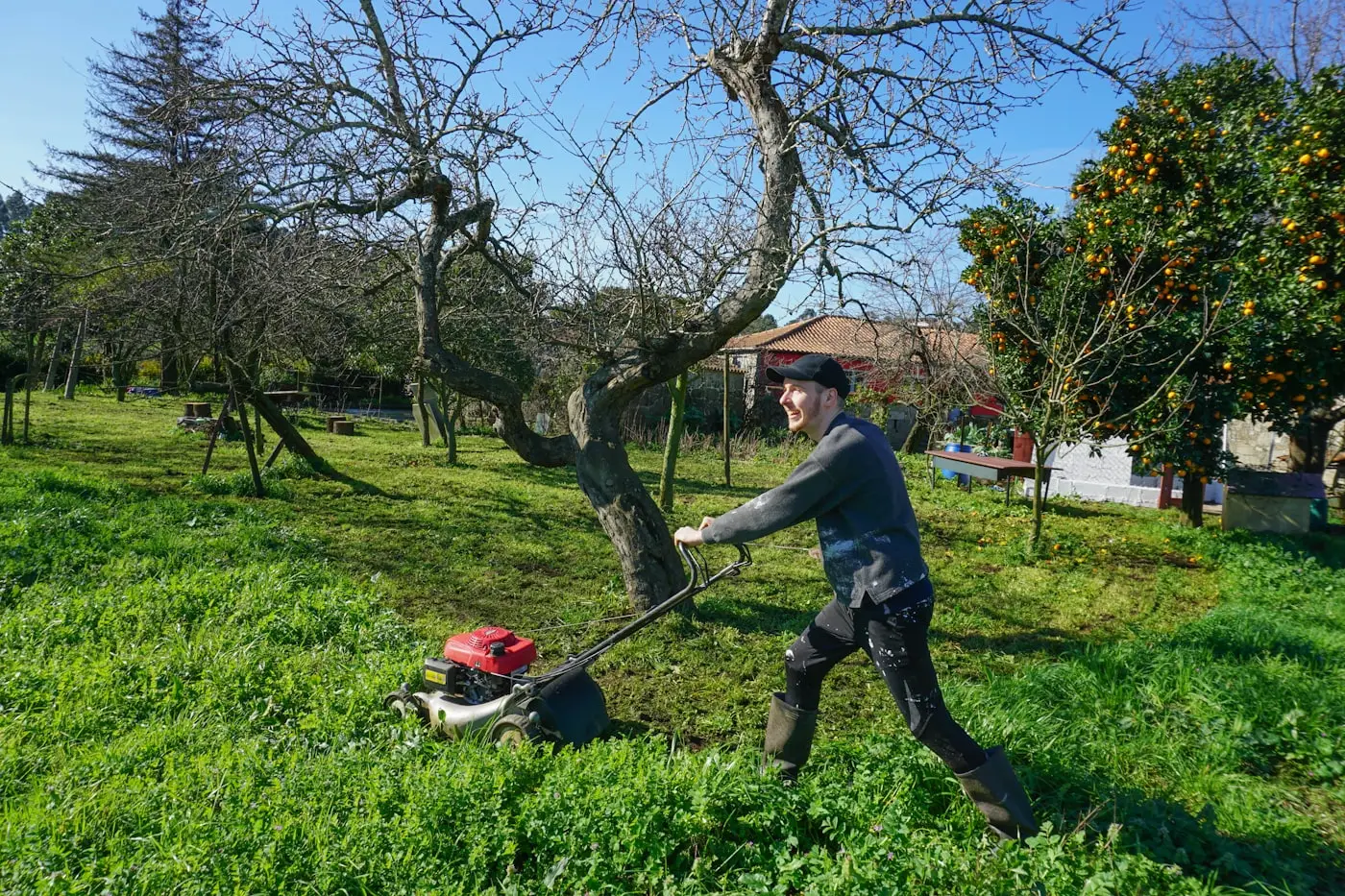
Regular garden maintenance from April to October is the standard arrangement in Barlby, as it is across most of Yorkshire. The fertile silty loam drives strong growth through the main season - May and June in particular can produce grass growth that turns a fortnightly maintenance visit into a challenge if the interval slips to three weeks. On the larger residential plots in Barlby, monthly visits are often insufficient during the peak growth months; fortnightly is the right baseline.
The most practically important task on Ouse alluvium lawns is managing the start and end of the season around ground conditions rather than the calendar. Mid-April is often more realistic than late March as the first cut date in Barlby, because the flat ground stays saturated longer than sloping or higher-altitude sites. Mowing on soft, saturated alluvial soil causes significant surface damage and compacts the silt in a way that takes time to recover. A gardener who knows YO8 will have this conversation with you upfront rather than forcing an early start that damages the lawn.
Lawn edging is particularly important on Barlby gardens because the fertile soil does not just grow grass well - it grows creeping grass and ground-cover weeds just as vigorously. Without regular crisp edging, borders on alluvial soil quickly become soft-edged, with lawn grass running into border plants. Clean edges make a Barlby garden look notably better-maintained than an unedged one and are worth treating as a routine part of every maintenance visit rather than an occasional job.
Weed control is one of the more significant ongoing tasks in Barlby gardens, directly because of the soil quality. Fat hen, docks, bindweed, and couch grass all perform extremely well on rich alluvial soil, and a border that is not actively managed will accumulate a serious weed burden over a season. Couch grass is a particular issue in the Selby corridor alluvial soils - once established, it is persistent and spreads aggressively by rhizome through the rich silt. Addressing it before it gets established is significantly easier than removing it once it is. A gardener who takes border weed management seriously is worth more on Barlby soil than one who does a cosmetic tidy and leaves the deep-rooted perennial weeds in place.
Hedge trimming in Barlby follows the same seasonal rules as across Yorkshire - no cutting in the nesting window from March to the end of July, with the main cuts in June and August. The privet and hawthorn boundaries common on the older Barlby residential properties grow vigorously on alluvial soil, and a hedge that was neat in August will be noticeably shaggy again by June. The hedge trimming costs guide covers what to expect across different hedge types and sizes.
Spring tidies in April and one-off garden clearances are consistently booked in Barlby. The combination of a long wet winter - which prevents outdoor working on soft alluvial ground - and vigorous growth that starts the moment the soil warms in April means that a garden that was left unmanaged through November to March can be significantly overgrown by the time the household is able to start on it. A clearance before a maintenance programme begins is often the practical starting point rather than jumping straight into a routine maintenance contract. For guidance on what clearance work typically costs, the garden clearance costs guide gives the full range.
What it costs
Barlby sits in the York-area rate band - broadly consistent with Selby pricing, which is slightly lower than central York but noticeably lower than the premium garden towns like Harrogate or Ilkley. The gardener cost guide gives the full national context; the table below is specific to the YO8 Barlby area in 2026.
| Rate type | Barlby YO8, 2026 | Notes |
|---|---|---|
| Hourly rate (maintenance) | £25-£38/hr | Regular contracts at the lower end; one-off visits and specialist work higher |
| Day rate (7-8 hrs) | £140-£200 | Full working day for clearance, restoration, or larger garden projects |
| Fortnightly maintenance visit | £35-£65 per visit | Average Barlby residential garden on a regular contract; larger plots at top |
| One-off lawn cut | £28-£55 | Includes edging and clip-up; larger lawns at the higher end |
| Spring tidy (one-off) | £90-£250 | Vigorous growth on fertile alluvial soil can mean heavier clearance than expected |
| Hedge trimming | £55-£160 per visit | Alluvial soil drives vigorous hedge growth; mature hawthorn at the higher end |
| Lawn aeration and overseeding | £80-£190 | Less routine than on clay, but important for compacted or flooded lawns |
Waste removal costs vary depending on volume and what is being removed. The fertile Barlby soil produces substantial green waste volumes from clearance and hedge-cutting work - confirm upfront whether disposal is included in the quoted price and whether the gardener holds a Waste Carrier's Licence. For the full picture on clearance costs, the garden clearance costs guide is the right reference. For the wider Yorkshire rate context, the hourly rate guide covers what to look for across different types of work.
Seasonal timing for Barlby gardens
The flat alluvial position of Barlby means the practical start of the outdoor gardening season is later than at higher, better-drained sites. Mid-April is a realistic first cut date in most years. If you are planning a new maintenance contract, discuss this explicitly with the gardener rather than expecting a fixed April 1 start. The first cut on soft alluvial ground does more harm than good, and a gardener who pushes an early start regardless of conditions is prioritising their schedule over your lawn's health.
The growing season through May and June is vigorous on alluvial soil. This is the period where a fortnightly maintenance schedule is most important - leaving it to three weeks in this window will see the lawn grow ahead of a standard mower's capacity, requiring a higher cut that leaves the grass stressed and the lawn looking scalped rather than well-managed.
Lawn aeration and overseeding in September is the right intervention for any Barlby lawn that has compacted, thinned, or been damaged by waterlogging. September is ideal: the soil is still warm, the late summer growth flush is slowing, and you get six to eight weeks of growth before the season ends. Book this in July or August - September lawn renovation slots in the YO8 area are typically full by the end of August.
Hedge cutting follows the standard Yorkshire nesting-season rules. June is the earliest sensible first cut after nesting ends (check for active nests before you or your gardener cuts), August for a second pass if needed. The alluvial fertility means YO8 hedges push hard after a June cut and will need that August tidy to stay looking sharp through the autumn. The spring garden tidy guide covers the full seasonal task list if you want to plan the whole year's programme in advance.
How to find a gardener in Barlby
Barlby is served primarily by Selby-based gardeners who include the village on their YO8 routes. Some gardeners from the York area also cover the Selby corridor. The proximity to Selby means Barlby is not the difficult-to-serve rural location that some of the more isolated Yorkshire villages present - there is a reasonable pool of people covering this postcode.
Word of mouth in the village is very effective. Barlby has a settled, established community character, and a recommendation from a neighbour on the same street - on the same alluvial soil and in the same flat, low-lying position relative to the Ouse - is the most useful signal you can get. If you see a well-maintained garden nearby, asking who does it is the most direct approach.
For those without a local contact, a introduction service connecting you to a specific vetted gardener for the YO8 postcode is a considerably better option than a national platform, which will produce multiple competing contacts from across a wide area. The gardeners who serve Barlby consistently tend to be Selby-based rather than Hull or York-centred, and having someone who knows the local alluvial soil conditions and the specific character of the Ouse plain gardens makes a practical difference to the advice and programme you will receive. The Barlby town page has further information on local services in the area.
When making first contact, ask about their experience with alluvial silty loam soil specifically. The fertile Ouse plain soils are different from the heavier clays around York and the chalk-influenced soils of the Wolds, and a gardener who knows that difference will give you better guidance on feeding schedules, weed management, and seasonal timing than one who applies a standard approach regardless of what the soil is doing. Confirm public liability insurance (insurer, policy number, cover level, expiry date) and Waste Carrier's Licence for any removed material.
Frequently Asked Questions
What garden jobs are typical in Barlby?
Regular fortnightly lawn maintenance from mid-April to October is the most common arrangement, with the vigorous alluvial soil requiring consistent attention through May and June in particular. Border weed control is an important ongoing task given the fertility of the Ouse alluvium. Hedge trimming for the privet and hawthorn boundaries common in YO8, spring tidies and clearances after winter, and lawn aeration in autumn for any compacted or flood-affected areas are all consistently booked. See the garden maintenance service page for the full list of what is typically covered.
What do gardeners charge in Barlby YO8?
From £25 to £38 per hour in 2026, with fortnightly maintenance visits for an average Barlby residential garden running £35 to £65 per visit on a regular contract. York-area pricing applies - no significant premium, and Selby-based gardeners serve the village at their standard YO8 rates. Day rates for clearance run £175 to £220. For the full rate context, the gardener cost guide covers UK-wide comparisons.
Is it easy to find a gardener in Barlby?
Manageable, with Selby-based gardeners covering the YO8 postcode as part of their regular routes. Word of mouth in the village is very effective. A introduction service targeting YO8 specifically is a reliable alternative for those without a local contact. Book in February or early March for an April start.
When should I book a gardener in Barlby?
For regular maintenance starting in mid-April: contact gardeners in February. The alluvial soil stays wet in the flat Ouse plain, so mid-April rather than late March is the realistic first-cut date in most years. Spring tidies: book in February for an April slot. Hedge trimming: June after nesting ends, August for a second cut. Lawn aeration and overseeding: book in July for a September slot. For the full seasonal guide, the Yorkshire lawn care guide covers timing in detail.
Related reading
- How much does a gardener cost in the UK? (2026)
- Yorkshire lawn care guide - what to do and when
- Garden clearance costs guide
- Weed control in Yorkshire gardens
- Barlby town page
- Garden maintenance across Yorkshire
Gardeners in other nearby areas
We cover Barlby and the surrounding Selby and Lower Ouse corridor:
Get a quote for your Barlby garden.
60-second assessment. If a local YO8 gardener takes your enquiry, they call you with a price for your specific garden and job.
Start the assessment