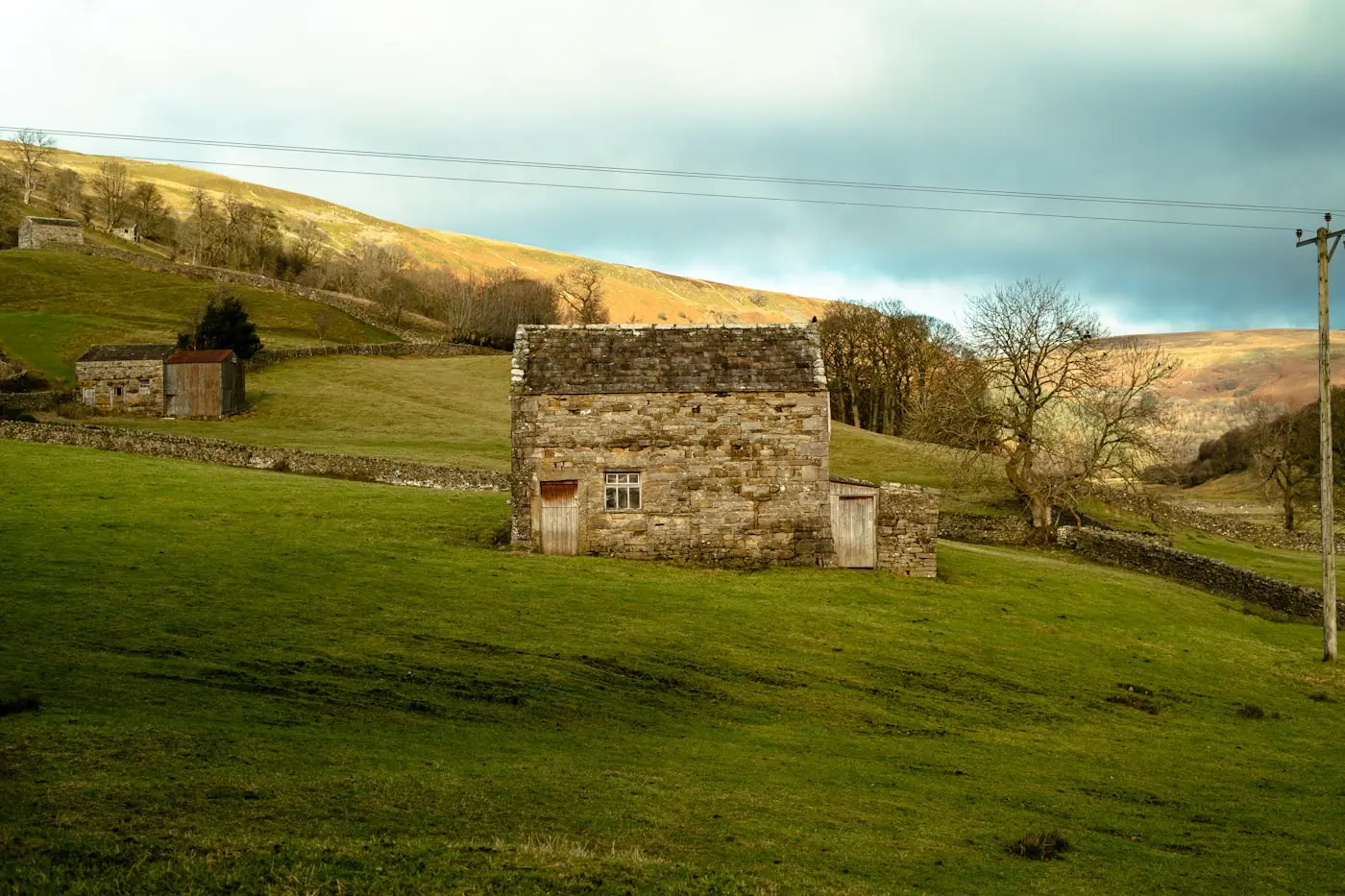
Autumn is where a lot of Yorkshire gardeners lose ground they do not get back until June. The instinct is to tidy everything, cut everything back, and wait for spring. In practice, the right autumn programme is more selective than that - some things genuinely need doing before winter, others actively benefit from being left alone, and a few decisions made in October have consequences that run all the way through to the following summer. This guide goes through what to do, when to do it, and what to leave for the birds and the insects.
Yorkshire's Autumn Timeline
The first thing to understand about Yorkshire's autumn is that it is not uniform. The county spans a significant range of elevations, aspects, and distances from the moderating influence of the North Sea and the Atlantic. This translates into meaningful differences in when the season actually turns.
| Area | First ground frost (typical) | Regular overnight frosts |
|---|---|---|
| Yorkshire Dales (above 200m) | Late September/early October | From mid-October |
| Harrogate, Ripon, North Yorkshire | Mid-October | From late October |
| Leeds, Bradford, Wakefield | Late October | From early November |
| York, Vale of York | Late October/early November | From November |
| Sheffield, Rotherham (urban) | Early November | From November |
| East Yorkshire coast (Scarborough, Bridlington) | November | From late November |
The practical implication: if you garden in the Dales or at altitude in North Yorkshire, your autumn programme starts several weeks earlier than if you garden in Sheffield or Scarborough. Following national gardening guides written for the south of England, which often put autumn tasks in "late October", means missing your window in the north of the county. Use your local first frost date as the anchor for timing, not a calendar date.
October Jobs: What to Do Now
The last lawn cut of the year
The last mow of the season matters more than most people realise because of what it sets up for winter. The rule is not a date but a condition: stop mowing when grass growth has clearly slowed and is producing less than 1-2cm of new growth per week. In Yorkshire, this is typically mid-October in the north of the county, late October to early November further south and east.
Set the mower height higher for the final cuts of the season. Aim for 4 to 5cm finished height rather than your summer cutting height. Longer grass going into winter means more leaf area for the limited photosynthesis that continues through mild spells, slightly better frost protection for the crown, and less scalping risk if the ground settles unevenly over winter. Cutting too short in autumn is one of the most consistent causes of bare patches in the following spring - the crown is exposed to frost and wet without the protection of leaf cover and the damaged grass cannot compete with moss. Our grass cutting service and lawn mowing service covers end-of-season cuts across Yorkshire.
Scarification and aeration: do it in September or early October
Lawn scarification - removing the thatch layer of dead grass stems, moss, and organic debris that accumulates at the base of the sward - is best done in September or early October in Yorkshire, while the soil is still warm enough for the grass to recover. Scarification is a significant intervention: it can leave the lawn looking temporarily rough and thin. The grass needs three to six weeks of mild growing weather to recover fully before winter dormancy, so doing it in late October or November is too late in Yorkshire - the lawn goes into winter looking ragged and takes much longer to recover in spring.
Hollow-tine aeration - using a machine or hand aerator to remove cores of soil from the lawn surface - relieves compaction, improves drainage, and allows air and nutrients to reach the root zone. Do it at the same time as scarification, before overseeding any bare patches. Aeration is particularly valuable in Yorkshire's clay-heavy lawns, which compact readily and struggle to drain freely without regular intervention. Both lawn scarification and lawn aeration are well worth doing as a combined October job.
Autumn lawn feed and overseeding
Apply an autumn lawn feed - low nitrogen, higher phosphorus and potassium - in September or October. The formulation matters: a high-nitrogen spring feed applied in autumn promotes soft, lush growth that is highly vulnerable to frost and to fungal diseases like fusarium patch, which is a genuine problem in Yorkshire's damp autumns. An autumn-formulated feed builds root reserves and hardens the plant, which is what you want before a Yorkshire winter.
Overseeding bare or thin patches is best done in September and early October while the soil is still warm. Grass seed germinates at soil temperatures above 7-10 degrees Celsius - in October the soil temperature in Yorkshire is still in this range and germination is reliable. November overseeding gambles on a mild spell that may not materialise. Buy a seed mix appropriate to the conditions (shade-tolerant for under trees, wear-tolerant for high-traffic areas) rather than a generic "lawn seed". Apply at the recommended rate, rake lightly into the surface, and keep moist until germination. Our lawn treatment service covers overseeding and autumn feed applications across the county.
Bulb planting
Autumn is bulb planting season, and the timing is specific to the species.
Narcissus (daffodils) can go in from late August onwards - the earlier the better, as they establish roots through autumn before producing their spring display. Plant at three times the bulb's own depth. In Yorkshire's clay soil, a handful of coarse grit at the base of each planting hole improves drainage and reduces the risk of bulb rot over a wet winter.
Alliums and hyacinths can go in from September. Alliums planted in Yorkshire's borders are remarkably reliable - the species that perform best (Allium hollandicum 'Purple Sensation', A. 'Globemaster') are fully hardy and genuinely thrive in colder conditions.
Tulips are the exception: plant tulips in November, later than everything else. The reason is practical rather than arbitrary - planting tulips in cold soil (below 10 degrees Celsius) significantly reduces the risk of tulip fire disease (Botrytis tulipae), a fungal infection that thrives in warm conditions and can destroy an entire planting. In Yorkshire, November soil temperatures are reliably in the right range for safe tulip planting.
Clearing annual beds
Annual beds planted with summer bedding (petunias, lobelia, salvias, marigolds) should be cleared once frost has knocked them back. Do not leave them to rot in place over winter - the soggy material harbours slugs and can host fungal diseases that persist in the soil. Pull out the plants, add to the compost heap (avoid diseased material), and either leave the bed bare for winter or plant spring bulbs and winter bedding. This is a job where a garden clearance visit in late October saves you a half-day of soggy work.
Dividing perennials
Mid-autumn is a good time to divide and replant large clumps of established perennials - hostas, hemerocallis, achillea, agapanthus (if lifting from pots), and most border perennials. Dividing rejuvenates old clumps that have become congested in the centre and multiplies your stock. In Yorkshire's relatively mild autumns, divisions planted in October establish well before the hard frosts arrive. If you are not sure whether a plant can be divided in autumn, the rule of thumb is that spring-flowering perennials are better divided in autumn, while summer and autumn-flowering perennials are better divided in spring.
What to Leave Standing Through Winter
The impulse to cut everything back to a bare border in autumn is understandable but ecologically counterproductive and, in terms of winter garden interest, a genuine mistake.
Ornamental grasses - pennisetum, miscanthus, stipa, hakonechloa - should be left standing until late February. They look spectacular in low autumn light, hold their structure through frost, and the dead stems protect the crown during freezing conditions. Cut them back hard in late February before new growth begins. Cutting them back in October removes this protection and the winter interest simultaneously.
Seed heads of echinacea, rudbeckia, eryngium, agastache, and teasels provide food for goldfinches, siskins, and other seed-eating birds through the winter months. In Yorkshire's gardens, which border farmland and woodland, these seed sources can be genuinely important for local bird populations. Leave them standing and watch what arrives.
Hollow stems - fennel, cardoon, angelica, teasel - are used for overwintering by solitary bees, lacewings, and other beneficial insects. Cut them to 30cm rather than removing them entirely, or leave them until spring. What to cut back: hostas (go slimy and slug-encouraging if left), dahlias after frost, cannas, and any plant material that is clearly diseased rather than simply dead.
November Jobs: Before the Ground Freezes
Lifting dahlias and tender plants
In Yorkshire, dahlias are not reliably hardy left in the ground over winter outside of the warmest, most sheltered gardens in the south of the county. Once the first proper frost has blackened the foliage (typically October in the Dales, November in York and Sheffield), cut the stems back to about 15cm, lift the tubers carefully, shake off loose soil, and store them in a frost-free shed or garage in barely moist compost, vermiculite, or dry sand. Check monthly for rot and remove any affected tubers. Replant after the last frost date the following spring.
Cannas, agapanthus (in pots), and other tender plants should come inside before temperatures fall consistently below freezing. Large agapanthus in permanent border positions are often hardier than expected in York and Sheffield's relatively sheltered urban gardens, but if in doubt, a layer of dry mulch over the crown is worth applying.
Protecting lavender and rosemary
This is a Yorkshire-specific concern that national guides frequently miss. Lavender and rosemary are genuinely cold-hardy in terms of air temperature, but they are highly susceptible to one thing that Yorkshire winters deliver in quantity: cold wet clay soil. The combination of saturated clay around the roots and cold temperatures causes root rot and crown damage that kills plants that would survive a far colder but drier winter in Mediterranean conditions.
If your lavender and rosemary are in heavy clay, the best protection is not a fleece cover but improving drainage around the plants before winter: applying a 5-7cm layer of grit mulch around the crown and base of each plant, and checking that the surrounding ground has not compacted to the point where water sits at the surface. This single step saves more Yorkshire lavender over winter than any amount of fleece. Our lawn aeration approach to drainage can be applied to borders too.
Planting bare-root trees and shrubs
November marks the start of the bare-root planting season, and Yorkshire's clay-heavy soil is genuinely well-suited to it. Bare-root plants (deciduous trees and shrubs sold with their roots exposed and unpotted, available while dormant from late October through February) establish better than pot-grown plants in most conditions, cost significantly less, and give a wider choice of species and varieties through specialist nurseries.
Plant on a frost-free day when the ground is not waterlogged. Dig a hole wide enough to spread the roots fully without bending them. Work in some compost to the backfill. Firm the soil well around the roots after planting - air pockets around roots in wet winter soil can be fatal to newly planted trees. Stake young trees in exposed positions. Yorkshire's clay settles well around bare roots over winter, producing solid establishment by spring that pot-grown plants often cannot match. Our borders and planting service covers bare-root installation across the county.
Mower servicing and storage
Before putting the mower away for winter, drain or run off the fuel (stale petrol gums up carburettors and causes starting problems in spring), clean the deck and blade, sharpen or replace the blade if it is worn, check the oil, and store in a dry shed or garage. A mower that goes away clean in November starts first time in March. One that goes away with last summer's grass still on the deck is a spring problem.
Border prep: mulch and compost top-dressing
Apply a 7cm layer of compost to established borders in November, before the ground freezes. Leave it on the surface rather than digging it in - the worms will incorporate it over winter, and digging disturbs the soil structure and weed seed bank (buried weed seeds germinate; surface-applied mulch suppresses them). Use well-rotted compost, leaf mould, or composted green waste - the council green bin collections in most Yorkshire areas produce a reasonable composted product that is available cheaply through household waste sites.
What to Book a Gardener for in Autumn
Autumn is one of the most productive times of year for gardener bookings in Yorkshire, and the most useful things to book for are the jobs that either require specialist equipment or are simply too large to do yourself in a half-day.
Lawn scarification and aeration in September or October requires a powered scarifier and hollow-tine aerator - both machines you would hire for a single use at significant cost and effort. A gardener with the right equipment can do a typical lawn in two to three hours and do it properly, applying autumn feed and overseeding bare patches in the same visit. The cost of a professional autumn lawn treatment typically runs £60-200 depending on lawn size.
Garden clearance - clearing the annual beds, cutting back the plants that do need cutting, lifting dahlias and tender plants, general tidying - is the other obvious autumn booking. A half-day visit in late October can achieve what would take most homeowners three weekends of cold, damp work. Our garden maintenance service covers regular and one-off autumn clearance visits across Yorkshire.
Tree surgery before nesting season is best done in autumn and winter. Once birds start nesting - from late February in mild springs in South Yorkshire - significant tree work becomes complicated by the legal requirement not to disturb active nests. A tree surgery visit in October or November, before nesting begins, is the most straightforward way to deal with trees that need attention. Hedge trimming is also better done before the end of October, while the main nesting season is safely past. Our hedge trimming service covers autumn cuts across the county. Autumn is also a practical time to plan and commission spring construction work; for gardens considering adding a wildlife pond or ornamental water feature, our pond installation service is worth booking in advance of the spring rush when landscaping demand peaks.
Frequently Asked Questions
When should I do the last grass cut of the year in Yorkshire?
When grass growth drops below 1-2cm per week, typically October in North Yorkshire, late October to early November in the south of the county. Set the mower height to 4-5cm for the final cuts. Cutting too short going into winter is a primary cause of bare patches and moss in the following spring.
When should I plant tulip and other spring bulbs in Yorkshire?
Narcissus from late August, alliums and hyacinths from September. Tulips in November - later than everything else, to reduce the risk of tulip fire disease. Plant at three times the bulb's own depth, and add a handful of grit at the base in clay soil to improve drainage and prevent rot.
Should I cut back perennials in autumn in Yorkshire?
Leave ornamental grasses, seed heads (echinacea, rudbeckia, eryngium), and hollow stems standing through winter for wildlife value and winter garden interest. Cut them back in late February before new growth begins. Remove hostas (they go slimy), diseased material, and plants damaged by frost. The impulse to cut everything back in October removes wildlife habitat and winter interest without benefit.
When is the best time to plant bare-root trees and shrubs in Yorkshire?
November through February. Yorkshire's clay soil settles firmly around bare roots over winter, giving excellent spring establishment. Plant on a frost-free day, firm well around the roots, and stake in exposed positions. Bare-root plants are cheaper, establish better, and give a much wider choice of species than pot-grown alternatives.
Should I apply a lawn treatment in autumn in Yorkshire?
Yes - an autumn-formulated feed (low nitrogen, higher potassium) applied in September or October builds root reserves and hardens the grass before winter. Autumn is also the right time for scarification and aeration, provided you do it early enough (September to early October) to allow recovery before dormancy. Do not use a high-nitrogen spring feed in autumn.
Book an autumn garden visit in Yorkshire
Scarification, clearance, border prep, bulb planting. Tell us what you need and we put your enquiry in front of a local gardener.
Get a quote