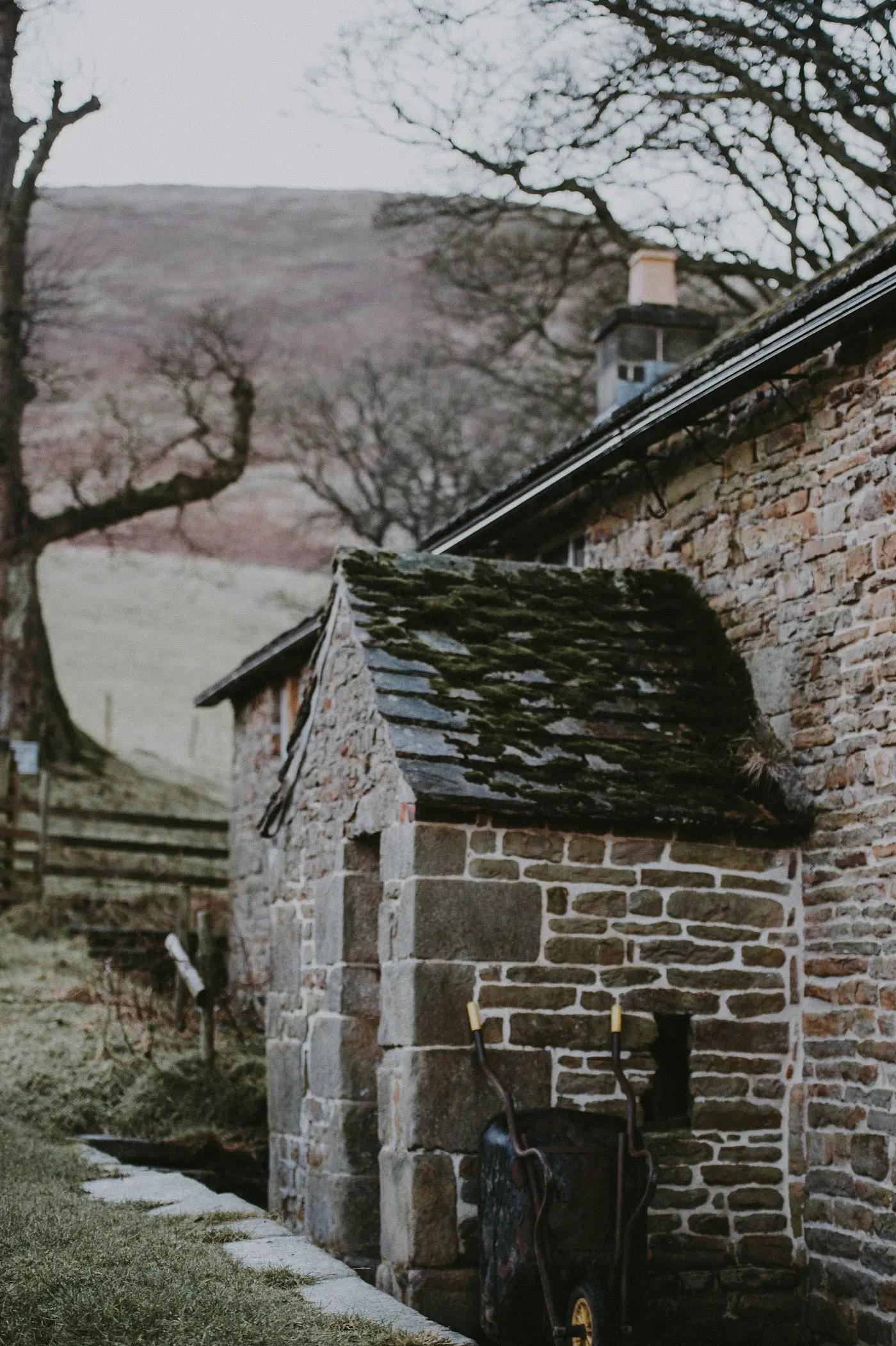
Denby Dale occupies the head of the upper Dearne Valley, on the Pennine edge between Huddersfield and Barnsley. The village is known across Yorkshire for the Denby Dale Pie tradition - a series of giant pies made to mark national events stretching back to 1788, and the bicentenary pie of 1988 is still spoken of locally with a mixture of civic pride and affectionate exaggeration. The gardens here, however, are less about celebration and more about geology. The village is split between two distinct soil types that create completely different growing conditions depending on which part of HD8 you live in, and the difference matters enormously when you are trying to find a gardener who can actually advise on what to do with your plot.
The two-zone geology and what it means for your garden
The valley floor of Denby Dale sits on Coal Measures geology - the same formation that runs through much of South and West Yorkshire's former mining country. This produces heavier, more moisture-retentive soil that behaves quite differently from the upper village. It holds water longer after rainfall, compacts under regular foot traffic, and can become waterlogged in a wet winter or spring. Lawns on Coal Measures clay can look reasonable in summer but turn soft, mossy, and difficult to manage through the wetter months. If your garden is on the valley floor and your lawn has bare, compacted patches with persistent moss, the Clay Measures soil is the most likely explanation. The clay soil gardening guide for Yorkshire explains how to work with this soil type rather than against it.
As you climb from the valley floor to the upper village and the ridge above, the geology transitions to Millstone Grit. The soil becomes thinner, more acid, and free-draining in a way that is the opposite of the valley-floor clay. Properties at the top of the village have completely different gardening challenges: summer drought stress in a dry year, acid conditions that require a different plant palette, and shallow topsoil that limits the rooting depth for established trees and large shrubs. A gardener who knows Denby Dale well will understand this transition without needing it explained and will give you advice calibrated to your specific zone rather than the village in general.
The pH difference between the two zones is significant. Valley-floor Coal Measures soils tend toward neutral to slightly acid, around 6.0 to 6.5. The Millstone Grit ridge gardens are more markedly acid, typically 5.5 or below. This is the pH at which rhododendrons and heathers thrive but traditional cottage-garden perennials that prefer neutral soil begin to show deficiencies. If you have moved from a lower-lying Yorkshire town and are puzzled about why your Denby Dale ridge border is behaving differently from your previous garden, the geology is where to start. A simple soil pH test - available from any garden centre - will confirm which zone you are in before you spend money on plants that may not suit the conditions.
What gets booked in Denby Dale gardens
Lawn maintenance is consistently the most booked service across both zones. From late April through October, fortnightly mowing, edging, and border care is the standard arrangement for most Denby Dale homeowners who are not managing their garden themselves. The valley-floor properties have heavier clay lawns that need annual aeration and overseeding to stay in good condition; the ridge properties have thinner, faster-draining lawns that can go stressed by midsummer without feeding. In both cases, a gardener who understands which zone your lawn is in will maintain it more effectively than one applying a one-size approach across the village. The garden maintenance service page explains what a regular contract typically covers.
Hedge trimming is the second most consistently booked job. Denby Dale has a mix of older beech and hawthorn hedges on the village-edge properties, established privet on the mid-century terraces, and leylandii on the post-war housing. A two-cut schedule - after nesting season in late May and again in August - is right for most hedges. Mature leylandii at height need proper equipment and someone confident working safely; ask specifically before booking if yours is above three metres. For cost context, the hedge trimming cost guide gives the West Yorkshire range, and the hedge trimming service page explains what a visit typically covers.
Spring tidies after the Pennine winter are consistently booked from mid-April onward. The transition from the valley floor's heavier clay to the ridge's thinner gritstone means the timing of a spring clearance varies slightly depending on your zone - the valley floor warms a little earlier and the ground firms sooner, so a late March or early April start is possible there, while ridge properties are often better suited to mid-April or later. The spring garden tidy guide covers what is included and when to book for the Pennine-edge calendar.
Garden clearances on larger or more established properties are a regular booking. Some of the larger HD8 properties have significant gardens with mature trees, extensive borders, and decades of established planting that need periodic clearing and resetting. A clearance on one of these properties can run to a day or more, and is typically the starting point for a transition to a regular maintenance arrangement. The garden clearance service page covers what this involves. Weed control is a subsequent priority on both soil types - different weeds predominate on the clay valley floor versus the acid gritstone ridge, and a gardener who knows both will treat them differently.
The transition zone: where the geology shifts
Some Denby Dale properties sit at the transition between the valley-floor Coal Measures and the upper Millstone Grit. These gardens can have distinctly mixed soil conditions within a single plot - heavier, moister conditions at the bottom of a sloping garden and thinner, faster-draining conditions toward the top. If this describes your garden, it is worth mentioning it explicitly when you first enquire. A gardener who knows the local geology will understand what you mean and adjust their approach; one who does not may treat the whole garden as one soil type and wonder why different parts behave inconsistently.
What it costs
Denby Dale rates reflect its position between multiple larger town catchments. Covered by gardeners from Huddersfield, Holmfirth, and Barnsley, the competition keeps HD8 rates broadly in the mid-range for the Pennine-edge postcode area. The UK gardener cost guide gives national context; the table below covers the Denby Dale HD8 range for 2026.
| Rate type | Denby Dale HD8, 2026 | Notes |
|---|---|---|
| Hourly rate (maintenance) | £26-£40/hr | Regular contracts at the lower end; one-off and ridge properties higher |
| Day rate (7-8 hrs) | £165-£250 | Clearances and larger garden projects |
| Fortnightly maintenance visit | £36-£58 per visit | Typical HD8 property on regular contract |
| Spring tidy (one-off) | £90-£250 | Depends on plot size and backlog; larger properties at the higher end |
| Hedge trimming | £50-£145 per visit | Mature leylandii at the top of the range; smaller privet lower |
| Lawn aeration and overseeding | £80-£195 | Clay lawns benefit from hollow-tine aeration; September timing for both zones |
| Garden clearance | £110-£360 | Larger established HD8 properties at the higher end |
For comparison across the HD8 area, the Holmfirth gardener guide covers the HD9 valley town and the Huddersfield guide gives the main HD context. The gardener hourly rate guide explains what drives rate differences across West Yorkshire towns.
How to find a gardener in Denby Dale
Denby Dale has good coverage from multiple directions, which means you are not dependent on a single narrow catchment the way more remote Pennine-edge villages are. The Denby Dale village Facebook group is an active community space and personal recommendations there come from people working the same HD8 soil conditions. Word of mouth on the village streets is reliable for the same reason - if your neighbour's garden is consistently well-maintained and they are in the same geological zone as you, their gardener is a strong first lead.
When you first contact any gardener, ask specifically which part of Denby Dale they cover and whether they are familiar with the two-zone soil conditions. A gardener who has worked both the valley-floor clay and the upper-village gritstone will give you fundamentally better advice than one treating the whole village as a single soil type. Confirm public liability insurance and a Waste Carrier's Licence as standard. The Denby Dale town page has local area detail for this HD8 community.
Frequently Asked Questions
What garden jobs are typical for Denby Dale properties?
Fortnightly lawn maintenance, hedge trimming, spring tidies, weed control, and lawn aeration and overseeding in September. Valley-floor properties may need clay management; ridge properties need acid-soil attention. See the garden maintenance service page.
What do gardeners charge in Denby Dale?
Rates run £26-£40 per hour for regular maintenance, with fortnightly visits at £36-£58. For full rate context see the UK gardener cost guide.
Is it easy to find a gardener in Denby Dale?
Better than the most remote Pennine-edge towns, covered from Huddersfield, Holmfirth, and Barnsley directions. The Denby Dale Facebook group is a reliable first step for vetted recommendations.
When should I book a gardener in Denby Dale?
Contact gardeners in February or March for an April start to regular maintenance. Spring tidies fill up quickly. Lawn renovation suits September timing at Pennine-edge elevation. See the Yorkshire lawn care guide for seasonal detail.
Related reading
- Gardeners in Holmfirth - the HD9 guide
- Gardeners in Huddersfield - the main HD guide
- Clay soil gardening in Yorkshire - what to do
- Yorkshire lawn care guide - what to do and when
- How much does a gardener cost in the UK? (2026)
- Denby Dale town page
Gardeners in other nearby HD8 and Pennine towns
We cover Denby Dale and the surrounding upper Dearne and Holme Valley area:
Get a quote for your Denby Dale garden.
60-second assessment. If a local HD8 gardener takes your enquiry, they call you with a price for your specific garden and job.
Start the assessment