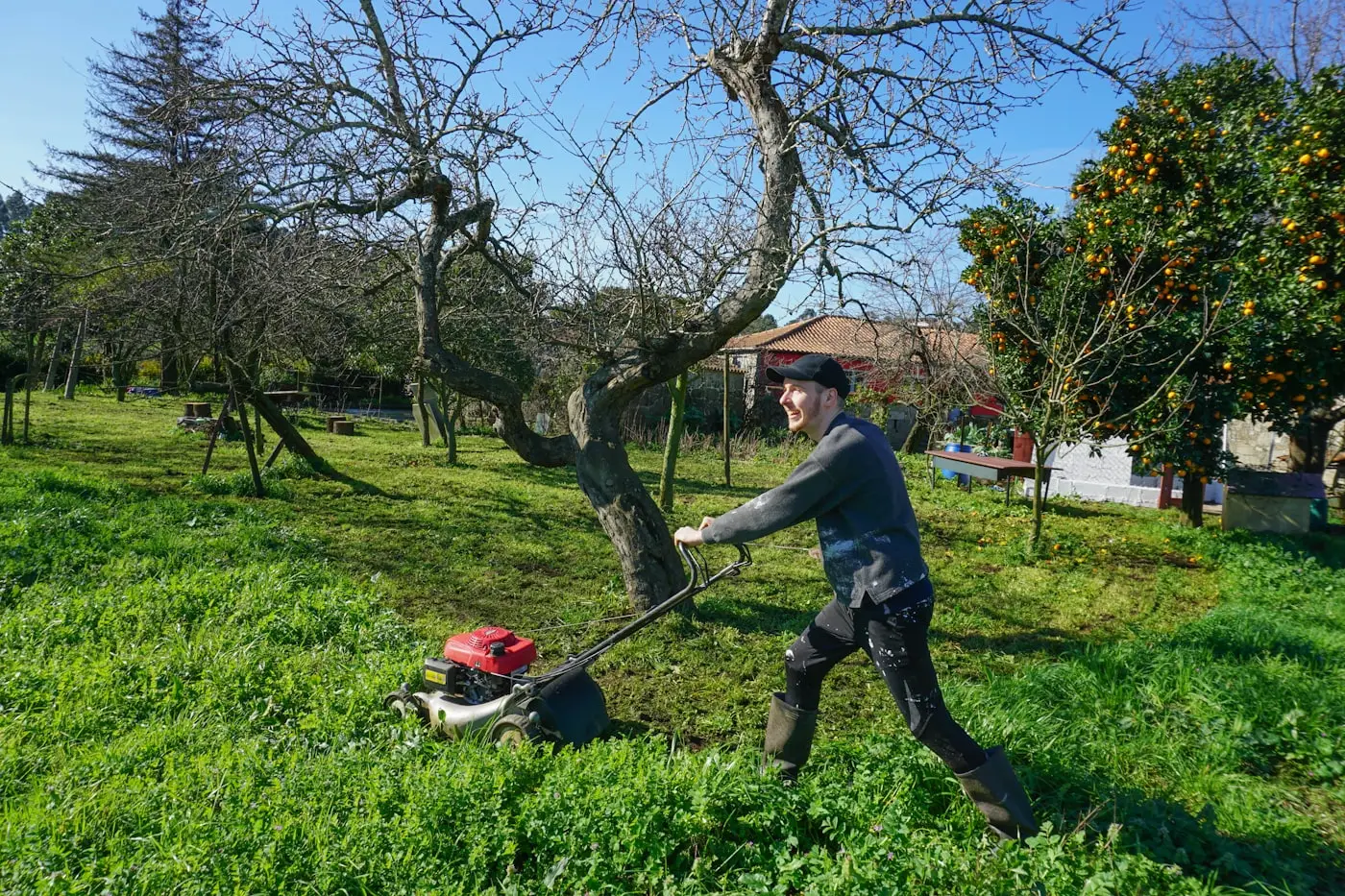
Sowerby Bridge occupies a dramatic position in the Calder valley, where the River Ryburn joins the Calder and the Rochdale Canal meets the Calder and Hebble Navigation. It is one of the most topographically extreme towns in West Yorkshire for garden work: the valley floor is flat and damp, the valley sides rise sharply, and the upper hillside properties have a completely different microclimate from the canal-side streets below. In some parts of HX6, you can walk from a shaded canal-side garden that barely dries out from October to April to a dry Millstone Grit hilltop plot that has panoramic views and soil that needs mulching in summer - within fifteen minutes on foot.
That topographic variety is what makes finding a good gardener in Sowerby Bridge more important than in a less varied town. A gardener who is well suited to the flat, wet canal-side plots around Wharf Street and Hollins Mill Lane will approach garden work differently from one who has spent their seasons on the upper Sowerby hillside or the more open Ryburn valley toward Ripponden. When you are looking for gardening help in HX6, the question is not just "are they any good?" but "have they worked gardens that are like mine?"
Gardening conditions in Sowerby Bridge
Sowerby Bridge splits into three distinct gardening zones, each with substantially different soil, drainage, and access conditions. Understanding which zone your garden sits in changes everything about what maintenance it needs.
The canal and riverside zone - the flat or near-flat ground along the Rochdale Canal, the Calder, and the Ryburn confluence - is characterised by alluvial clay and high moisture. Properties on Wharf Street, Hollins Mill Lane, and the streets immediately above the canal junction sit in a zone that receives morning mist rising off the water from October through to April, stays permanently damp at root level, and gets morning shade from the valley sides for much of the year. Lawns in this zone are almost universally moss-prone, because the combination of damp, shade, and wet soil creates ideal moss conditions regardless of what species of grass you have planted. Regular mowing makes very little difference to moss. What makes a difference is autumn scarification and aeration to open the soil surface, overseeding with a shade-tolerant and damp-tolerant grass mix, and accepting that this zone will need ongoing moss management as part of normal maintenance rather than as a one-off intervention.
The steep valley-side zone covers most of Sowerby Bridge's housing - the Victorian and Edwardian terraces that climb the valley walls from the canal level up toward the ridge. These are the most physically demanding gardens in HX6 to maintain. Many have what estate agents describe as "tiered" gardens, but which in practice means a series of steep drops or retaining walls with narrow strips of cultivated ground between them. Access can be challenging - narrow ginnels between terrace rows, gates that barely admit a wheelbarrow, steps between levels, and no easy way to move equipment from one part of the garden to another. A gardener who has not worked Sowerby Bridge terrace gardens before may genuinely underestimate how long a steep-plot maintenance visit takes compared to a flat suburban garden of the same stated square footage.
The upper Sowerby zone - the properties at the top of the ridge and on the hillside above the town - has a completely different character. Here the soil is Millstone Grit: stony, free-draining, acidic, and very different from the alluvial clay of the valley floor. Gardens in this zone dry out fast in summer, need feeding more than lower gardens, and have a windier, more exposed microclimate. The views from these properties are exceptional. The gardening challenges are the opposite of the canal-side: too dry rather than too wet, too exposed rather than too sheltered.
Steep gardens and what honest pricing looks like
Working a steep Sowerby Bridge garden takes significantly longer than working a flat garden of the same measured area. Moving equipment up and down between levels, working safely on gradients, and the extra physical effort of hillside cultivation all add time to every job. A gardener who has visited your garden and given a price that accounts for slope is giving you an honest quote. One who quotes a standard flat-garden rate without visiting is either guessing or has not thought about what your garden actually involves. For a steep plot, always insist on a site visit before agreeing a price.
Finding a gardener in Sowerby Bridge
Sowerby Bridge is served by gardeners who cover the Calderdale corridor - often the same gardeners who work in Halifax, Elland, Hebden Bridge, Todmorden, and Ripponden. That broad coverage is generally fine, but the steep-plot experience question is genuinely important here. Some excellent gardeners who cover Calderdale do most of their work on the more accessible properties and have limited experience with the extreme topography of Sowerby Bridge's terrace streets. Others have spent years working exactly these gardens and have both the equipment and the technique to manage them efficiently.
A neighbour's recommendation is particularly valuable in Sowerby Bridge because the topography varies so much. A recommendation from someone two streets away - at the same elevation, with the same aspect, the same approximate slope - tells you something directly relevant. A recommendation from someone in a very different part of town is useful but less applicable. For a fuller picture of how to evaluate any gardener you find, see the Yorkshire gardener vetting guide. For coverage of the broader Calderdale area, the Yorkshire gardeners near me guide covers the main approaches.
What garden work gets booked in Sowerby Bridge
Regular fortnightly garden maintenance from April to October forms the backbone of the local schedule. In Sowerby Bridge, fortnightly visits on steep terrace gardens typically take longer per square metre than on flat ground, and any gardener pricing these jobs accurately will account for that. The most common scope of a fortnightly visit covers lawn mowing, border edging, border weeding, path and step clearing, and light seasonal pruning.
Spring tidies are popular across HX6 from late March through May. On canal-side and lower valley properties, the spring job is dominated by moss management, clearing winter debris, and re-establishing lawn edges that have been softened by months of wet. On steep hillside properties, spring clearing involves cutting back any woody growth that has spread over winter and addressing the soil erosion that can occur on steep cultivated ground during heavy autumn and winter rain. See the Yorkshire spring garden tidy guide for a full picture of what a one-off spring reset typically covers.
Hedge trimming is consistently booked across Sowerby Bridge's terrace streets. The classic Calderdale terrace boundary is a hawthorn or privet hedge that has been growing for decades and needs two cuts a year to stay manageable. On steep plots, hedge trimming at height or on a slope adds additional access complexity. Any gardener who has worked Sowerby Bridge hedges will factor this in. For typical pricing, see the hedge trimming cost guide.
Garden clearance is a common job, particularly on the terrace gardens where access to remove green waste is difficult and properties occasionally change hands after years of minimal maintenance. Clearance on steep Sowerby Bridge plots is harder than almost anywhere else in Calderdale: carrying cut material down multiple levels, through narrow passages, to a vehicle on the street is slow work even with good equipment. Always request a fixed quote after an in-person site visit for any clearance job in HX6. See the garden clearance cost guide for current pricing benchmarks.
On the canal-side and lower valley gardens, lawn aeration and moss treatment are among the most regularly booked specialist services. The year-round damp conditions in these gardens mean that autumn aeration and scarification needs to be a consistent annual practice rather than a one-off fix. If you are on a canal-side property and your lawn has not been aerated in the last two to three years, the improvement from a single proper treatment cycle will be significant.
What it costs
Sowerby Bridge sits broadly within the Calderdale rate band, similar to Halifax and Elland. Steep-plot work attracts a time premium that a flat-garden visit at the same hourly rate would not. For the full regional comparison, see the Yorkshire gardener cost guide.
| Rate type | Sowerby Bridge HX6, 2026 | Notes |
|---|---|---|
| Hourly rate (maintenance) | £25-£33/hr | Regular contracts at the lower end; one-off visits higher |
| Day rate (7-8 hrs) | £125-£180 | Steep clearance work often occupies a full day even on medium plots |
| Fortnightly maintenance visit | £38-£72 per visit | Steep terrace gardens sit toward the upper end for time reasons |
| One-off lawn cut | £28-£60 | Canal-side flat gardens lower; multi-level hillside gardens higher |
| Spring tidy (one-off) | £90-£220 | Steep plots with multiple levels significantly more time than flat |
| Hedge trimming (standard domestic) | £42-£95 per visit | Steep-access hedges toward higher end; standard flat-access lower |
| Lawn aeration and scarification | £55-£140 | Autumn treatment; most relevant for canal-side and lower valley gardens |
| Garden clearance (medium plot) | £200-£500 | Steep site access adds significant time; fixed quote essential after visit |
The key pricing note for Sowerby Bridge is the steep-site premium. A gardener who visits your terrace plot in HX6 and gives you a quote that is meaningfully higher than the standard rate is almost certainly being honest rather than overcharging. Working on gradients is slower, harder on equipment, and physically more demanding than flat-site work. A quote that does not reflect this has either not been based on a site visit or has been calculated in a way that will create disagreement later.
What to look for when hiring
- Public liability insurance: Minimum £2m cover. Ask to see the certificate with insurer name, policy number, and expiry date. Working on steep ground makes insurance more important, not less.
- Waste Carrier's Licence: Required for removing green waste from your property. Essential for any clearance job. Ask for the licence number.
- Steep-site experience: Ask directly whether they have worked on terrace gardens in Sowerby Bridge or elsewhere in the Calder valley. How do they manage access? How do they transport material down multiple levels safely? These questions distinguish gardeners who have done it from those who have not.
- Canal-side damp conditions if relevant: For lower valley properties, ask specifically about their approach to persistent moss on high-moisture soils. A gardener who understands these conditions will discuss aeration and drainage as part of their standard approach, not as an upsell.
- In-person quotes for all jobs: In Sowerby Bridge, a site visit before quoting is not optional for anything larger than a standard fortnightly maintenance visit. The topography makes remote estimates genuinely unreliable.
- Written scope confirmation: Before any work starts, confirm in writing what is included - what is in each visit, what extras cost, and what notice is required for cancellation or changes.
Seasonal considerations for Sowerby Bridge gardens
The Yorkshire lawn care calendar applies across HX6 with some significant Sowerby Bridge-specific variations.
October to April is the most challenging period for canal-side and lower valley gardens. The combination of reduced daylight, persistent moisture from the canal and river, and valley-side shading means these gardens get very little help from nature through winter. Lawns in this zone are essentially in survival mode from November to March. The most productive window for intervention is September-October: aerate and scarify before the worst of the winter damp sets in, overseed with a moisture-tolerant mix, and clear borders before the heavy growth dies back and makes removal harder in spring.
For the upper Sowerby hillside properties, the seasonal challenge is almost inverted: dryness in summer, wind exposure year-round, and a shorter growing season because of the altitude. These gardens benefit from mulching in late February or early March to protect soil moisture through an unpredictable spring, and from a spring feed in March before growth accelerates. The wind exposure means plants can be damaged after hard winters in a way that lower valley gardens are not, and any winter-damaged growth needs cutting back in spring before it affects the rest of the plant.
Spring - March through May - is the busiest period for Sowerby Bridge gardeners. Book spring work in February if you can, particularly for steep-site clearance jobs where a limited number of gardeners have the experience and equipment to work safely and efficiently.
Frequently Asked Questions
How do I find a reliable gardener in Sowerby Bridge?
A neighbour's recommendation - particularly from a property at a similar elevation and with a similar aspect to yours - is the most reliable route. If you do not have that, a local introduction service connecting you to one local gardener covering HX6 is better than a national platform. When you make contact, ask about steep-site experience and whether they have worked on terrace gardens in Sowerby Bridge or elsewhere in Calderdale. Always insist on a site visit before agreeing a price.
How much does a gardener in Sowerby Bridge charge?
Typical rates in HX6 in 2026 run £25-£33 per hour for maintenance, with day rates of £175-£300. Fortnightly contract visits for a medium terrace garden are £38-£72, with steep-site plots at the upper end of that range. In-person quotes are essential - remote estimates on Sowerby Bridge's varied topography are not reliable. See the Yorkshire gardener cost guide for the regional context.
What should I look for in a Sowerby Bridge gardener?
Insurance and waste licence documentation first. Then genuine steep-site experience - ask specifically about their method for working on gradients, managing access through narrow passages, and transporting material down multiple levels. For lower valley properties, ask about their approach to year-round moss management on high-moisture soils. A gardener who can answer these questions specifically and practically has worked gardens like yours before.
What garden work gets booked most in Sowerby Bridge?
Regular fortnightly maintenance from April to October. Spring tidies across both the valley-bottom and hillside gardens. Hedge trimming twice yearly. Lawn aeration and moss treatment on canal-side and lower valley plots in autumn. Garden clearance on steep terrace plots is a significant part of the local schedule because overgrown hillside gardens are physically demanding to clear. See the Yorkshire lawn care calendar for the monthly picture.
Do gardeners in Sowerby Bridge take on one-off jobs or only regular contracts?
Most will take on one-off jobs. For steep-site clearance, always request a fixed price after a site visit - not an hourly estimate. Spring slots fill quickly; make contact in February if you want April or May work done. The Yorkshire garden maintenance contracts guide covers what to look for in an ongoing arrangement.
Related reading
- How much does a gardener cost in Yorkshire? (2026)
- How to find and vet a gardener in Yorkshire
- Yorkshire lawn care calendar - month by month
- Lawn scarification in Yorkshire
- Spring garden tidy in Yorkshire
- Garden clearance cost guide
- Hedge trimming cost guide
- Garden maintenance across Yorkshire
- Garden clearance across Yorkshire
Gardeners in other nearby areas
We cover the full West Yorkshire and wider Yorkshire area:
Get a quote for your Sowerby Bridge garden.
60-second assessment. If a local HX6 gardener takes your enquiry, they call you with a price for your specific garden and job.
Start the assessment