How to Lay Turf in Yorkshire
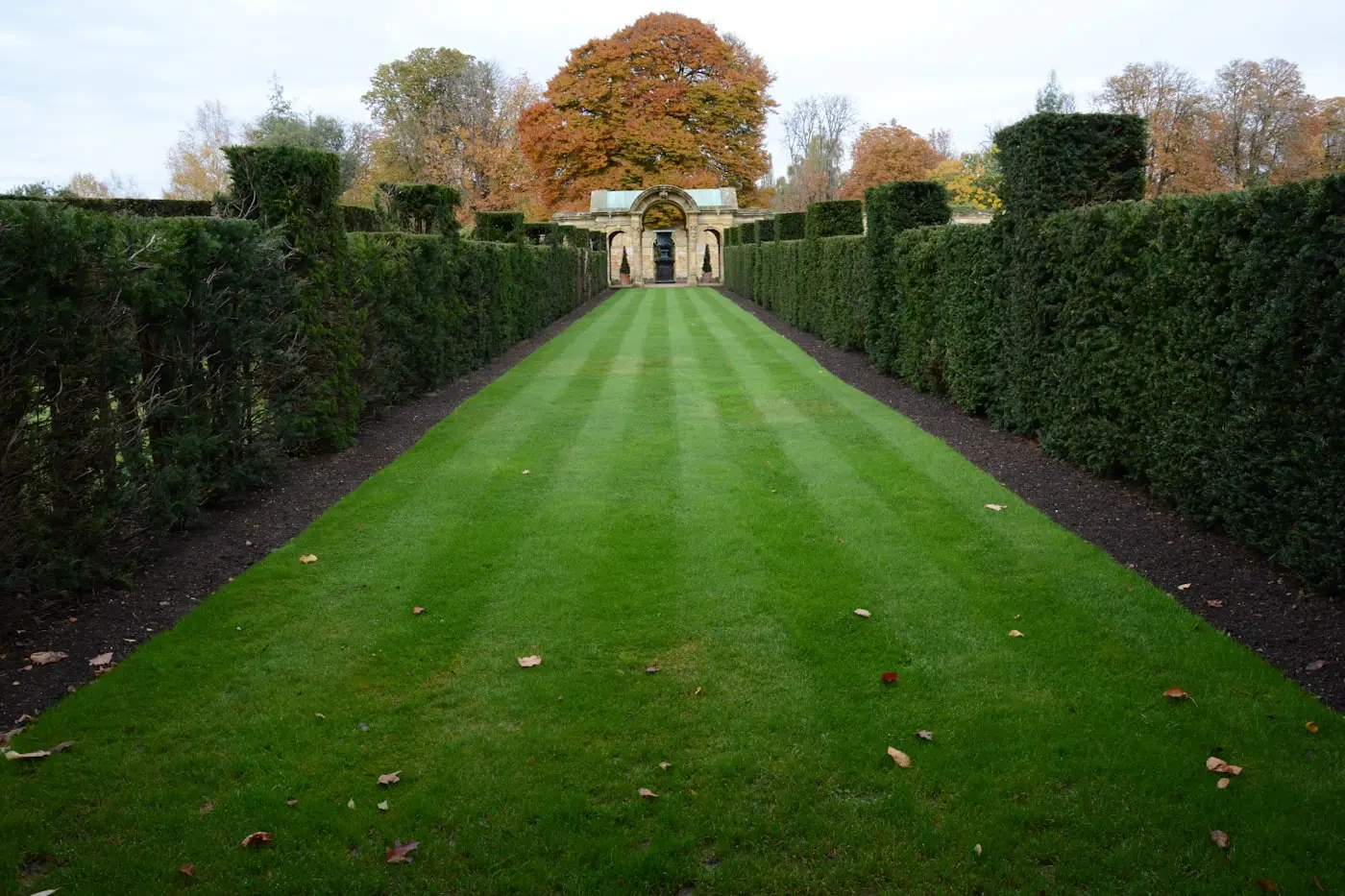
If you want to know what turfing costs, see our turfing cost guide. This page is the step-by-step - what actually goes into laying a new lawn, from ground prep through to aftercare, with Yorkshire conditions front and centre throughout.
Laying turf is one of the most satisfying garden jobs you can do yourself. It is also one of the most frequently bodged. The difference between a lawn that looks great after two years and one that is patchy and waterlogged within six months usually comes down to what happens before the first roll goes down. In Yorkshire, that means dealing honestly with the clay.
When to Lay Turf in Yorkshire
Timing is the first decision, and Yorkshire's climate gives you a fairly clear answer.
September to October is the ideal window. Temperatures are mild (typically 10-15C), the soil still has warmth from summer, and Yorkshire's autumn rainfall keeps new turf moist without you having to intervene much. Turf laid in this window has several months to establish roots before hard frosts arrive - and by spring it is looking like an established lawn rather than a new one.
March to April is a solid second choice. The soil is beginning to warm, turf suppliers have good stock, and you have the whole growing season ahead. The risk: a dry April in Yorkshire is not uncommon, and new turf in its first two weeks needs consistent moisture. Be ready to water daily if needed.
Avoid July and August. Yorkshire does get heat spells in summer - not reliably, but enough that establishing turf becomes a serious watering challenge. More practically, you are fighting with hosepipe ban risk in what tends to be the driest part of the year. New turf needs daily watering for its first two weeks. That is a lot of water and a lot of time. Wait for autumn.
Winter laying (November to February) is possible in mild spells but not recommended. Frozen ground makes preparation almost impossible, and turf can sit dormant on the surface rather than rooting. If your project cannot wait, choose a mild period in late November rather than January.
Choosing the Right Turf for Yorkshire
Not all turf is equal. The cheapest option at the local merchant is often a meadow-mix turf that looks fine on delivery and becomes a maintenance headache within a year - coarse grasses, poor density, and constant attention needed to stop it going to seed.
For most Yorkshire garden lawns, a standard ryegrass-fescue blend is the right starting point. Ryegrass gives durability and quick establishment; fescue gives finer texture and drought tolerance. Suppliers like Rolawn (available nationally, consistently good quality) produce this as their standard product.
If you want a specifically Yorkshire supplier, Lindum Turf is based near York and has been growing turf on the Vale of York since the 1960s. They maintain trial plots at their York site, testing varieties under Yorkshire conditions. Their turf is grown to order rather than cut from general stock, which generally means better root depth and less shock on delivery.
Consider a shade-tolerant mix if your lawn has areas under trees or a north-facing slope. Shade mixes use higher proportions of fescue and creeping red fescue, which tolerate lower light levels. Ryegrass-heavy turf will thin out and die in deep shade regardless of how well it is laid.
For gardens with children or heavy use, a hard-wearing sports turf blend uses tougher, more densely planted ryegrass varieties. It is coarser but will take a lot more traffic without wearing bare.
Preparing Yorkshire Clay Soil - the Most Important Step
This is where most DIY lawn projects succeed or fail. Yorkshire clay is heavy, compacts easily, and drains poorly. Lay turf straight onto unprepared clay and within two years you will have a waterlogged, spongy lawn that is difficult to mow and prone to moss.
Do not skip any of the following steps.
Step 1: Kill the weeds. Apply a glyphosate-based weedkiller to the whole area at least two weeks before you intend to start. Wait for the existing vegetation to die back completely - yellow and brown, not just wilted. Any live couch grass or bindweed root left in the soil will come back through your new turf within months. For a second application on stubborn patches, wait another week, spray again, and give it another week before digging.
Step 2: Rotovate to 20-25cm. Hire a rotovator rather than trying to dig clay by hand - it will save hours and produce a better result. On a clay site, go over the area twice in perpendicular directions to break up the structure fully. Remove any large stones, roots, and debris as you go.
Step 3: Add sharp grit. This is the step that makes the difference on Yorkshire clay. Spread at least 5cm of sharp horticultural grit (not builders' sand - sharp grit) across the whole area and rake it thoroughly into the top 10-15cm of soil. This permanently improves the drainage structure of the clay. It will not look like much, but it changes how water moves through the soil beneath your lawn for the lifetime of the turf. Do not skip this step.
Step 4: Level and firm. Rake the surface to a consistent level. The target is 15-20mm below any adjacent hard surfaces (paths, patios, edging) so that when the turf goes down it sits flush rather than humping above the edge. Once level, firm the entire area with a roller or by treading systematically - small shuffling steps covering every part of the surface. You are looking for a firm, consistent surface with no soft spots. After treading, rake lightly once more to lift the surface ready for laying.
Ordering and Timing Your Turf Delivery
Order turf to arrive 1-2 days before you intend to lay it. Not a week before - turf starts to deteriorate once cut, especially in warm weather. The rolls will yellow and the grass will weaken within 48-72 hours of being stacked.
Each roll of turf covers approximately 1 square metre and weighs around 25kg. For a 50 sqm lawn that is 50 rolls, each at 25kg - delivery to a driveway is one thing, but moving them around the garden is real physical work. Plan your delivery point and stack location to minimise how far you are carrying them.
Add 5-10% to your measured area when ordering to allow for cuts and waste at edges.
Laying the Turf - Step by Step
Have everything ready before the turf arrives: the ground should be fully prepared, you should have a plank to work from, and a half-moon edger or sharp spade for cutting.
- Start from a straight edge. A fence line, path edge, or string line makes a clean starting point. Lay the first row along this edge, butting each roll firmly against the next with no gaps.
- Stagger the joints. Each subsequent row should be offset by half a roll width, like brickwork. This prevents long seams running across the lawn which look bad and are prone to drying out.
- Butt rolls tightly. Push each roll firmly against its neighbour as you lay it. Leave no gaps - they will not close up on their own and will either dry out or become trip hazards.
- Work from a plank. Once a row is laid, place a plank on it and work from the plank as you lay the next row. Never walk directly on freshly laid turf - it compresses the soil beneath and can shift the rolls out of position.
- Cut edges last. Lay whole rolls first, then cut to fit at edges using a half-moon edger or sharp spade. Press cut pieces firmly into place. Never leave thin strips (less than half a roll width) at the edge - they dry out and die. If your last piece would be thin, shift your starting row to avoid this.
- Roll or firm the whole lawn. Once all turf is laid, go over it with a roller or tread systematically to ensure good contact between the turf roots and the prepared soil beneath. Air gaps here cause yellowing and poor rooting.
Aftercare in Yorkshire's Climate
The next six weeks determine whether you get a proper lawn or a collection of yellowing strips.
Water immediately after laying - the whole area, slowly, until the soil beneath is wet (not just the turf surface). Then water daily for the first two weeks, preferably early morning. In Yorkshire's autumn (the ideal turf season), rainfall may handle some of this for you, but check the forecast and supplement whenever a dry spell runs more than two days.
Stay off the turf for the first 2-3 weeks. Test readiness by gently trying to lift a corner of a roll - if it resists (the roots have grabbed into the soil), you can begin using it lightly. If it peels up easily, wait longer.
First mow: set the blade high - 40-50mm - and make sure the mower is sharp rather than tearing the grass. Cut when the turf has reached about 60mm height. For ongoing regular cuts once established, see our lawn mowing service. For an autumn-laid lawn in Yorkshire this might not happen until the following spring. Lower the blade height gradually over four to six subsequent cuts until you reach your preferred height.
Common Problems and Fixes
Gaps appearing between rolls. This happens in warm weather when turf shrinks slightly as it dries. Fill gaps promptly with a sandy topsoil or sharp-sand/topsoil mix, brushed into the gap and watered in. Left unfilled, gaps become permanent and weeds establish in them.
Yellow patches. In Yorkshire's wet springs, fusarium patch (a fungal disease) can cause circular yellow-brown patches. Keep mowing at the right height and avoid overwatering. Dog urine causes similar yellow circles with a greener ring around them - flush with water immediately after you notice.
Edges lifting or curling. Usually caused by insufficient firming at the edge when laying. Re-cut the edge with a half-moon edger, push the turf firmly down, and tread along the edge. In dry weather, this is harder - water the edge first to make the soil workable.
For more on ongoing lawn care once your turf is established, see our guides on when to cut grass in Yorkshire and lawn scarification in Yorkshire. If you are still weighing up whether to turf or seed, the lawn seeding guide covers that comparison honestly. And if you are dealing with heavy clay across the rest of your garden, not just the lawn, see the clay soil guide for a broader approach. Our garden maintenance service covers ongoing lawn care once you are established.
When is the best time to lay turf in Yorkshire?
September to October is the best window. Mild temperatures and reliable autumn moisture help turf establish roots before the first frost. March to April is the second-best option. Avoid July and August - Yorkshire heat spells stress new turf and you risk needing to water heavily during hosepipe-ban season.
How do I prepare Yorkshire clay soil for turf?
Remove all weeds first (glyphosate two weeks before works well, wait for full die-back). Rotovate to 20-25cm depth. Incorporate at least 5cm of sharp grit raked through to improve drainage - this is the step most people skip on Yorkshire clay and it causes problems later. Rake to 15-20mm below hard surfaces so the turf sits flush once laid, then firm the whole area with a roller or systematic treading.
How long before I can walk on new turf in Yorkshire?
Wait at least 2-3 weeks before walking on new turf, and longer before any regular use. The turf is ready when you can't easily pull it up at a corner - roots have knitted into the soil below. In autumn (the ideal Yorkshire turf season), cooler temperatures slow establishment slightly compared with spring, so err on the side of waiting longer.
Need help with your Yorkshire garden?
60-second assessment. If a local gardener takes your enquiry, they call you with a price.
Start the assessmentHow much does turf laying cost in Yorkshire?
Professionally installed turf typically costs £12-20 per square metre in Yorkshire, including preparation and laying. The turf itself (from a supplier like Rolawn or Lindum) runs around £4-7 per square metre. DIY saves on labour but ground prep is the hard part - a rotovator hire plus grit and tools adds up. See our full turfing cost guide for a breakdown.