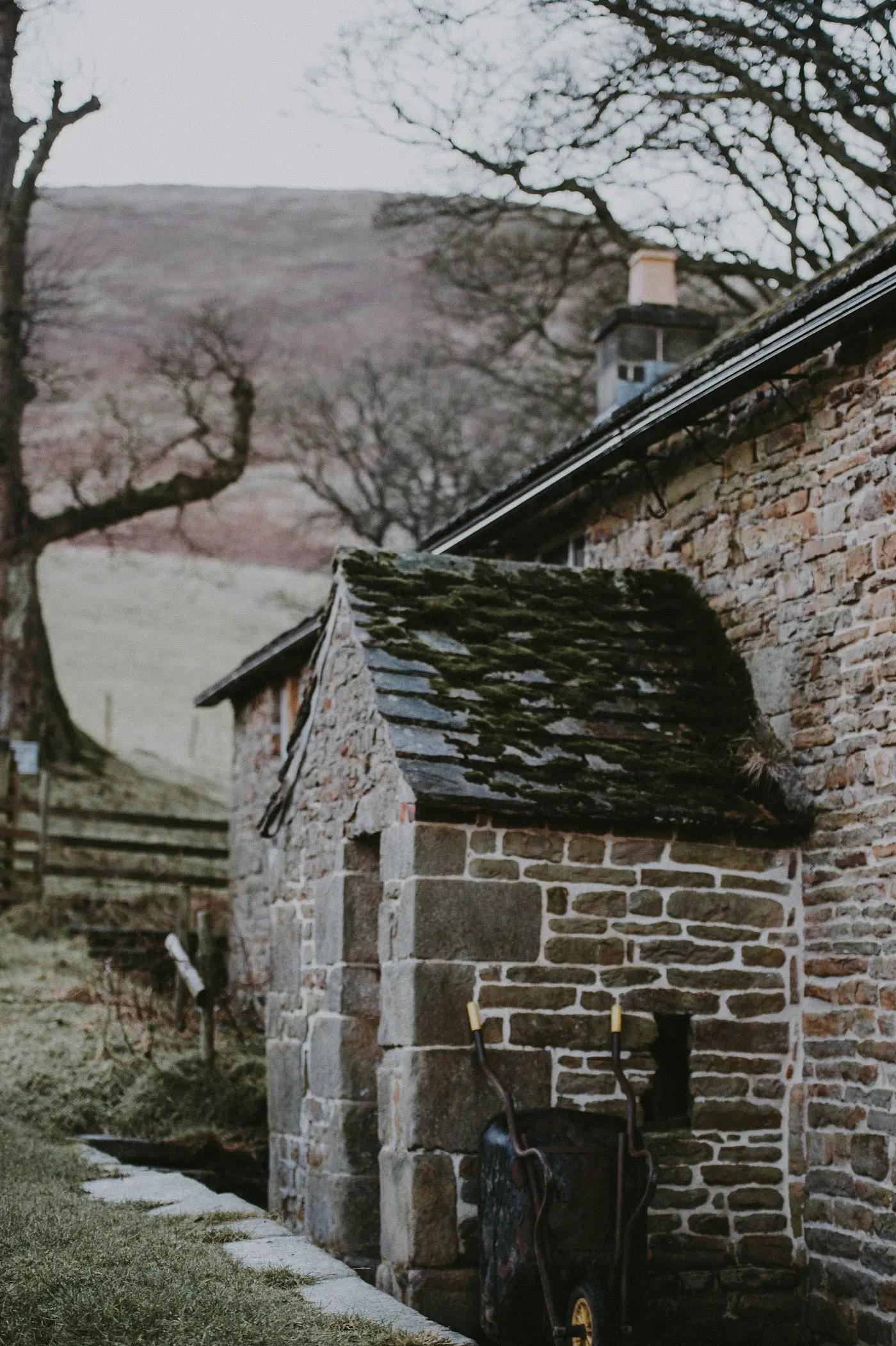
Pontefract is one of the few towns in the former West Yorkshire coalfield belt where the garden conditions are genuinely different from the coal-measures clay that characterises most of the surrounding area. The limestone ridge that the town sits on - the same ridge that made it a strategic fortification in the medieval period and a centre for liquorice cultivation centuries later - gives WF8 gardens a drainage and pH character that is distinctly different from Castleford or Featherstone on the lower ground. If your garden is on the limestone ridge proper, you likely have soil that drains better, warms earlier in spring, and supports a wider range of plants than your neighbours in the valley towns might expect from West Yorkshire soil. That is the good news. The complication is that the same limestone-alkaline character that makes the soil so productive for many plants makes it poorly suited to acid-loving plants that thrive in the coal-measures clay nearby.
This guide is for Pontefract homeowners in WF8: people who want to understand what their specific soil means for their garden, what the right work involves, what it costs in 2026, and how to find a gardener with genuine local knowledge of the limestone ridge conditions rather than someone whose experience is entirely on the heavier clay soils of the valley.
What Kind of Gardens Are in Pontefract?
Pontefract's housing spans a wide range of eras and character. The Georgian town centre, with its substantial stone-built properties, walled gardens, and some of the most historically significant domestic plots in the WF8 postcode, represents the oldest layer. These properties often have gardens that carry genuine heritage: walled kitchen gardens on the larger plots, trained fruit trees on south-facing walls, and planting schemes that have been established and developed over many decades. Maintaining and working within an established garden of this type requires a different approach from establishing a garden from scratch - the knowledge of what is there, what was deliberately chosen, and what has self-seeded needs to inform every decision.
The Victorian terraces in the inner town streets have smaller gardens, but even these benefit from the limestone ridge's drainage advantage over comparable streets in the valley. A Victorian terrace yard in Pontefract is typically less prone to the persistent waterlogging that affects the same housing type in Castleford or Dewsbury. The soil is still heavy and clay-influenced in many positions - the limestone ridge does not extend uniformly across the whole WF8 postcode, and the edges dip down towards the coal measures - but the characteristic drainage improvement of the ridge is real and measurable in practice.
The larger detached and semi-detached properties on the limestone-ridge suburbs to the south and west of the town centre represent the main residential garden zone. These properties often have sizeable gardens with established lawns, mature shrubs and hedges, and the space to do genuine horticulture rather than just tidy maintenance. The better-draining limestone soil means lawn moss problems are less severe here than in the coal-measures towns below, though they are not absent - any lawn without proper annual management will gradually accumulate moss regardless of soil type.
Pontefract's liquorice-growing history is not just a tourist curiosity - it represents a long tradition of intensive productive horticulture on this specific soil, and that legacy is visible in the town's relationship with its gardens. The deep-rooted cultivation that liquorice required - roots reaching a metre or more into the ground - was possible precisely because the limestone ridge soil is well-structured enough to allow deep root penetration in a way that the compacted coal-measures clay below the ridge does not. That same capacity for deep rooting makes the ridge soil genuinely productive for food growing in a way that is not always appreciated by homeowners who have only ever worked in heavier soils elsewhere.
The Rhubarb Triangle connection
Pontefract sits on the eastern edge of the Wakefield area's famous Rhubarb Triangle - the zone between Wakefield, Morley, and Rothwell that was once the world's most productive forced rhubarb area. The forcing tradition used the Wakefield clay soils for outdoor growing before moving the crowns indoors in winter for forcing. Pontefract's limestone ridge was outside the clay-heavy rhubarb zone, but the wider culture of productive horticulture in this part of West Yorkshire created a community of gardeners who understood soil, nutrition, and timing in a way that is still visible in the allotment traditions across the WF8 area.
What Gardeners Do in Pontefract
The work that gets booked in WF8 reflects the mix of property types and the better-than-average soil conditions of the limestone ridge. Here is what actually gets requested most often.
Regular garden maintenance across the season is the foundation for most arrangements in Pontefract. The limestone ridge's better drainage means grass grows earlier in spring than in the coal-measures valley towns, and the growing season on south-facing ridge properties can feel notably longer than what you would experience just a few miles away. Fortnightly grass cutting from April through to mid-October, combined with edge trimming, border weeding, and seasonal tidying, is the standard for most medium-sized Pontefract gardens. Garden maintenance on a contract basis is more economical than intermittent bookings and produces a more consistently well-presented garden through the season.
Hedge trimming is significant in Pontefract, where many larger properties have established beech, yew, or hawthorn boundaries that require annual or biannual trimming. Yew hedges in particular are common on older WF8 properties - they establish well on the limestone ridge soil and, once mature, provide dense, formal boundaries. Hedge trimming on established yew requires care and the right timing - late summer, after the main flush of growth, is generally correct, and the material removed needs to be disposed of correctly as yew is toxic. Hedge trimming near me in Yorkshire covers what to look for in a gardener for this type of work.
Border and planting work on the limestone ridge is a particular area where Pontefract gardeners benefit from local knowledge. The higher pH of the limestone-influenced soil means that plant selection matters here in a way it does not on neutral or acid soils. Mediterranean herbs and most traditional cottage garden perennials perform beautifully. Acid-loving plants fail without significant amendment. A gardener who tests your soil pH before recommending a planting scheme is approaching the job correctly; one who plants whatever is fashionable without checking the soil chemistry is wasting your money. Borders and planting on the limestone ridge can be remarkably productive and visually rewarding when the plant selection matches the soil.
Garden clearance on Pontefract's limestone ridge is generally less physically demanding than on the coal-measures clay of the valley, because root systems are easier to extract from well-structured, freely draining soil. However, older walled gardens and established property grounds on the Georgian streets can have root systems of considerable age and extent, and clearance of these plots requires care to avoid damage to structures and to identify what is deliberately planted versus what has self-seeded. Garden clearance on a heritage property always benefits from an in-person assessment before quoting. See the garden clearance near me Yorkshire guide for what to expect from this process.
Lawn renovation is less frequently the primary need in Pontefract than in the coal-measures valley towns, but it is not unnecessary. Even on the limestone ridge, lawns that are not aerated and scarified annually will gradually accumulate moss and thatch. The better drainage of the limestone soil does reduce the severity of the moss problem compared to Castleford or Dewsbury, but the coal-measures-influenced edges of the WF8 postcode are not immune. A lawn that has not been properly treated for several seasons will need a proper renovation programme - aeration, scarification, overseeding - before it performs well again. A targeted moss treatment in autumn before renovation gives the best results on the more coal-measures-influenced WF8 plots. The lawn care Yorkshire guide covers the full seasonal management programme.
Productive garden development - vegetable beds, fruit trees, soft fruit areas - is a specific category of work that comes up more often in Pontefract than in most comparable West Yorkshire towns. The limestone ridge soil's deep-rooting character and good drainage make it excellent for productive growing, and the town's historic association with cultivated plants (the liquorice tradition, the allotment culture of the area) means a higher proportion of WF8 households have some interest in growing food than in comparable postcodes. A gardener with productive gardening knowledge - pruning of fruit trees, crop rotation planning, soft fruit management - is a valuable resource in this area.
How Much Does a Gardener Cost in Pontefract?
Pontefract rates are broadly in line with the West Yorkshire suburban band. The limestone ridge soil's better character means some jobs are slightly less labour-intensive than in the clay valley towns below - lawn renovation on free-draining soil is quicker than on compacted clay - which can be reflected in some pricing. For broader context, see the how much does a gardener cost guide.
| Rate type | Pontefract (WF8), 2026 | Notes |
|---|---|---|
| Hourly rate (maintenance) | £25-£40/hr | Contract rates at lower end; one-off visits higher |
| Day rate (7-8 hrs) | £150-£200 | Full working day for clearance or renovation |
| Fortnightly maintenance visit | £40-£70 per visit | Medium garden; includes lawn, borders, edges |
| Lawn renovation (aeration, scarification, overseed) | £120-£250 | Limestone ridge soil easier to work than valley clay |
| Hedge trimming (standard domestic) | £50-£110 per visit | Yew and large established hedges at the higher end |
| Garden clearance (medium plot) | £200-£400 | Heritage walled gardens or heavily overgrown: £400-£700 |
| Productive garden development | £200-£600+ | Raised beds, fruit tree installation, soft fruit areas; assess before quoting |
The productive garden development category is worth noting because it represents work that is both common in Pontefract and often underpriced when it is quoted at a flat rate without understanding the scope. Installing raised vegetable beds with good-quality topsoil and compost, planting and staking fruit trees, and setting up a soft fruit area properly are all jobs that take more time and more material than they appear to, and a fixed quote after discussion of the scope is always more reliable than an hourly rate estimate.
Finding a Reliable Gardener in Pontefract
Pontefract is a town with an active gardening culture, which means there are gardeners covering WF8 who genuinely understand the limestone ridge soil and the specific requirements of the area's older properties. The quality range is significant, though - from skilled, knowledgeable sole traders who have worked this specific soil for years, to general garden maintenance people who mow lawns and not much else.
Personal recommendation in Pontefract's community carries real weight. The town is large enough to have a choice of gardeners, but small enough that word-of-mouth about quality travels. If your neighbour's garden consistently looks well-maintained, finding out who they use is worth the conversation. A local introduction service that has verified credentials and experience specifically for WF8 is the next best option for those without a local contact.
Questions worth asking before committing:
- Can you show me your public liability insurance certificate?
- Do you hold a Waste Carrier's Licence?
- Have you worked with the limestone-ridge soil in WF8, and are you aware of the pH difference from the coal-measures valley soil below?
- If I have an established older garden with heritage plantings, how would you approach the assessment before starting work?
- For a clearance or renovation, do you visit and assess before quoting?
- Do you have experience with productive growing - fruit trees, vegetable beds - as well as ornamental maintenance?
The garden maintenance near me Yorkshire guide covers the general principles of finding and vetting a good local gardener.
Seasonal Guide for Pontefract Gardens
The limestone ridge's better drainage and the slightly more sheltered character of many WF8 gardens creates a seasonal rhythm that is marginally earlier than the coal-measures valley towns below. Growth starts sooner, the soil warms faster in spring, and the autumn growing season extends slightly longer on the ridge. These are not dramatic differences, but they are real, and a gardener who knows the area will time their work accordingly.
Spring (March to May)
Pontefract's limestone ridge soil is workable earlier in spring than the coal-measures clay below. March is realistic for border tidying, structural pruning, and early planting of hardy material - conditions that would still be too wet and cold for productive work in the valley. The soil temperature on a south-facing ridge garden in March can be three to four degrees higher than in the valley below on the same day, which is a meaningful difference for seed germination and root activity.
April brings the first proper mowing of the season on most WF8 lawns, typically a week to ten days before the coal-measures valley gardens below need their first cut. This is also the time for overwintered vegetable bed preparation, early sowings of cold-tolerant vegetables, and any border replanting that was deferred from autumn. The limestone soil's drainage means you can work on it after rainfall much sooner than you could on heavy clay - it does not smear and compact in the same way when wet.
May is the main spring month for planting and establishment. The warm, well-drained limestone soil gives bedding plants and tender perennials a better start than they get in heavier soils. Late May plantings establish quickly and often look well-established by June in a warm year. Border perennials that were planted in autumn will be showing strong spring growth, and any gaps in established plantings should be filled before summer growth makes access difficult.
Summer (June to August)
Summer on the limestone ridge in Pontefract has one specific challenge that the coal-measures valley towns below do not: drought stress in extended dry spells. The free-draining limestone soil, which is so advantageous for most of the year, means the garden can dry out in prolonged dry periods faster than heavier clay soils. Lawns on the ridge can show drought browning in a dry July that clay-soil lawns nearby do not. Mulching borders in late May - a thick layer of compost or bark at least 5cm deep - significantly reduces moisture loss and keeps plant roots in better condition through dry spells.
Hedge trimming for most Pontefract boundaries is best done in late July or August. Yew hedges specifically should not be cut too early - they flush with new growth in April and May, and this should harden off before trimming. A late August trim on yew gives the hedge time to recover and put on a small amount of hardening growth before winter. Beech and hornbeam can be trimmed in late June or July.
Autumn (September to November)
Autumn is the productive planning season in Pontefract gardens. September is the right month for lawn renovation - aeration and overseeding on the limestone ridge soil works well at this point, with soil temperature still warm enough to support new grass establishment before growth slows. Border planting of perennials and shrubs in October establishes root systems through winter for strong spring growth. Bulb planting through October into the free-draining limestone soil is very effective - tulip, allium, narcissus, and crocus all establish quickly in well-drained soil and tend to perform better year after year than the same bulbs in heavy clay.
October and November are the months for planting and moving trees and shrubs on the limestone ridge. The season extends slightly later here than in the valley towns because the soil stays workable longer. Fruit tree planting in October and November is traditional and effective - trees establish root systems through the cool, wet winter months and are ready to put on strong growth in the spring following planting.
Winter (December to February)
Pontefract limestone ridge gardens drain well through winter and rarely suffer the persistent waterlogging that affects the valley-floor clay gardens. The soil stays workable on milder winter days in a way that clay gardens do not, which means structural work - path laying, wall repair, bed edging, raised bed construction - can happen through winter here more readily than in the valley below. February is the time to make the season's gardening bookings. Gardeners covering WF8 fill their rounds from late winter, and making contact in February ensures access to the best available capacity for spring.
Common Garden Problems in Pontefract
Alkalinity and acid-loving plant failure
This is Pontefract's most distinctive garden problem, and it catches homeowners who have moved from areas with neutral or acid soil. On the limestone ridge proper, the soil pH can be 7.0 or above - at this level, acid-loving plants such as rhododendrons, azaleas, camellias, blueberries, and pieris show characteristic yellowing of the leaves between the veins (chlorosis), weak growth, and gradual decline. The yellowing is not a nutrient deficiency - it is iron deficiency caused by the high pH locking iron into the soil in a form the plant cannot absorb. Treating it with iron supplement addresses the symptoms but not the cause. The genuine solutions are: plant in containers of ericaceous compost if you want acid-loving plants; or accept the soil pH and work with the wide range of plants that thrive in neutral to slightly alkaline conditions. A gardener who diagnoses yellowing camellias and recommends a soil pH test before advising further is giving you the right answer.
Summer drought stress
The limestone ridge's excellent drainage becomes a limiting factor in extended dry spells. Lawns brown earlier and more severely than on neighbouring clay soils; borders need more supplemental watering; and newly planted trees and shrubs are particularly vulnerable in their first summer on free-draining limestone. Mitigations: deep mulching in May to conserve moisture; choosing drought-tolerant plant varieties (lavender, sedum, achillea, agapanthus, and most Mediterranean herbs) as the backbone of borders; and recognising that a Pontefract lawn browning in a dry July is dormant rather than dead - it will green up immediately when rain returns.
Thin topsoil over limestone
On the highest parts of the ridge, the topsoil layer above the limestone bedrock can be quite thin - sometimes as little as 20-30cm. This limits what you can plant - deep-rooted trees and shrubs will hit the bedrock and circle their roots rather than going deeper, eventually becoming unstable. It also means the soil dries out faster in drought because there is less water-holding capacity. Raised beds with imported soil over the thin natural topsoil are a practical solution for any deeper-rooting plants you want in these positions, and they tie in well with Pontefract's productive gardening tradition.
Frequently Asked Questions
How do I find a reliable gardener in Pontefract?
Personal recommendation is strongest. A local introduction service covering WF8 specifically is the next best option. Ask about experience with limestone-ridge soil conditions and familiarity with older established gardens in the WF8 postcode. See the garden maintenance near me Yorkshire guide for vetting principles.
How much does a gardener in Pontefract charge?
Hourly rates run £25-£40 for garden maintenance in 2026. Fortnightly visits for a medium garden are £40-£70. Lawn renovation runs £120-£250 on the limestone ridge. Hedge trimming runs £50-£110. See the garden maintenance prices Yorkshire guide for full context.
What soil do Pontefract gardens have?
Limestone-influenced soil on the ridge proper - better-draining, naturally higher pH (often 6.5-7.5), warmer in spring, more productive for most traditional British garden plants. Coal-measures clay influence increases towards the edges of the WF8 postcode where it dips down towards the valley. The difference between the two matters for plant selection and lawn care approach.
Can I grow a vegetable garden in Pontefract?
Yes - the limestone ridge soil is excellent for productive growing. Root vegetables perform particularly well. The town's long history of deep-rooted cultivation and its position near the Rhubarb Triangle cultural zone means food growing has genuine local roots. A raised bed or productive border established on the ridge with good-quality compost incorporated into the naturally well-drained soil will produce well.
What plants work well in Pontefract gardens?
Mediterranean herbs (lavender, rosemary, thyme), cottage perennials (hardy geraniums, achillea, echinops, sedum), most traditional British bulbs, and most fruit trees. Acid-loving plants (rhododendrons, camellias, azaleas, blueberries) need ericaceous containers or significant soil amendment to overcome the naturally alkaline character of the limestone ridge.
Can I get a garden clearance in Pontefract?
Yes. Garden clearance runs £200-£400 for a standard medium garden. Heritage walled gardens or heavily overgrown older properties run £400-£700 depending on scope and access. Always get an in-person assessment and fixed quote for larger clearances.
Do Pontefract gardeners cover Featherstone and Knottingley?
Most gardeners covering WF8 also work in Featherstone, Knottingley, and neighbouring postcodes. Featherstone sits on transitional soil between the limestone ridge and the coal measures - give your postcode when enquiring so soil character and coverage can be confirmed.
Related reading
- How much does a gardener cost in the UK? (2026 prices)
- Garden maintenance prices in Yorkshire
- Garden clearance near me - Yorkshire
- Hedge trimming near me - Yorkshire
- Garden maintenance near me - Yorkshire
- Garden maintenance across Yorkshire
- Borders and planting services
- Hedge trimming across Yorkshire
Gardeners in other nearby areas
We cover West Yorkshire and beyond:
For structural landscaping or a full redesign, see our garden design Pontefract page.
What makes Pontefract gardens different from the valley towns around it?
The limestone ridge position is the key difference. Better drainage means less moss in lawns, less surface waterlogging, and a wider range of plants that will thrive. The higher natural soil pH means acid-loving plants are a poor choice without amendment, but Mediterranean herbs, cottage perennials, and most traditional British garden plants perform better than in the coal-measures clay below. The town's long gardening heritage - from liquorice cultivation to the walled gardens of the Georgian properties - means there is a local tradition of attentive, productive horticulture that is visible in the established character of many Pontefract gardens.
Get a quote for your Pontefract garden.
60-second assessment. If a local gardener takes your enquiry, they call you with a price for your specific garden and job.
Start the assessment